
Brand: MacTech

Future idevices could received ‘pushed’ info based on your location

Future iPhones and iPods may be able to receive “pushed” info to you based on what location you’re at. Unfortunately, the pushed info could include ads.

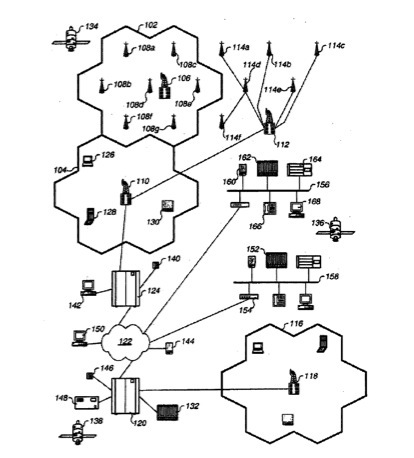
An Apple patent (number 20100207782) for a system and method for situational location relevant invocable speed reference has appeared at the US Patent & Trademark Office. It involves a system for pushing situational location dependent content to data processing system devices traveling to locations for, or in directions of, that place which delivery content is designated as deliverable.

Read More
Deafness increase linked to overloud music on devices like the iPod

Researchers at Brigham and Women’s Hospital (BWH) in Boston have found that hearing loss in adolescents has increased dramatically over the past 15 years, and suggest that music and devices such as the iPod may be the reason, reports “TG Daily” (http://macosg.me/2/qq).

“Some risk factors, such as loud sound exposure from listening to music, may be of particular importance to adolescents,” say the authors.

Read More

Report blames WebKit for Safari, Chrome flaws

Cenzic’s web application security report for the first half of the year blames WebKit problems and phone software bugs for Safari and Chrome flaws. WebKit is a layout engine designed to allow web browsers to render web pages.

WebKit provides a set of classes to display web content in windows, and implements browser features. It was originally created as a fork of KHTML as the layout engine for Apple’s Safari, but is now portable to many other computing platforms and is used in Google’s Chrome Browser.

Read More

Worldwide microprocessor unit shipments, revenues rise

Worldwide computer microprocessor unit shipments and revenues in the second calendar quarter of 2010 (2Q10) increased 3.6% and 6.2%, respectively, compared to the first quarter of 2010, according to the latest PC processor study from International Data Corporation (IDC).

The average sequential change in unit shipments between a calendar year’s first quarter and its second quarter is an increase of 1.6%. For revenues, the average sequential change is a decrease of -2.8%. So, these increases represent better performance than usual for a second calendar quarter.

Read More