
New Omdia research shows that U.S. personal computer (PC) shipments (excluding tablets) grew 1.0% year-over-year (YoY) in the second quarter of 2026 to 18.8 million units, returning to growth following a 7.0% decline in the first quarter of the year.
However, it’s great news for the Mac.
Apple outpaces U.S. PC market in 2Q26
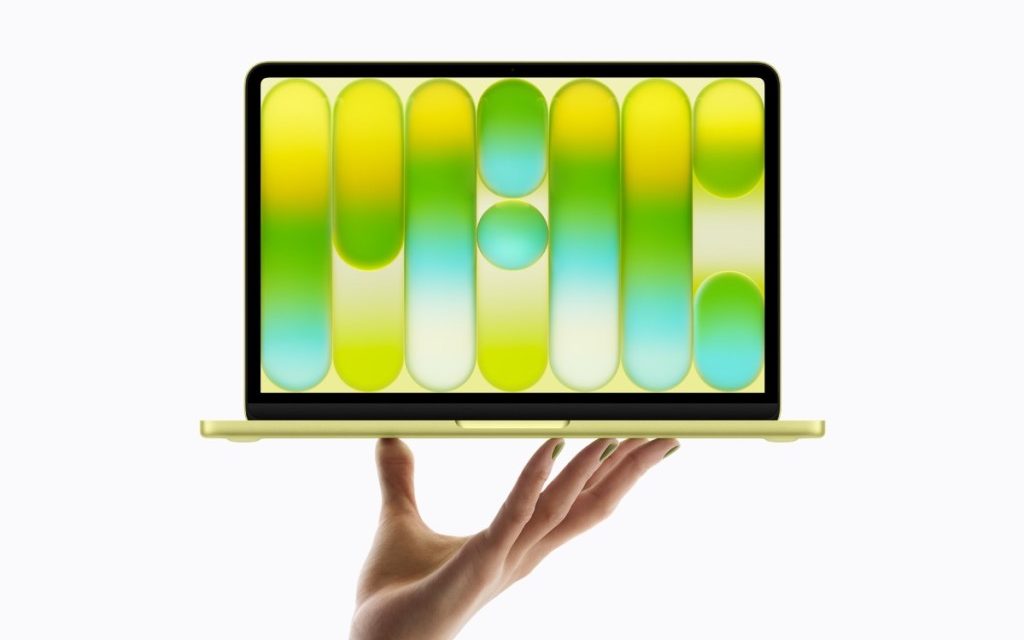
Apple moved into third place ahead of Lenovo, with US PC shipments growing 32.1% YoY, supported by a full quarter of MacBook Neo availability. This lifted Apple’s share of the US consumer PC segment to 29.4%. Apple also continued to expand in the business segment, where shipment grew 50.6%.
Apple sold approximately 3.5 million Macs in the second quarter of 2025. That compared to sales of 3.4 million in the second quarter of 2025.
Dell recorded the largest decline among the major PC vendors, with shipments falling 8.8% as component allocation shifted away from entry-level systems; its U.S. Chromebook shipments fell 47.0%, against a 10.0% decline for the overall US Chromebooks market. HP shipments fell 3.7%, although both HP and Dell recorded revenue growth as higher ASPs offset lower shipment volumes. Lenovo shipments increased 2.0%, slightly outperforming the overall market, supported by consumer demand.
Omdia says the overall PC growth was driven by demand being brought forward as retailers and channel partners secured inventory ahead of price increases resulting from memory and storage supply constraints. Average PC sell-in prices in the U.S> exceeded $1,000 for the first time, up 12.0% YoY. However, the return to growth is expected to be short-lived, with Omdia forecasting U.S. PC shipments to decline 10.7% for the full year and 18.4% in the second half of 2026.
“The US PC market in the second quarter of 2026 benefited from rising average selling prices (ASPs) driven by organic premiumization and supply-driven cost inflation,” said Scott Braverman, Senior Analyst at Omdia. “While shipment growth was muted at 1.0%, U.S. PC market revenue increased by 13.1% as manufacturers prioritized production of higher-margin, higher-cost PCs amid component constraints. The impact was most pronounced in the business segment, where ASPs rose 19.0% as enterprises sought to secure pricing amid uncertainty over future costs. Consumer average selling prices (ASPs) also increased 9.7%, as higher costs were passed on to end users.”
The same trend was visible across the U.S. channel, with Best Buy, CDW, and Insight Enterprises each reporting that higher computing selling prices helped offset softer unit volumes in their most recent quarters.
Rising component cost had the greatest impact on entry-level systems, notes Omdia. Shipments of PCs priced below $699 dropped 6.5%, while shipments of PCs priced above $1,500 increased 36.8%, reflecting a shift toward premium products. Growth in AI PCs also contributed to higher ASPs, with AI PCs accounting for 48.3% of US PC shipments during the quarter and forecast to exceed 50% for the first time in 3Q26.
“The shipment volume observed in the second quarter represents borrowed volume from 2027,” added Braverman. “Combined with persistent supply constraints and elevated prices, we anticipate continued pressure on buyer demand, and subsequently shipment volumes, throughout 2027.”
ASPs are forecast to continue rising in early 2027. However, higher prices are not expected to offset declining shipment volumes, with total US PC market revenue projected to decline 6.0% in 2027.
I hope you’ll help support Apple World Today by becoming a patron. Almost all our income is from Patreon support and sponsored posts. Patreon pricing ranges from $2 to $10 a month. Thanks in advance for your support.
Article provided with permission from AppleWorld.Today