


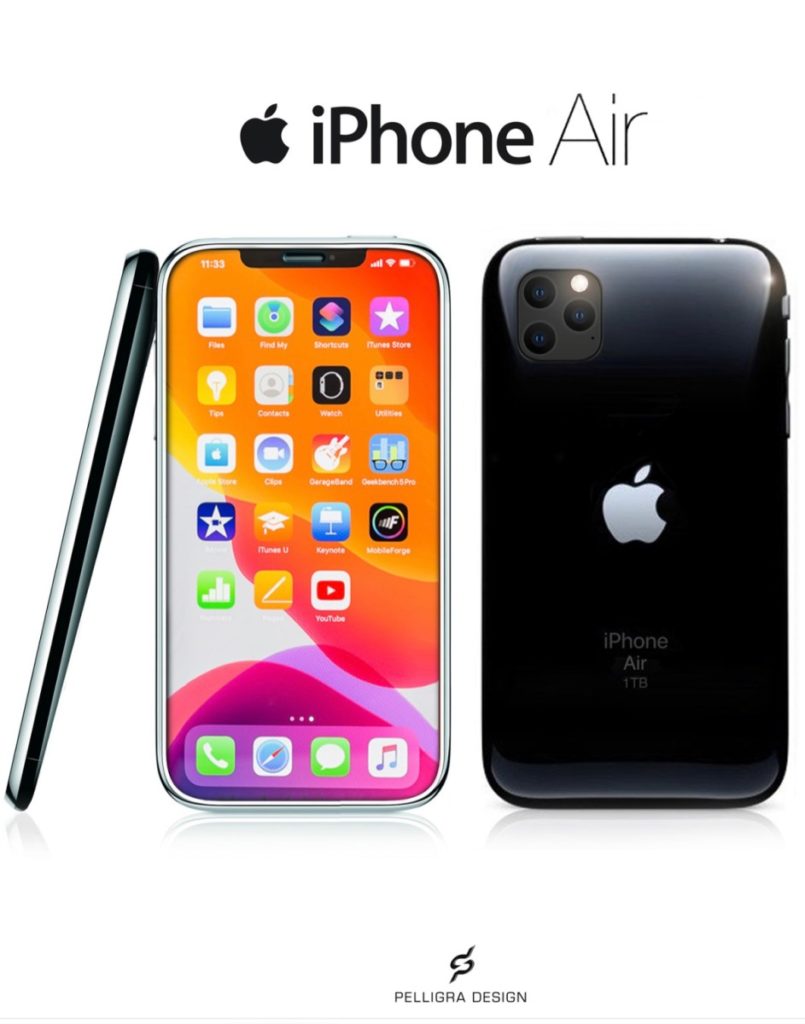
Apple is set to unveil four flagship devices—the iPhone 17, the iPhone 17 Air (tentative name), iPhone 17 Pro, and iPhone 17 Pro Max at a special event dubbed “Awe Dropping” on Tuesday, September 9 at the Apple Park campus in Cupertino, California.
TrendForce projects that total shipments of the iPhone 17 series will rise by 3.5% compared with the iPhone 16 lineup in 2024, with the Pro series remaining the main sales driver. However, sluggish global economic conditions and the potential for higher prices on premium models may temper overall demand.
Here are some key points from the research group’s report:
° The introduction of the iPhone 17 Air signals Apple’s official entry into the thin-and-light flagship category. Yet, the Air may fall short of satisfying consumers who prioritize large batteries and high-end photography by reducing battery capacity and trimming camera specifications. TrendForce expects initial shipments of the Air to align with historical levels of the Plus series, though its actual sales performance remains to be seen.
° The iPhone 17 and Air are expected to feature the A19 processor, while the Pro series will adopt the A19 Pro. DRAM capacity will be increased to 12 GB on the Air, Pro, and Pro Max, and NAND Flash storage will start at 256 GB for these models, scaling up to 1 TB.
° The Air model will use a silicon anode battery and eSIM configuration to balance slimness with endurance. Notably, the entire iPhone 17 series will see major camera upgrades, with the front camera moving from 12MP to 24MP and all rear cameras raised to 48MP. The Pro models will go a step further, featuring a redesigned rectangular array and optimized software algorithms to enhance optical zoom and image resolution.
° In terms of pricing, the base iPhone 17 model is expected to hold last year’s levels, while the Air, Pro, and Pro Max will see increases of US$50–$100 per comparable capacity to reflect their design breakthroughs and hardware enhancements.
° The launch of the Air, together with next year’s anticipated foldable model, highlights Apple’s broader strategy to diversify its product portfolio and capture a wider user base. TrendForce notes that Apple may adjust its release cycle going forward, launching a sub-flag shipment model in the first half of the year, followed by the Air, Pro, Pro Max, and foldable in the second half—creating a richer, more clearly segmented product matrix.
I hope you’ll help support Apple World Today by becoming a patron. All our income is from Patreon support and sponsored posts. Patreon pricing ranges from $2 to $10 a month. Thanks in advance for your support.
Article provided with permission from AppleWorld.Today