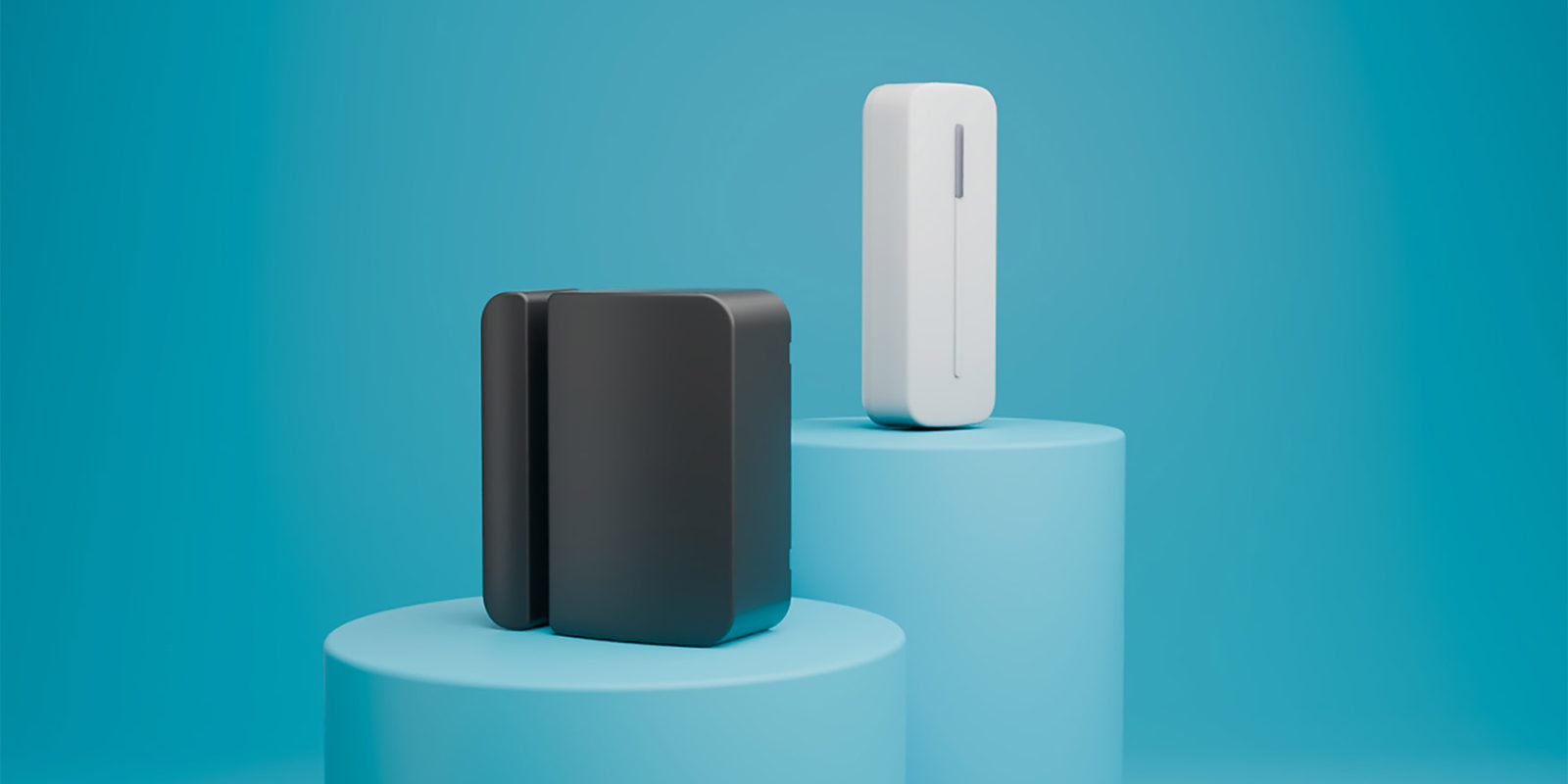
DIY smart home security company Abode expanded its Apple Home-compatible lineup today with two new sensors designed to monitor garage doors, gates, sheds, and other entry points. Here are the details.
]]>
DIY smart home security company Abode expanded its Apple Home-compatible lineup today with two new sensors designed to monitor garage doors, gates, sheds, and other entry points. Here are the details.
]]>
DIY smart home security company Abode expanded its Apple Home-compatible lineup today with two new sensors designed to monitor garage doors, gates, sheds, and other entry points. Here are the details.
]]> Save up to $172 across the Apple Watch lineup – Image credit: ApplePrices across Apple’s wearables line start at $219 this week, with standout offers being a $172 discount on the 42mm GPS + Cellular Apple Watch Series 11 at Walmart and a $100 markdown on the Apple Watch Ultra 3 at Amazon.Grab Apple Watch deals from $219 Continue Reading on AppleInsider | Discuss on our Forums
]]>
Save up to $172 across the Apple Watch lineup – Image credit: ApplePrices across Apple’s wearables line start at $219 this week, with standout offers being a $172 discount on the 42mm GPS + Cellular Apple Watch Series 11 at Walmart and a $100 markdown on the Apple Watch Ultra 3 at Amazon.Grab Apple Watch deals from $219 Continue Reading on AppleInsider | Discuss on our Forums
]]> Spotting a scam email isn’t always easy, but knowing what to look for goes a long wayEmail is a ubiquitous tool that everyone needs for basic web access and account creation. While some tools like Hide My Email attempt to reduce spam, they aren’t foolproof.Users across social media and some staff at AppleInsider have received a bogus email claiming to be Uber. While there are many red flags that suggest the email is a fake at first glance, not everyone is going to have the skills to recognize that. Continue Reading on AppleInsider | Discuss on our Forums
]]>
Spotting a scam email isn’t always easy, but knowing what to look for goes a long wayEmail is a ubiquitous tool that everyone needs for basic web access and account creation. While some tools like Hide My Email attempt to reduce spam, they aren’t foolproof.Users across social media and some staff at AppleInsider have received a bogus email claiming to be Uber. While there are many red flags that suggest the email is a fake at first glance, not everyone is going to have the skills to recognize that. Continue Reading on AppleInsider | Discuss on our Forums
]]> Apple’s incoming CEO John Ternus
As Tim Cook hands the reins to hardware engineering chief John Ternus in September 2026, the company faces its biggest leadership transition in 15 years. While Cook’s tenure delivered massive revenue growth and operational excellence, many former employees and analysts say Apple has lost the product-first, risk-taking design culture that defined the Jobs years. Fortune explores whether Ternus can shift the company from steady iteration back to true innovation.
Sebastian Herrera for Fortune:
Matthew Rogers remembers Apple’s scrappy days when, as an engineer fresh out of college, he could debate ideas directly with Steve Jobs… “I was 23, 24 years old, and I interacted with Steve Jobs. That’s crazy, right? But that’s the organization he ran,” Rogers told Fortune from his Silicon Valley office (he now runs food-recycling startup Mill).
Back then, Apple’s hierarchy was much flatter. What made Apple special, he said, is that Jobs surrounded himself with consumer-minded product leaders who were expected to argue. The mandate was to build “the best thing out there” and take real risks. Some of Apple’s most iconic products came out of a skunkworks team across the street from the main office.
That much-mythologized era continues to shape — and perhaps burden — Apple as it navigates its biggest leadership transition in 15 years. Somewhere along the way, Apple lost a part of its design and product magic, Rogers and several former design and hardware employees, investors, and analysts said. The September handoff from Tim Cook to incoming chief executive John Ternus, who currently leads hardware engineering, has Rogers and other longtime Apple watchers wondering: Can the company reclaim its product-first soul?
Rogers, who also cocreated smart home company Nest with former Apple executive Tony Fadell, said Ternus now faces a defining test. “I’ll put it this way,” he said. “He has a tall task, but a big opportunity.”
MacDailyNews Take: As we posted on X just yesterday:
Under Tim Cook, Apple systematically strayed from Steve Jobs’ core vision. Product Design, the very soul of the company Jobs rebuilt, was demoted, sidelined, and subordinated to operations, supply-chain efficiency, and services revenue. The result? Fifteen long years of polished, but profoundly boring iteration: thinner bezels, faster chips, incremental camera bumps, and endless “Pro” variants that rarely moved the industry forward the way the original iPhone, iPad, or even the aluminum unibody MacBooks once did.
Jobs put Design at the absolute top of the food chain. Jony Ive’s group wasn’t a service department; it was the engine. Cook flipped the hierarchy. Hardware engineering, operations, and finance called the shots (poorly; witness Luca Maestri famously rejecting calls to invest in AI early on which is why he’s now sidelined). Design became reactive instead of directive. The Vision Pro launched as an impressive, but overpriced, underbaked curiosity. After billions spent, the Apple Car evaporated. True category-defining leaps simply did not happen.
Now comes John Ternus, a product person, a hardware guy who has spent his career shipping actual devices rather than optimizing margins. Early signals are encouraging: bringing trusted hardware lieutenants back into the fold and already embedding himself with the industrial design group. That is exactly the right instinct.
If Ternus moves quickly to restore Design to its rightful place at the apex of Apple’s decision-making, the company might finally escape the long, comfortable, lucrative mediocrity of the Cook era. Apple doesn’t need another fifteen years of safer, prettier, or just different iterations. It needs the return of products that make people stop, stare, and rethink what a computer in their pocket, on their wrist, or on their face can be.
The hardware engineer is about to become CEO. The question is whether he has the will — and the authority with Cook looming as Executive Chairman — to put Design back on top where Jobs left it. The next few years will tell us if Apple can innovate again… or if the iteration treadmill simply continues under a new CEO.
Fingers crossed!
Please help support MacDailyNews — and enjoy subscriber-only articles, comments, chat, and more — by subscribing to our Substack: macdailynews.substack.com. Thank you!
Support MacDailyNews at no extra cost to you by using this link to shop at Amazon.
The post Can new CEO John Ternus bring back Apple’s design mojo? appeared first on MacDailyNews.
]]> Meta’s Muse Code is a new AI coding tool for macOS. Image source: MetaThere are already coding agents like Claude Code and ChatGPT Codex available for macOS, but Meta wants to enter the ring with its latest AI toolset. Unlike the others, it doesn’t have an app interface and runs through the Terminal.According to an announcement post from Meta, Muse Code can take on complex software engineering tasks across large repositories. It is capable of planning changes, writing code, and validating the results while coordinating multiple persistent subagents. Continue Reading on AppleInsider | Discuss on our Forums
]]>
Meta’s Muse Code is a new AI coding tool for macOS. Image source: MetaThere are already coding agents like Claude Code and ChatGPT Codex available for macOS, but Meta wants to enter the ring with its latest AI toolset. Unlike the others, it doesn’t have an app interface and runs through the Terminal.According to an announcement post from Meta, Muse Code can take on complex software engineering tasks across large repositories. It is capable of planning changes, writing code, and validating the results while coordinating multiple persistent subagents. Continue Reading on AppleInsider | Discuss on our Forums
]]>
9to5Mac is brought to you by Memoket: The Memoket Gem is an 11g AI wearable that slots beside your Apple Watch in a co-wear band. Press once to capture a conversation, and Gem connects it to what you discussed weeks ago — surfacing the earlier thread with a source link. From $179, shipping August 2026.
I love my Apple Watch. I have owned one since the original Series 0 was released back in 2015. In that span, I have probably missed 10 days without wearing an Apple Watch, so I could argue that it is my most-used Apple product of all time.
I use it to track workouts, track my health, track my sleep, as an extension of my iPhone, and it has just become a part of my daily routine. One of my favorite things about the Apple Watch is its accessories ecosystem, from bands to chargers to cases and everything in between. So here are some of my favorite Apple Watch accessories that I keep going back to.
]]>
Apple Watch Ultra 4 is coming next month, launching alongside iPhone 18 Pro, iPhone Ultra, and more. Here are three rumored Apple Watch Ultra 4 features that I’m excited about.
]]>
As the EU’s new transparency requirements for AI-generated content take effect, WhatsApp is working on a feature that will allow channel admins to label certain types of AI-generated content. Here are the details.
]]> Apple’s CarPlay is coming to Crest and Balise pontoon boats
MasterCraft Boat Holdings has announced that it is adding Apple CarPlay to its upcoming Crest and Balise pontoon boats, MacRumors reports. The company is partnering with Savvy Navvy to bring CarPlay and on-water navigation to boaters.
Boaters who purchase select 2027 Crest or Balise pontoons will gain access to CarPlay, offering many of the same features available in cars. The Savvy Navvy mobile app will integrate with CarPlay to display nautical charts, GPS tracking, smart routing, and live weather forecasts alongside other CarPlay apps.
Savvy Navvy will provide specialized water navigation—a feature not available through the Apple Maps CarPlay integration.
“Boaters have been asking for a modern infotainment system for years,” says Jelte Liebrand, Founder and CEO of Savvy Navvy. “Plan your trip on the couch, step aboard, and it is already at the helm. No complicated ways to synchronise things; it just works. Savvy Navvy for CarPlay works on iOS and Android with any compatible display. I’m thrilled to see Crest and Balise put CarPlay in front of their boaters.”
Starting with the 2027 model year, Apple CarPlay with Savvy Navvy will come standard on all new Balise and Crest Conquest and Caribbean models. A limited Savvy Navvy Premium subscription is included.The Savvy Navvy app is available for CarPlay worldwide starting today and works with any compatible CarPlay display, including aftermarket marine head units.
MacDailyNews Take: BoatPlay .
.
Please help support MacDailyNews — and enjoy subscriber-only articles, comments, chat, and more — by subscribing to our Substack: macdailynews.substack.com. Thank you!
Support MacDailyNews at no extra cost to you by using this link to shop at Amazon.
The post Apple’s CarPlay is coming to Crest and Balise pontoon boats appeared first on MacDailyNews.
]]>
Meta is entering the AI coding-agent race with Muse Code, a new terminal-based tool now available in beta for macOS and Linux.
]]>
Siri AI is a major upgrade and highlight of iOS 27, macOS Golden Gate, and more. But only newer Apple devices will support the overhauled Siri. Here’s the full list of Siri AI-compatible hardware across iPhone, iPad, Mac, Apple Watch, and Apple Vision Pro.
]]>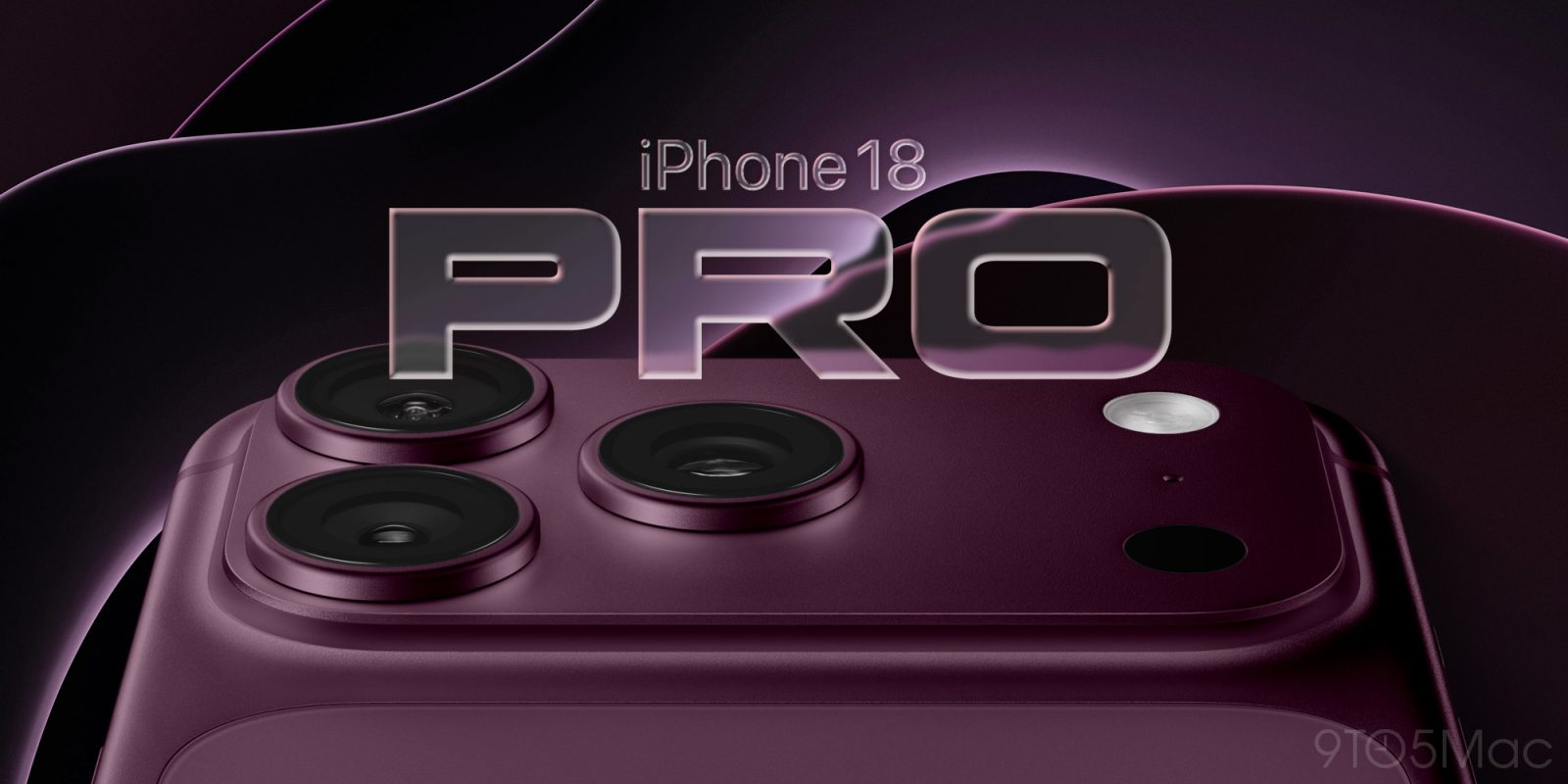
When should we expect the iPhone 18 Pro event, and when will Apple officially announce the date? Apple hasn’t sent invitations yet, but its announcement history gives us a remarkably consistent window.
]]> John Ternus will introduce Apple’s event in September. It will probably be prerecorded. It’s barely a month away from Apple’s regular fall event, which will see the launch of products like the iPhone 18 Pro, the iPhone Fold, and other long-rumored items. It is always a major event, with most of the tech world paying close attention.However, with the prospect of a new CEO at the helm, there are also expectations of other changes. That can also include the September event itself. Continue Reading on AppleInsider | Discuss on our Forums
]]>
John Ternus will introduce Apple’s event in September. It will probably be prerecorded. It’s barely a month away from Apple’s regular fall event, which will see the launch of products like the iPhone 18 Pro, the iPhone Fold, and other long-rumored items. It is always a major event, with most of the tech world paying close attention.However, with the prospect of a new CEO at the helm, there are also expectations of other changes. That can also include the September event itself. Continue Reading on AppleInsider | Discuss on our Forums
]]> Apple’s iPhone 17
Apple’s fiscal third-quarter iPhone revenue hit $54.25 billion, surging nearly 22% and beating Wall Street forecasts. Behind the headline number, independent shipment data reveals the company also delivered standout unit growth and higher average selling prices—proving the iPhone business is performing even better than the official figures suggest.
James Brumley for The Motley Fool:
According to IDC, Apple was only one of two major names in the smartphone business to defy the overall 6.7% year-over-year decline in total smartphone shipments during the second calendar quarter of this year. The other one was Samsung, which experienced an 8.1% year-over-year increase in total unit shipments. Apple handily outpaced that growth rate, though, with its 15.3% year-over-year improvement in iPhone shipments, again as reported by IDC.
There are a couple of important takeaways for investors quietly buried in this data. The first is that, while the company itself didn’t report it, the relative changes in reported revenue and unit shipments indicate that Apple is asking — and getting — a higher average selling price (ASP) for its current slate of iPhones. And not for the first time.
This is the second quarter in a row that IDC reported Apple had defied a broad drop in demand for smartphones by achieving the industry’s highest year-over-year increase in unit shipments, which again was also outpaced by Apple’s reported iPhone revenue growth (of nearly 22% in the previously reported quarter).
Connect the dots. After a slow start, the demand for newer iPhones that the launch of Apple Intelligence was supposed to generate back in 2025 is finally taking hold.
MacDailyNews Take: Al of this, just before Apple is set to unveil the next generation of its indomitable iPhone!
Please help support MacDailyNews — and enjoy subscriber-only articles, comments, chat, and more — by subscribing to our Substack: macdailynews.substack.com. Thank you!
Support MacDailyNews at no extra cost to you by using this link to shop at Amazon.
The post Apple’s Q3 iPhone sales crush expectations — and even better than they seem appeared first on MacDailyNews.
]]>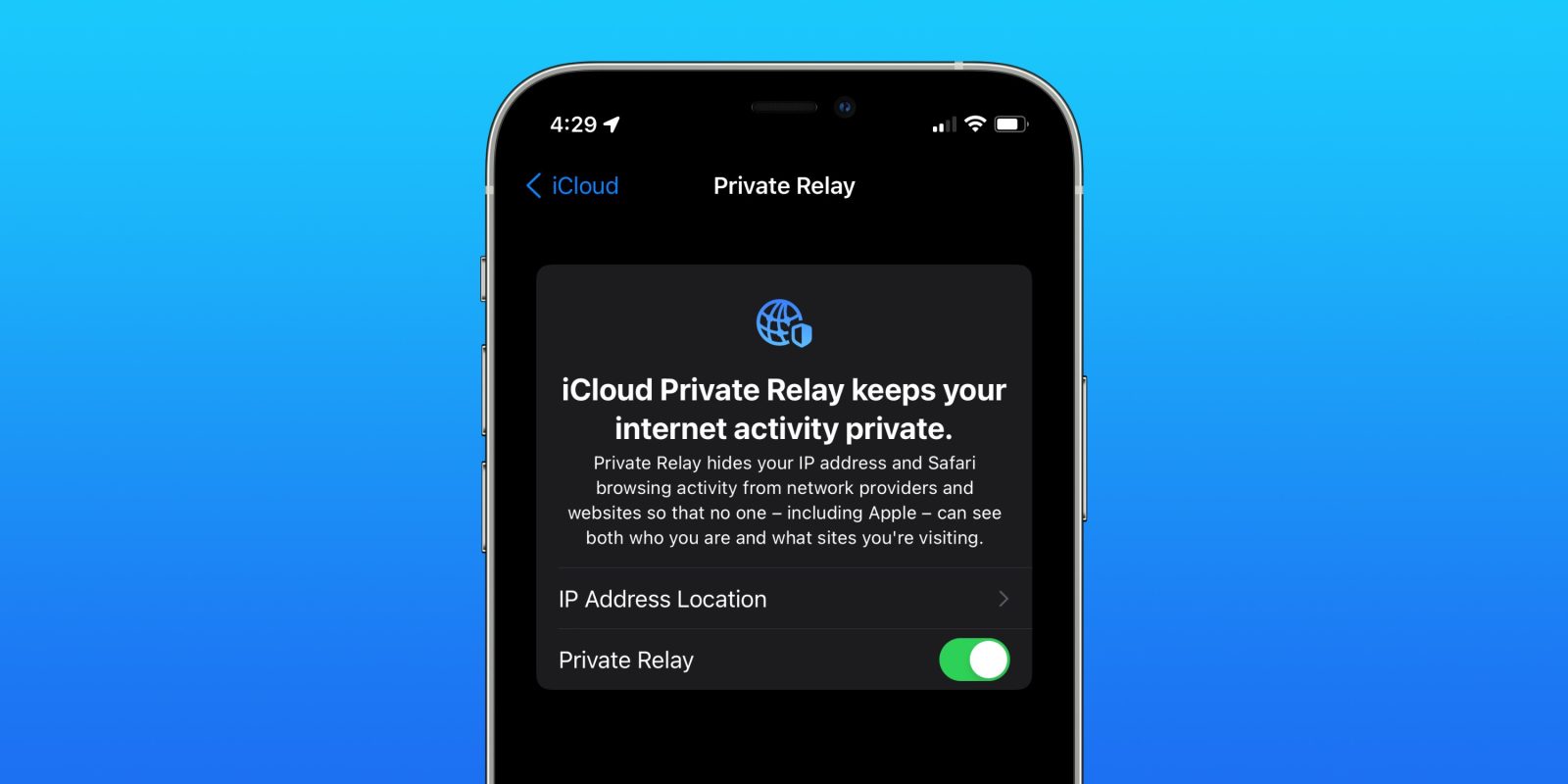
Security researchers have discovered a problem with Apple’s iCloud Private Relay service. While the feature is meant to protect your real IP address, it might actually be leaking it to websites.
]]>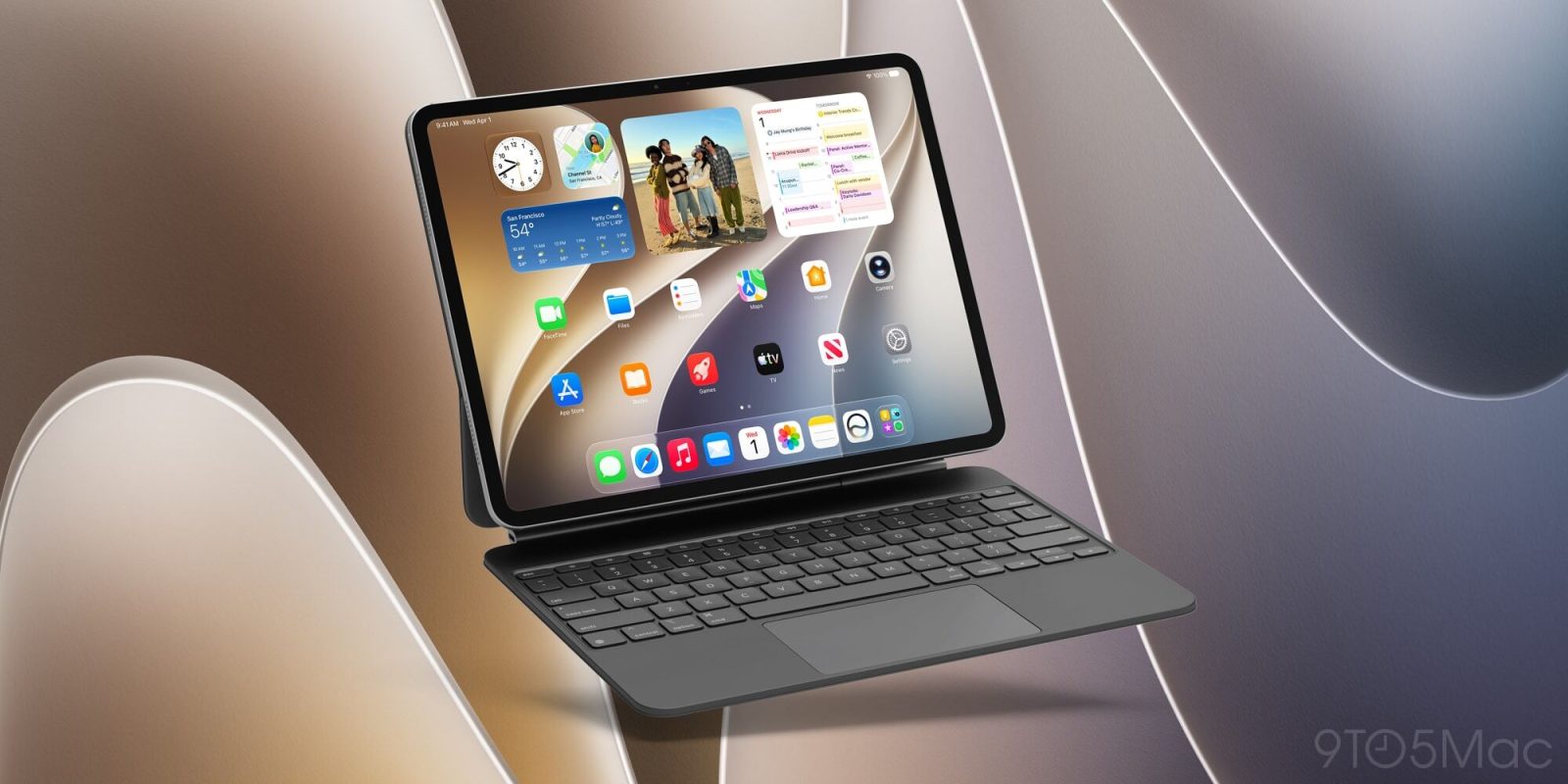
iPadOS 27 launches next month, with new features in apps like Notes, Messages, Calendar, Mail, and more. Here are a couple of systemwide iPadOS 27 features I’ve been loving.
]]>
Apple briefly removed Telegram from its App Store late on Monday after detecting child sexual abuse material (CSAM) in a public group. The messaging app was restored within about 40 minutes once Telegram deleted the content and banned the responsible user. Telegram CEO Pavel Durov later described the incident as the work of a “takedown extortionist” who deliberately planted AI-modified illegal content to trigger the removal and pressure online communities.
According to Durov’s statement on X (see below), the attacker edited an old message in an active public group chat to insert the prohibited material. Because the edit was backdated, the content remained effectively invisible to ordinary group members, limiting their ability to report it through normal channels and helping it evade some of Telegram’s automated moderation tools. The perpetrator then reportedly flagged the material directly to Apple.
Durov characterized the actor as a takedown extortionist—someone who demands payment from group owners in exchange for not targeting their communities. These operators, he said, rely on automated accounts to seed illegal material in public groups and then report it to platform gatekeepers such as Apple in an effort to force the removal of legitimate communities whose administrators refuse to pay.
“From a practical standpoint, illegal pornographic content in Telegram’s public groups is not a systemic problem,” Durov wrote. “Our moderation is effective. The fact that attackers must resort to backdated, effectively invisible content and other technical tricks proves this.” He emphasized that Telegram routinely removes illegal material from public groups using a range of moderation tools.
Apple confirmed that a content review had identified CSAM that violated App Store guidelines. The company stated that Telegram “promptly removed the content and banned the user,” after which the app was returned to the store. Apple has not publicly addressed Durov’s claim that an extortionist manipulated the process. Durov noted that Apple pulled Telegram before contacting the company.
Durov framed the episode as a warning for other developers. “Extortionists have found a way to manipulate Apple into overreacting,” he said. “This creates a potential systemic risk for every mobile app that hosts user-generated content. If an app used by more than a billion people can be removed from the App Store without prior warning, any app can be.” He also cautioned that the tactics used by such coordinated reporting groups are evolving and that other platforms may be less prepared to identify and counter them.
The incident underscores ongoing tensions between large platforms that host user-generated content, the moderation challenges they face, and the policies of mobile app marketplaces that can unilaterally restrict distribution. Telegram continues to operate normally on iOS following the short-lived removal.
Pavel Durov via X:
Last night Apple briefly removed Telegram from the AppStore because a user had planted illegal porn in a public chat.
Telegram was restored within hours. But I want to explain what happened — to warn other app developers and help protect online communities from similar attacks.
Because Telegram quickly removes illegal content from public groups using all kinds of moderation tools, the attacker had to resort to a technical trick. He inserted AI-modified illegal content by editing an old message in an active group chat. As a result the content was effectively hidden from the group’s members, preventing them from seeing/reporting it.
The attacker was a takedown extortionist: someone who demands ransom from group owners in exchange for not targeting their communities. These extortionists use automated accounts to plant illegal content in public groups and then report it directly to Apple, attempting to trigger the removal of legitimate communities whose owners refused to pay them.
From a practical standpoint, illegal pornographic content in Telegram’s public groups is not a systemic problem. Our moderation is effective. The fact that attackers must resort to backdated, effectively invisible content and other technical tricks proves this.
 However, there are two important lessons here for app developers and online communities:
— Extortionists have found a way to manipulate Apple into overreacting. Apple removed Telegram from the App Store before contacting us. This creates a potential systemic risk for every mobile app that hosts user-generated content. If an app used by more than a billion people can be removed from the App Store without prior warning, any app can be.
— The tactics used by takedown extortionists are evolving, putting communities across social platforms at risk. Telegram has extensive experience identifying the tricks used by coordinated reporting gangs and protecting legitimate communities (even when doing so risks our own app being temporarily removed from the App Store). Other platforms may not be equally prepared.
Stay vigilant! 
MacDailyNews Take: Apple’s App Store really is one of history’s most profitable cans of worms.
It’s an astonishing money machine: the broader App Store ecosystem facilitated over $1.4 trillion in developer billings and sales in 2025 alone. Physical goods and services (retail, food delivery, travel, etc.) made up the bulk (~$1.1 trillion), where Apple takes no commission. Digital goods and services accounted for about $149 billion, and in-app advertising another $151 billion. On the digital slice Apple typically charges 15–30%, generating many billions in high-margin revenue that helps power its Services business.
Yet the same walld garden that produces those results is a perpetual source of headaches. Apple’s near-total control over iOS distribution and payments has fueled years of antitrust battles — Epic Games, the U.S. DOJ, EU Digital Markets Act enforcement, court findings of non-compliance, and ongoing developer lawsuits. Critics call the commission the “Apple Tax,” complain about arbitrary review decisions, limited sideloading or alternative stores (outside certain regulated markets), and the risk that a single content flag can yank a major app offline without warning.
The recent Telegram episode fits the pattern perfectly. A brief App Store removal triggered by planted illegal content (which Telegram says was the work of a takedown extortionist) showed how Apple’s gatekeeper power can be gamed or lead to rapid, high-stakes reactions.
Please help support MacDailyNews — and enjoy subscriber-only articles, comments, chat, and more — by subscribing to our Substack: macdailynews.substack.com. Thank you!
Support MacDailyNews at no extra cost to you by using this link to shop at Amazon.
The post Telegram CEO accuses ‘takedown extortionist’ of manipulating Apple into brief App Store removal appeared first on MacDailyNews.
]]>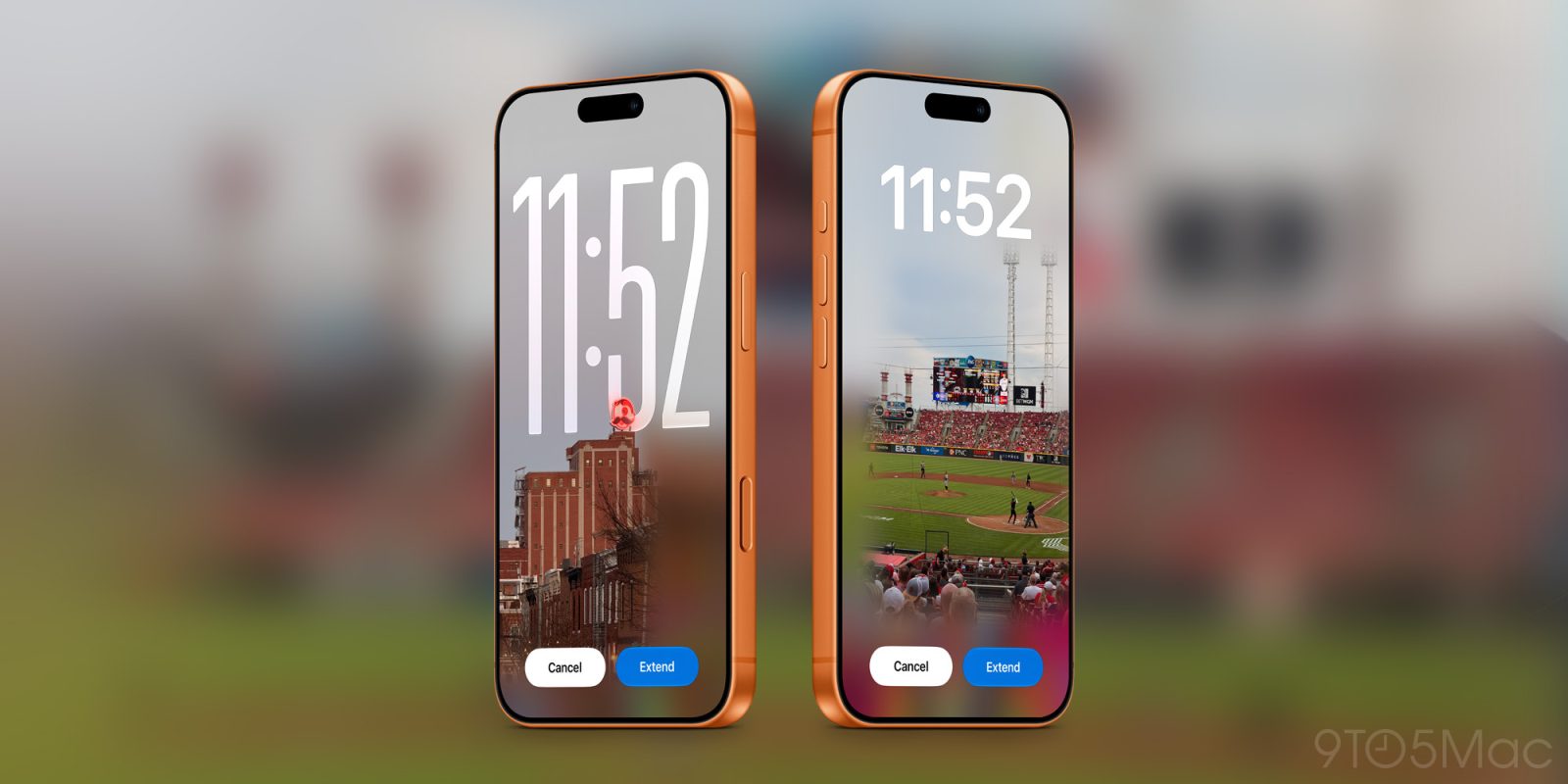
iOS 27 continues Apple’s trend of giving you more control over the design of your iPhone’s Lock Screen. This year, there are new customization options, wallpaper settings, and more.
]]> HomePod mini 2 shouldn’t change much from the first-gen’s external appearance. Apple’s HomePod mini is a key part of the smart home. While it is obviously a great and compact speaker and a way to communicate with Siri without using your iPhone, it’s also a hub to manage all of your smart home devices using Apple Home.However, since its release in 2020, the HomePod mini hasn’t had much in the way of updates, save for some new colors. A glow-up is long overdue. Continue Reading on AppleInsider | Discuss on our Forums
]]>
HomePod mini 2 shouldn’t change much from the first-gen’s external appearance. Apple’s HomePod mini is a key part of the smart home. While it is obviously a great and compact speaker and a way to communicate with Siri without using your iPhone, it’s also a hub to manage all of your smart home devices using Apple Home.However, since its release in 2020, the HomePod mini hasn’t had much in the way of updates, save for some new colors. A glow-up is long overdue. Continue Reading on AppleInsider | Discuss on our Forums
]]>A pair of security researchers found a critical problem with Apple’s iCloud Private Relay feature. Even when using Safari, a website can fairly easily get your real IP address.
Researchers Talal Haj Bakry and Tommy Mysk just disclosed the issue. Apple is aware of it; according to a report form 404 Media, Mysk said, “We have already informed them. They said the issue was ‘dire,’ but they let us disclose the issue. They didn’t provide any time when they will address this.”
Here’s how it works, in basic terms: iCloud Private Relay is a nice security feature but it is not a VPN. It only works when you use Safari. Passkeys—the helpful biometric alternative to remembering different passwords for every site—operate outside the browser, using the WebAuthn framework on Apple devices. So if you set up a website to make a request for a Passkey credential origin, it’s not protected by iCloud Private Relay because the Passkey request is technically happening outside the browser.
Of course, if you’re an everyday user, you don’t have any reason to know or suspect this. You’re using Safari, you have the paid iCloud+ Private Relay service turned on, you should be hidden, right?
The issue also affects browsers that use WebKit’s proxy relay, including some Tor browsers. The researchers built a proof-of-concept site you can use to check if you’re affected.
We don’t know when Apple is going to address the issue, but a vulnerability in Hide My Email that exposed real email addresses was fixed very quickly by Apple after the issue became public. That only required a back-end server fix, while this iCloud Private Relay issue might require a software update on devices. The fact that Apple let the researchers disclose the issue before the fix means Apple wants users to know about the problem and suggests it could take some time to fix.
iCloud Private Relay is not a VPN
This is a good time to remind everyone that iCloud Private Relay is not a VPN. A traditional VPN routes all the internet traffic for your entire device through other servers, sometimes providing other features as well at the core network level. iCloud Private Relay operates only in the Safari browser. It’s a nice perk of iCloud+, but not a full VPN substitute.
That difference is the root cause of this new issue. You can be browsing with Safari and a website can make a special kind of request that happens outside the usual browser stack—by design—and thus is not affected by iCloud Private Relay. Apple will obviously need to address this quickly.
If you’re interested in a real VPN, check out our list of the best VPNs.
]]>
Apple has released a new round of beta firmware for several AirPods models, including the AirPods Pro 2, AirPods Pro 3, and AirPods Max 2, as the company continues testing features tied to iOS 27, iPadOS 27, and macOS Golden Gate.The latest developer beta carries the build number 9A5336b. It is the fourth beta firmware version in the current cycle and follows the previous build (9A5314b) from early July. Supported models also include the AirPods 4 (with and without Active Noise Cancellation).
This firmware enables compatibility with upcoming iOS 27 AirPods enhancements announced at WWDC 2026. Key features include:
• Custom EQ controls (a native 3-band equalizer for Low, Mid, and High frequencies adjustable directly in AirPods settings)
• A redesigned AirPods interface with improved labels and groupings
• A slider for Adaptive Audio mode
• Deeper integration with the new Siri AI
• Additional management and performance improvements
These capabilities require both the updated AirPods firmware and a host device running a compatible beta of iOS 27, iPadOS 27, or macOS Golden Gate (or, for enabling the beta toggle itself, iOS 26 / iPadOS 26 / macOS 26 or later).
How to Install the Beta Firmware
Apple has simplified the process in recent years. Developers can enable it as follows:
Ensure your iPhone, iPad, or Mac is running a supported software version (iOS 26/iPadOS 26/macOS 26 or later to access the toggle; the full iOS 27 beta experience for new features).
Connect your AirPods.
Open Settings (or System Settings on Mac) and tap/select your AirPods at the top (or via the Bluetooth info button).
Scroll to AirPods Beta Updates and turn the option on.
Place the AirPods in their case (or Smart Case for AirPods Max), connect them to power, and keep them near the paired device.
The firmware installs automatically in the background. There is no manual “Update Now” button, and the process can take several hours. A public beta version of this build is expected to follow in the coming days.
MacDailyNews Note: As with all betas, the software is intended for testing and may contain bugs or incomplete features. Apple has not published detailed release notes beyond the connection to the broader iOS 27 AirPods improvements.The update arrives as Apple prepares the fall software releases that will bring these enhancements to the wider public. Owners of eligible AirPods who are already enrolled in the developer program should see the new firmware become available shortly after enabling beta updates.
Please help support MacDailyNews — and enjoy subscriber-only articles, comments, chat, and more — by subscribing to our Substack: macdailynews.substack.com. Thank you!
Support MacDailyNews at no extra cost to you by using this link to shop at Amazon.
The post Apple seeds new beta firmware for AirPods Pro and AirPods Max appeared first on MacDailyNews.
]]>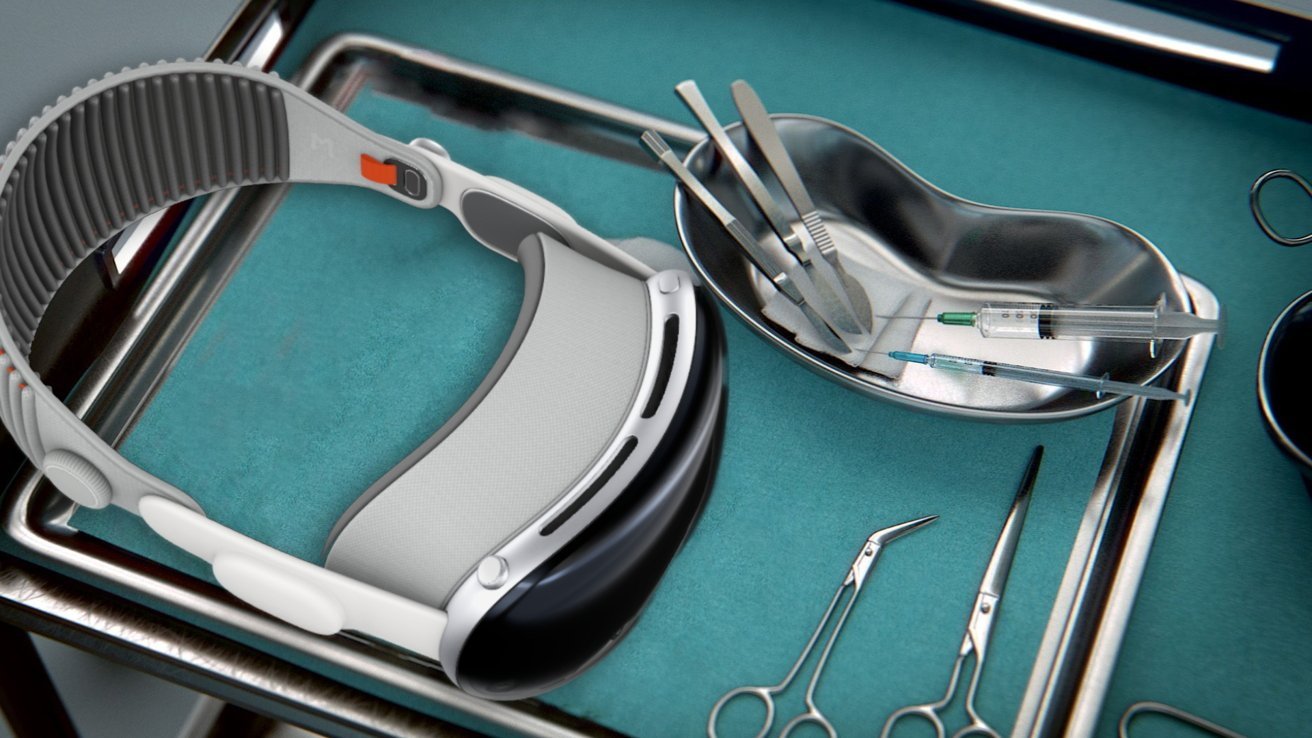 The Apple Vision Pro has proven to be a useful tool for cataract surgery.Apple Vision Pro has been used for surgery since it first came out, and surgeons have already said that it is so light it saves them pain and injury. Now a study conducted at the UC San Diego Shiley Eye Institute, has directly compared using Apple Vision Pro to what it calls “traditional monitor-based” surgery.The resulting paper, called “Apple Vision Pro as a Wearable Display for Endoscopic Dacryocystorhinostomy: Surgical Experience, Efficiency, and Cost,” claims to be among the first to evaluate the device for endoscopic lacrimal surgery. The researchers considered factors including efficiency, reliability, weight and cost, and concluded that Apple Vision Pro: Continue Reading on AppleInsider | Discuss on our Forums
]]>
The Apple Vision Pro has proven to be a useful tool for cataract surgery.Apple Vision Pro has been used for surgery since it first came out, and surgeons have already said that it is so light it saves them pain and injury. Now a study conducted at the UC San Diego Shiley Eye Institute, has directly compared using Apple Vision Pro to what it calls “traditional monitor-based” surgery.The resulting paper, called “Apple Vision Pro as a Wearable Display for Endoscopic Dacryocystorhinostomy: Surgical Experience, Efficiency, and Cost,” claims to be among the first to evaluate the device for endoscopic lacrimal surgery. The researchers considered factors including efficiency, reliability, weight and cost, and concluded that Apple Vision Pro: Continue Reading on AppleInsider | Discuss on our Forums
]]>
A newly discovered WebKit privacy leak bypasses proxy protection and iCloud Private Relay, exposing your real IP addresses and DNS data.
(via Cult of Mac – Your source for the latest Apple news, rumors, analysis, reviews, how-tos and deals.)
]]> That would be Android phones it’s talking about. You’re on an iPhone, you’re fine. Image credit: SunbirdPreviously on Sunbird… it was an Android app that let users partake in Apple iMessage conversations without a green bubble, and with myriad security problems. It came and it went, and then Apple added RCS support so that Android users could do exactly this without the privacy issues.Sunbird tried coming back in 2024 having promised to have fixed its security problems, but it really didn’t because it really can’t. Your data still went through its servers and the company can say all it likes that it doesn’t peek, but this remains a firm you’ve never heard of and are expected to trust. Continue Reading on AppleInsider | Discuss on our Forums
]]>
That would be Android phones it’s talking about. You’re on an iPhone, you’re fine. Image credit: SunbirdPreviously on Sunbird… it was an Android app that let users partake in Apple iMessage conversations without a green bubble, and with myriad security problems. It came and it went, and then Apple added RCS support so that Android users could do exactly this without the privacy issues.Sunbird tried coming back in 2024 having promised to have fixed its security problems, but it really didn’t because it really can’t. Your data still went through its servers and the company can say all it likes that it doesn’t peek, but this remains a firm you’ve never heard of and are expected to trust. Continue Reading on AppleInsider | Discuss on our Forums
]]>
Apple TV rarely cracks Nielsen’s national streaming charts, but hit series “Shrinking” has done just that in the first half of 2026. The dramedy, from Ted Lasso co-creator Bill Lawrence, ranks as the platform’s top performer so far this year, according to Nielsen’s Streaming Landscape 2026 report covering December 29, 2025, through June 28, 2026.
“Shrinking” landed at No. 20 among original series with 5.246 billion minutes viewed across its 33 available episodes. That figure edges it past other titles in the low-5-billion range and makes it Apple TV’s sole entry — and therefore its most-watched original — in Nielsen’s top 20 originals list.
The numbers reflect both the ongoing pull of earlier seasons and the impact of Season 3, which premiered in late January 2026 and concluded in early April. Starring Jason Segel as a grieving therapist who abandons professional boundaries, alongside Harrison Ford, Jessica Williams, Luke Tennie, and Christa Miller, the series blends sharp comedy with emotional depth. Its consistent critical praise and steady audience loyalty have kept it a reliable performer on a service better known for prestige hits than mass-market volume.
Nielsen data underscores how difficult it is for Apple TV titles to reach these rankings. Netflix dominated the originals chart, claiming 11 of the top 20 spots led by “Stranger” Things (23.261 billion minutes). HBO Max’s “The Pitt” took second with 21.118 billion, followed by other heavyweights such as “Bridgerton,” “Landman,” and “The Lincoln Lawyer.” Apple TV’s appearance at the bottom of the list is notable precisely because the service’s subscriber base and viewing patterns have historically kept most of its originals below the national radar that Nielsen captures through television-connected devices.
The achievement arrives as Apple TV continues building its slate of character-driven series. “Shrinking” has already been renewed for a fourth season, with creators signaling a possible time jump that could refresh the story while retaining the core ensemble. Meanwhile, the return of “Ted Lasso” for its own new season offers another high-profile opportunity for the platform to convert critical favorites into broader viewing momentum.
MacDailyNews Take: For a service that prioritizes quality over sheer quantity of hours, cracking the Nielsen originals Top 20 represents a meaningful achievement. 5.2 billion minutes for “Shrinking” demonstrate that thoughtful, well-acted storytelling can still cut through in a fragmented streaming landscape, giving Apple TV a clear mid-year leader and a foundation to build on as the second half of 2026 unfolds.
MacDailyNews Note: Apple TV is available on the Apple TV app in over 100 countries and regions, on over 1 billion screens, including iPhone, iPad, Apple TV 4K, Apple Vision Pro, Mac, popular smart TVs from Samsung, LG, Sony, VIZIO, TCL and others, Roku and Amazon Fire TV devices, Chromecast with Google TV, PlayStation and Xbox gaming consoles, and at tv.apple.com, for $12.99 per month with a seven-day free trial for new subscribers. For a limited time, customers who purchase and activate a new iPhone, iPad, Apple TV 4K or Mac can enjoy three months of Apple TV for free.
Please help support MacDailyNews — and enjoy subscriber-only articles, comments, chat, and more — by subscribing to our Substack: macdailynews.substack.com. Thank you!
Support MacDailyNews at no extra cost to you by using this link to shop at Amazon.
The post ‘Shrinking’ is Apple TV’s most-watched show of 2026, so far appeared first on MacDailyNews.
]]> Save $500 on Apple’s loaded 16-inch MacBook Pro at Amazon – Image credit: AppleAmazon is slashing $500 off Apple’s premium 16-inch MacBook Pro with a top-of-the-line M5 Max chip. Equipped with an 18-core CPU and 40-core GPU, the high-end model also has an upgrade to 48GB of RAM and a spacious 2TB SSD.Save $500 on M5 Max 16″ MacBook Pro Continue Reading on AppleInsider | Discuss on our Forums
]]>
Save $500 on Apple’s loaded 16-inch MacBook Pro at Amazon – Image credit: AppleAmazon is slashing $500 off Apple’s premium 16-inch MacBook Pro with a top-of-the-line M5 Max chip. Equipped with an 18-core CPU and 40-core GPU, the high-end model also has an upgrade to 48GB of RAM and a spacious 2TB SSD.Save $500 on M5 Max 16″ MacBook Pro Continue Reading on AppleInsider | Discuss on our Forums
]]>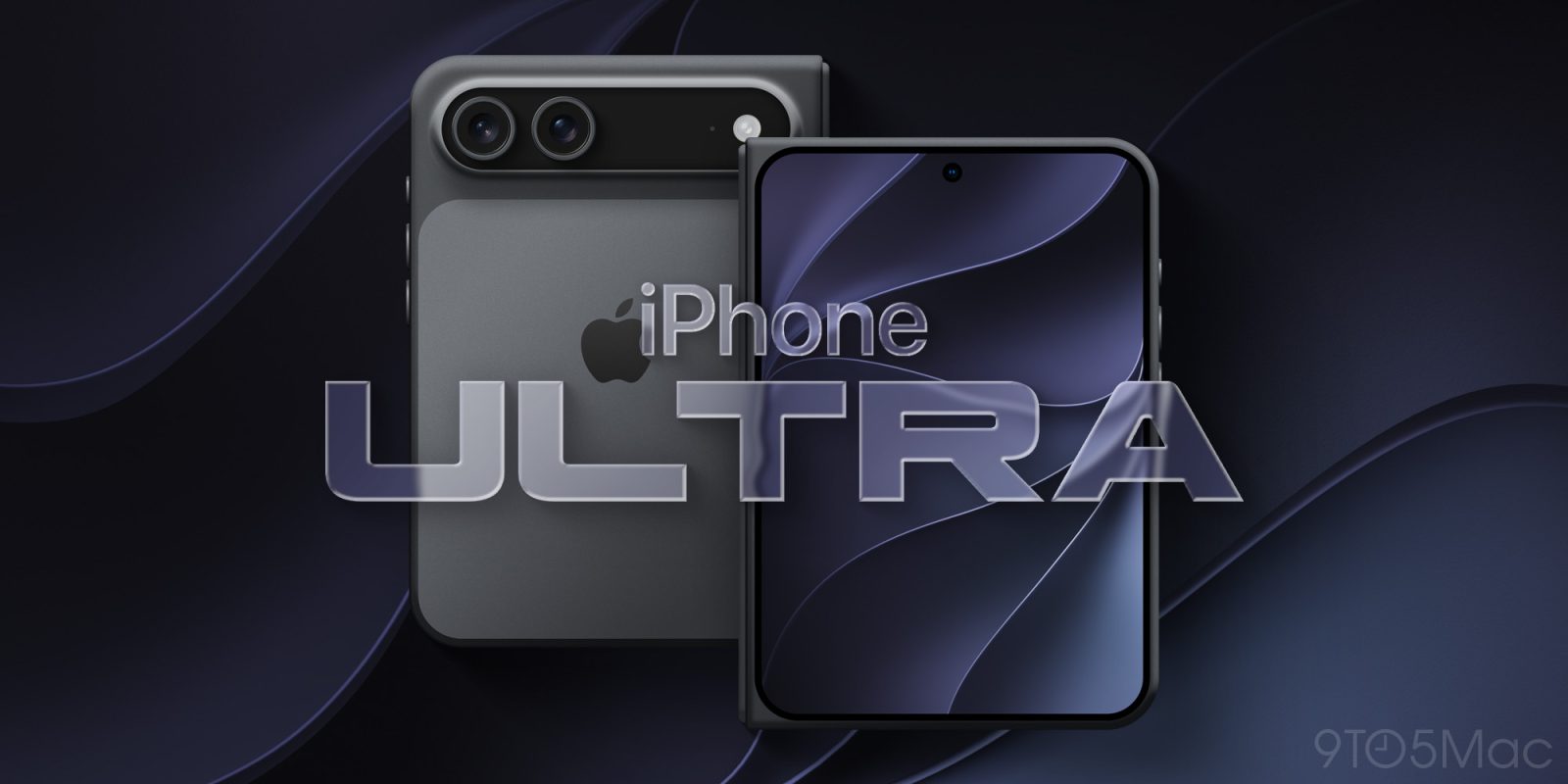
Apple’s first foldable iPhone is coming very soon, and based on rumors about the product, it sounds very much deserving of the ‘iPhone Ultra’ name. Here’s why.
]]> Savvy Navvy on CarPlay, on a boat’s infotainment system – Image Credit: Savvy NavvyApple CarPlay is intended as a way to interact with your iPhone safely through a vehicle’s infotainment system. While that vehicle has been cars, vans, and trucks so far, it’s about to go very off-road, and off-land too.Announced during the annual dealer meeting of Crest Marine on Tuesday, CarPlay will be an option for the infotainment system for customers of both Crest and Balise Pontoons. The MasterCraft Boat Holdings brands have partnered with marine navigation app Savvy Navvy to adapt CarPlay for usage on the water. Continue Reading on AppleInsider | Discuss on our Forums
]]>
Savvy Navvy on CarPlay, on a boat’s infotainment system – Image Credit: Savvy NavvyApple CarPlay is intended as a way to interact with your iPhone safely through a vehicle’s infotainment system. While that vehicle has been cars, vans, and trucks so far, it’s about to go very off-road, and off-land too.Announced during the annual dealer meeting of Crest Marine on Tuesday, CarPlay will be an option for the infotainment system for customers of both Crest and Balise Pontoons. The MasterCraft Boat Holdings brands have partnered with marine navigation app Savvy Navvy to adapt CarPlay for usage on the water. Continue Reading on AppleInsider | Discuss on our Forums
]]>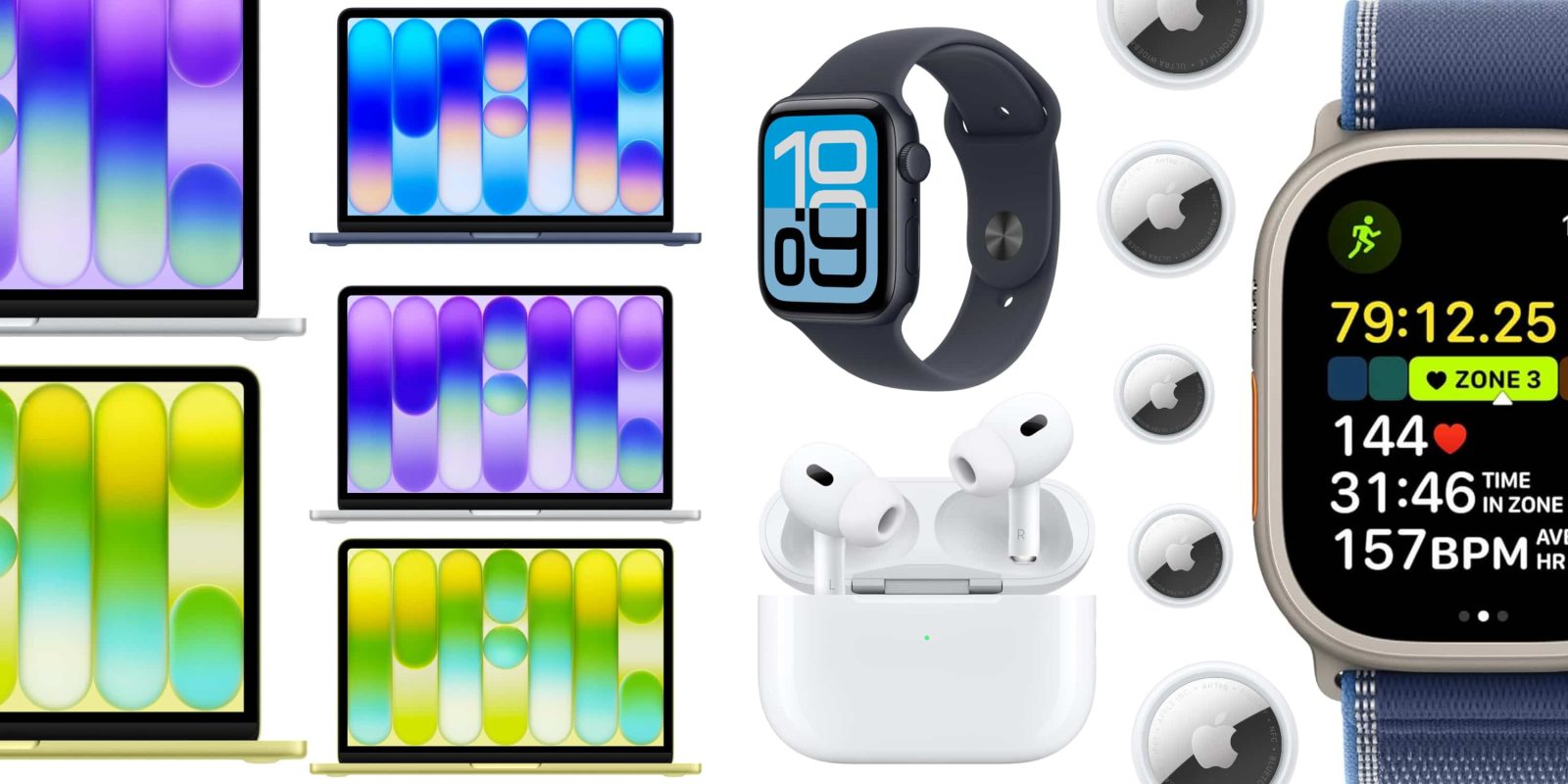
The AirPods Pro 3 discounts roll on alongside the all-time low pricing on AirTag 2, but for today’s 9to5Toys Lunch Break we are stating off with the official Apple Certified Refurbished Store where you’ll find the lowest prices on MacBook Neo at up to $120 off the list new lists. Those deals join this M5 Pro MacBook Pro at $500 off (that’s $100 under the pre price-hike MSRP) as well as this Apple Watch Series 11 model at $150 off, Apple Watch SE 3 at up to $80 off, Apple Watch Ultra 3 at up to $130 off, and the ongoing Best Buy August Back to School sale. Scope it all out down below.
]]> Apple’s original Newton – image credit: AppleBack in 1993, Apple’s press officers did the rounds of every technology magazine there was. When they reached one in London, they had the speech down pat. In particular, they knew how to fend off criticisms by asking questions first.”What do you think it should have next?” they asked, subtly telling us more versions were coming and buttering up our egos. “Backlighting or color?” Without exception, the ten or so journalists in that office all said “backlighting” in unison. Continue Reading on AppleInsider | Discuss on our Forums
]]>
Apple’s original Newton – image credit: AppleBack in 1993, Apple’s press officers did the rounds of every technology magazine there was. When they reached one in London, they had the speech down pat. In particular, they knew how to fend off criticisms by asking questions first.”What do you think it should have next?” they asked, subtly telling us more versions were coming and buttering up our egos. “Backlighting or color?” Without exception, the ten or so journalists in that office all said “backlighting” in unison. Continue Reading on AppleInsider | Discuss on our Forums
]]>Apple’s WWDC keynote may be long behind us now, but Apple’s event calendar for 2026 is far from finished. With iOS 27, macOS 27 Golden Gate, and the latest Apple Intelligence and Siri updates now unveiled, attention is turning to the company’s next big launch.
Apple rarely confirms event dates far in advance, and there’s no guarantee an event will take place within its usual window. That leaves Apple fans – and anyone considering a new Apple device – wondering when the next Apple event will happen and what might be announced.
Luckily, Apple’s annual schedule is predictable, giving us a good idea of when the next keynote will happen – and which products are likely to launch. Based on Apple’s long-established schedule and reliable rumours, we can make informed estimates about when the next keynote is likely and which products could headline it.
From the iPhone 18 lineup and new Apple Watches to potential Mac and iPad updates, here’s everything we know about Apple’s next event and what you can expect to see. Read on for a closer look at all of the events Apple is expected to hold in 2026 and beyond, and what could launch.
When is Apple’s next event?
Beginning of September (expected)
Apple has not yet announced the date of its next event, although the company has asked Apple Store staff to apply for the ” Event Support Experience Program.” Employees enter a lottery for the opportunity to assist with an Apple event scheduled for the first half of September.
Based on Apple’s typical event schedule, we expect the company’s next event to be the annual iPhone launch in September 2026.
Looking at Apple’s event history over the past several years, we predict the September event will take place during the week beginning September 7, with September 8 or 9 the most likely dates, although it could be pushed back to September 15.
As in previous years, Apple is expected to livestream the event, allowing viewers around the world to watch the company unveil its latest products. One notable change this year is that the keynote is expected to be hosted by John Ternus, who is set to succeed Tim Cook as Apple’s CEO following Cook’s retirement
Apple event calendar 2026
TimescaleEvent themeDatesProductsMarch Special Experience2-4 MarchLaunched: iPhone 17e, MacBooks Neo, Pro & Air, iPad AirJuneWWDCJune 8Expected: iOS, macOS, other software, Mac updates, AI newsSeptember[iPhone event]TBCExpected: iPhone 18, new Apple WatchOctober or November[Late fall event]TBCPossible: Macs and iPads?
Apple has held two events so far in 2026, although the first was not an event in the traditional sense. On March 4, the company invited select media to hands-on “experiences” in multiple locations. In the run-up to that date, Apple also launched several products via press release, including the iPhone 17e, M4 iPad Air, and MacBook Pro M5 Pro and M5 Max, M5 MacBook Air and the MacBook Neo.
The second event was WWDC, which began with a keynote on June 8. At the WWDC keynote Apple outlined the upcoming changes to its operating systems, including iOS 27 and macOS 27 Golden Gate.
Looking ahead to the fall, Apple is expected to unveil the iPhone 18 Pro, a foldable iPhone Ultra, and more at an Apple event in September.
A second, late-fall event in October or November is possible, though less certain and typically focused on Macs or iPads.
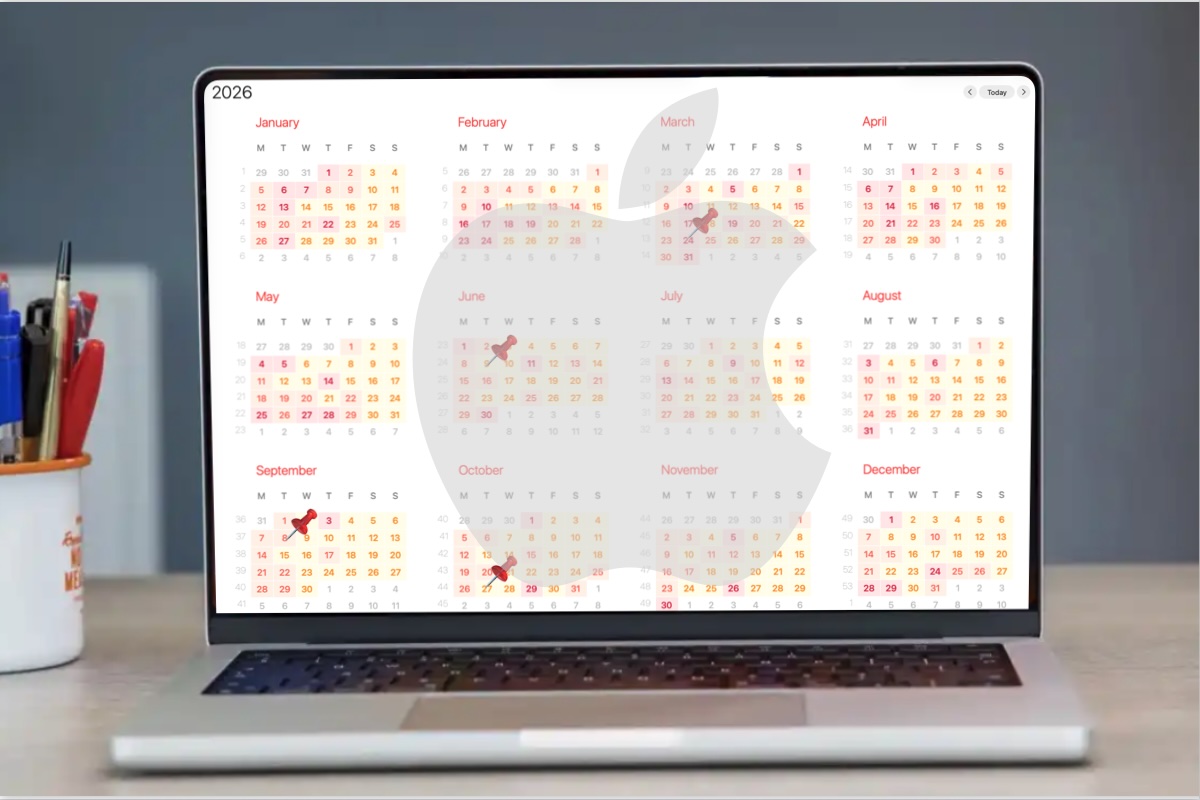
Here’s when the 2026 Apple events might take place.
Foundry
FAQ
1.
What will Apple announce at the next event?
Apple’s September event is the biggest and most watched Apple event of the year. It’s the venue at which Apple unveils the new iPhones and Apple Watches for the next year.
We expect Apple to launch the iPhone 18 Pro, iPhone 18 Pro Max, and Apple Watch Series 12 at a September event. Apple may also reveal the new folding iPhone, thought to be called the iPhone Ultra.
Rumors also point to a new and improved HomePod and Apple TV. The iPad and iPad mini are also overdue an update so may arrive at the same event.
We may also see updates to the Mac Studio and Mac mini.
2.
What time does the next Apple event start in U.S., U.K. and other global time zones
Apple keynotes usually start at 10 am PT. That translates to the following times in the countries where most of our readers live:
U.S.: 10 am PDT, 11 am MDT, 12 pm CDT, 1 pm EDT
Canada: as above, plus 2 pm ADT
U.K.: 6 pm
Europe: 7 pm CEST, 8 pm EEST
India: 10:30 pm IST
Australia: next day — 1 am AWST, 2:30 am ACST, 3 am AEST
New Zealand: next day — 5 am NZST
The timings are generally the same for all Apple Keynotes, but can be slightly different if Apple holds the event during the period of a couple of weeks when the clocks have changed in the U.S. but not elsewhere (in 2026 the clocks will change in the U.S. on November 1, while in the U.K. they change on October 25).
Sometimes Apple holds events at different times, for example, in October 2023 the event was held in late afternoon in San Francisco, which meant it was midnight in the U.K.
If Apple doesn’t hold an event and instead just issues a press release that usually happens around 8 am PT, 11 am ET and 4 pm U.K. time.
3.
How long do Apple events usually last?
Apple keynotes usually last between one and two hours and feature CEO Tim Cook along with various other Apple executives – with Apple’s John Ternus, stepping into the CEO role in September 2026, it is likely we will see more of Ternus in future keynotes.
WWDC and the September event tend to be longer keynotes; the spring and late-fall events can be slightly shorter.
For example, the September 2024 event was 1 hour 38 minutes.
4.
How often does Apple hold events?
There can be as many as four Apple events in a year:
Spring Event
WWDC in June
iPhone Event in September
Late Fall Event in October
This event calendar is by no means set in stone, though, with the spring and October events being less regular. Some years, Apple doesn’t hold a spring event at all. In 2025 Apple only held two events preferring instead to announce new products via press release.
5.
Does Apple take part in other events?
Apple doesn’t participate in big industry-wide events such as CES, IFA or E3. Instead Apple invites the press and industry professionals to Apple Park to hear all about its latest products and services. Apple calls these ‘events’ and it streams them live online to millions of viewers.
6.
Does Apple ever announce products without an event?
Apple frequently announces products without a keynote event, often opting for press releases or multi-day announcement windows. In recent years, the company has increasingly reserved its large-scale media events for major flagship launches, such as the primary iPhone lineup in September, while using press releases for iterative updates or “chip bumps” that may not warrant a full hour-long presentation.
7.
How to watch an Apple event
Apple events are typically broadcast across several digital platforms, allowing viewers to tune in from almost any device. While the company previously restricted access to its own hardware or the Safari browser, these barriers have been removed in recent years.
You can access live Apple presentations through the following official channels:
YouTube: This is often considered the easiest way to watch. Apple streams its keynotes live on its official YouTube channel, which can be accessed via any web browser or the YouTube app on smartphones, tablets, and smart TVs .
Apple.com: The company hosts a dedicated “Events” page on its official website. For the best experience on a PC, it is recommended to use Microsoft Edge on Windows 10 or later .
Apple TV App: The stream is available within the Apple TV app on iPhone, iPad, Mac, and Apple TV hardware. Keynotes are usually listed in the app’s lineup a day or two before the event begins .
Apple Podcasts: Apple also showcases its events through the Podcasts app on Apple devices, where you can watch the video presentation
You may also like to tune in to our Live Blog which will provide minute-by-minute text updates and analysis as products are announced.
Following the end of the event, detailed breakdowns will also be available on the Macworld Podcast, which can be found on Spotify, Soundcloud, and Apple Podcasts.
When is the iPhone 18 event and what will launch?
Apple
When is the iPhone event?
September 2026 (TBC)
Apple’s iPhone launch event has become a regular fixture in September (aside from 2020 event when it was delayed until October – and the early January launches).
In recent years the event has been held on September 9, so we could see Apple make the unveiling in the week of September 7 in 2026, with the event perhaps taking place on September 8 or 9.
What will Apple launch at the September 2026 event?
We can be pretty confident that at least one new iPhone will launch in late 2026, although there may be some changes to the line up: we may see the iPhone 18 Pro, Pro Max launch in September, but the iPhone 18 may be held back until the spring of 2027. There are also rumors of a folding iPhone – aka iPhone Ultra launching in September.
Alongside the new iPhone 18 Pro we may see new Apple Watches. In 2026 the Apple Watch Series 12 should get a chip update, since the Series 11 is using the same chip as the Series 10 did. The Apple Watch Ultra 4 is said to be getting a fingerprint scanner.
Apple is also rumored to have some upgrades coming to the HomePod and Apple TV to better equip them for Siri AI.
Find out more about the September iPhone event in our dedicated article.
Will Apple have a second fall event in 2026?

Apple
Will there be a late fall event in 2026
The last time Apple held a late fall event was October 30, 2023, and before that October 18, 2021. So a late fall event isn’t unprecedented, but it is uncommon. Right now there is no way of knowing if Apple will hold a late fall event in 2026, or indeed, if it ever will again. Usually this event is to launch consumer Macs, but in recent years Apple hasn’t felt the need to hold an event to do that. Nearer the time we will know if there are big things planned that might warrant an event.
What will Apple launch at the late fall 2026 event?
Mac or iPad launches are the most likely reasons for an Apple event during this timeframe, but Apple has not felt the need to hold a dedicated Mac event since the “Scary Fast” presentation in 2023, when it introduced the M3, M3 Pro, and M3 Max chips alongside updated MacBook Pro models. There could still be Mac-related announcements this year, particularly if Apple has yet to refresh the Mac mini or Mac Studio. The rumored touchscreen MacBook Pro could also make an appearance.
The timing of any new Mac releases will likely depend on whether the supply chain has fully recovered from the component shortages that have affected the industry throughout the year. These shortages have also lead Apple to raise prices for iPads and Macs.
As for iPads, a new iPad or iPad mini are long overdue, so an October event would be a likely venue for those launches, if they don’t arrive in September.
For more information about Apple’s late fall events read: Apple’s October Event: Date, time and what will launch.
Will Apple hold a spring event in 2027?

Michael Simon / Foundry
Apple’s spring events have become increasingly unpredictable. The company has not held a traditional spring event since May 2024, although it did invite members of the media, including Macworld, to a “Special Apple Experience” in 2026.
Rather than a keynote presentation, the March 4, 2026 gathering was a hands-on showcase that followed three days of product announcements, including the MacBook Neo, iPhone 17e, and M5 MacBook Air.
Will Apple take a similar approach to spring product launches in 2027? It’s certainly possible. The format appeared to work well, allowing each product announcement to receive its own media coverage rather than competing for attention during a single event.
Apple is expected to Apple will release three iPhone models in spring 2027:
iPhone 18 (base model)
iPhone 18e
iPhone Air 2
Apple may also update the MacBook Air with an M6 processor in spring 2027. A report from early August 2026 notes that Apple is currently struggling with memory shortages that are impacting MacBook Air stock, and the M6 update is seen as a potential, though not guaranteed, fix for the supply issues.
When is WWDC 2027
Foundry
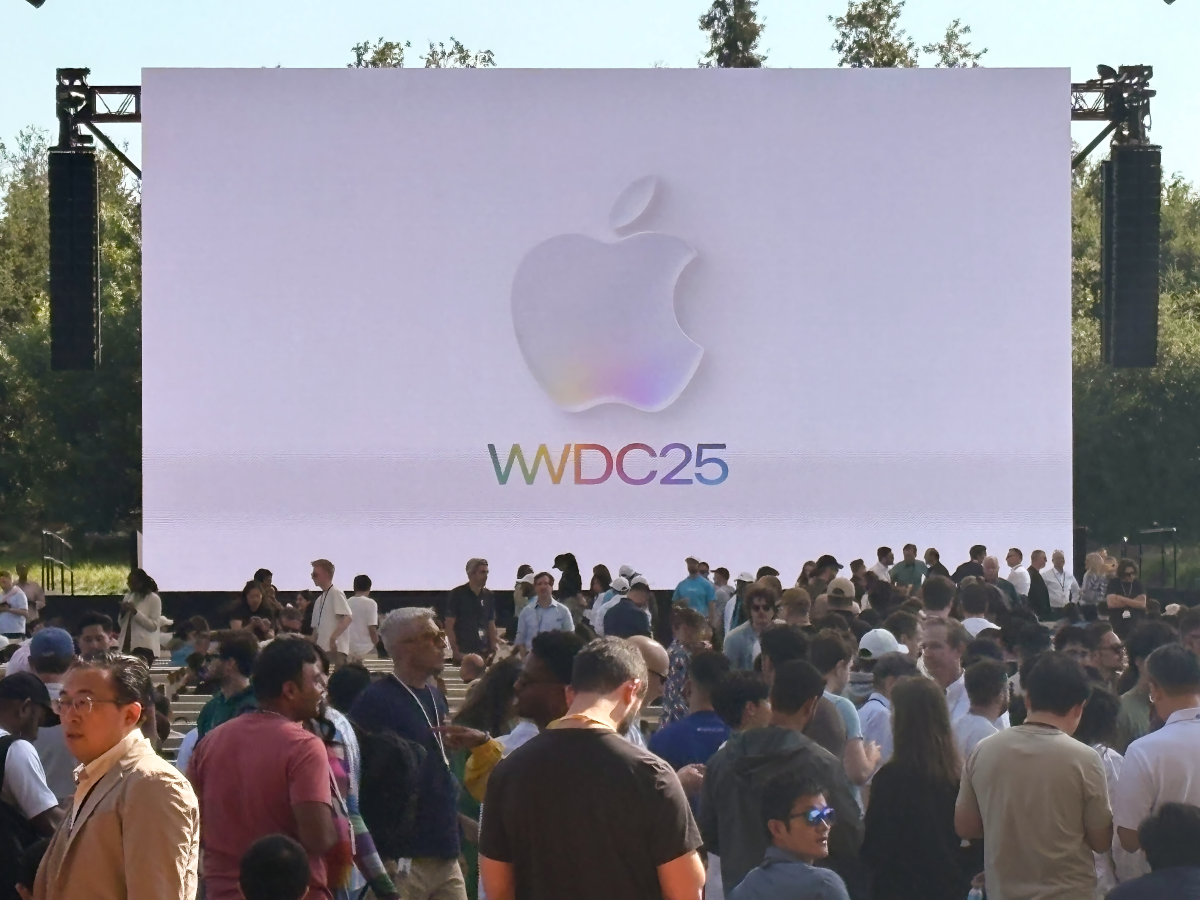
When is the WWDC keynote?
In 2026 the WWDC keynote was on Monday June 8. In 2025 it started on Monday June 9. We expect WWDC will start on Monday 7 June in 2027.
WWDC generally runs from the Monday to Friday in the second week of June.
What Apple could launch at WWDC
WWDC is Apple’s big developer event at which it reveals plans for the operating systems that run on Apple hardware.
In June 2027 we expect Apple to unveil details of the iOS 28, iPadOS 28, the new macOS 28, updates to watchOS, tvOS, HomePod software, and an update to Apple’s realityOS.
Apple sometimes announces new hardware at WWDC, usually the high end models targeted at power users, so we could see new Macs.
Following the keynote on the Monday, developer events and sessions will run throughout the week. You can read more about WWDC date, times and everything you need to know in a separate article.
What did Apple launch at past events
So far in 2026 Apple has held an ‘experience’, which rather than being an event in the traditional sense, was a chance for journalists to get a look at products Apple had launched in the days prior, including MacBook Neo and iPhone 17e. The company also hosted the WWDC keynote on June 8, at which it revealed it’s plans for Apple Intelligence and Siri in iOS 27, macOS 27 and the other operating systems.
In 2025 Apple only held two events. The first was its Worldwide Developers Conference (WWDC) on June 9, at which it introduced the new features coming in the next version of its operating systems, and the second was the huge September 9 Apple Event where it launched new Apple Watches, new AirPods Pro and the new iPhones for 2025.
Apple doesn’t have to hold an event to launch new products though. Prior to WWDC, Apple launched a new iPhone 16e via press release on February 19, a new iPad and iPad Air via press release on March 4, and a new MacBook Air and Mac Studio on March 5.
Apple then went on to launch a new M5 MacBook Pro and M5 iPad Pro in October. No event was held to mark these launches.
In 2024, Apple held three events: one on Tuesday, May 7, at which it launched new iPads; a keynote to kick off WWDC on June 10; and an event on September 9 at which Apple unveiled the new iPhone 16, Apple Watch Series 10 and the AirPods 4. In October 2024 there was no event, but Apple did announce new products (iMac, Mac mini and MacBook Pro) via press release.
In 2023 there were three events: WWDC in June, an iPhone event in September, and Apple’s second fall event on October 30 (or after midnight on October 31 if you weren’t in the U.S.).
In 2022 Apple held three events: a spring event on March 8, WWDC on June 6, and the iPhone 14 launch on September 7. In other years Apple has held four events though.
Foundry
When were Apple’s past events?
Spring Apple events have been held on the following dates:
2026: ‘Experience’ Wednesday March 4
2025: No event
2024: Tuesday May 7
2023: No event
2022: Tuesday March 8
2021: Tuesday April 20
2020: No event
2019: Monday March 25
2018: Tuesday March 27
2017: No event
2016: Monday March 21
2015: Monday March 9
2014: No event
2013: No event
2012: Wednesday March 7
WWDC events have fallen on the following dates:
WWDC 2026: June 8 (8-12)
WWDC 2025: June 9 (9-13)
WWDC 2024: June 10 (10-14)
WWDC 2023: June 5 (5-9)
WWDC 2022: June 6 (6-10)
WWDC 2021: June 7 (7-11)
WWDC 2020: June 22 (22-26)
WWDC 2019: June 3 (3-7)
WWDC 2018: June 4 (4-8)
WWDC 2017: June 5 (5-9)
Here are the past few Apple September event dates:
2025: Tuesday, September 9
2024: Monday, September 9
2023: Tuesday, September 12
2022: Wednesday, September 7
2021: Tuesday, September 14
2020: Tuesday, September 15
2019: Tuesday, September 10
2018: Wednesday, September 12
2017: Tuesday, September 12
In the past, Apple has held a second fall event on the following dates:
2025: No event
2024: No event
2023: Monday, October 30
2022: No event
2021: Monday, October 18
2020: Tuesday, October 13 and Tuesday, November 10
2019: No event
2018: Tuesday, October 30
2017: No event
2016: Thursday, October 27
2015: No event
2014: Thursday, October 16
2013: Tuesday, October 22
2012: Tuesday, October 23
2011: Tuesday, October 4
]]> This is what it feels like buying RAM these days.It’s been a long time since RAM pricing at retail has been something that we’ve needed to keep an eye on. We still don’t need to track sales on DIMM sticks, given how Apple sells and packages RAM on the chip. What you buy initially is what you will end with.But it is a good bellwether of where the industry stands. Continue Reading on AppleInsider | Discuss on our Forums
]]>
This is what it feels like buying RAM these days.It’s been a long time since RAM pricing at retail has been something that we’ve needed to keep an eye on. We still don’t need to track sales on DIMM sticks, given how Apple sells and packages RAM on the chip. What you buy initially is what you will end with.But it is a good bellwether of where the industry stands. Continue Reading on AppleInsider | Discuss on our Forums
]]>
Apple has restricted the number of potentially dangerous software bugs researchers can submit to its internal security team, as it faces a deluge of reports from people using AI models to identify alleged risks, according to reporting by Tom Wilson in London and Michael Acton in San Francisco for Financial Times.
The Cupertino-based tech giant told the FT it had moved in June to limit the high volume of requests it was receiving, with its review system coming under pressure from “AI slop” reports that can hallucinate security risks in its software.
Apple is grappling with an industry-wide phenomenon in which generative AI tools are transforming the cyber security arms race. This has produced both an increase in the detection of real security flaws and a wave of poor-quality submissions from amateur bug hunters using AI, the company said.
The shift in Apple’s approach was highlighted by Italian cyber security start-up Bynario, which told the FT it had used OpenAI’s ChatGPT to identify more than 50 bugs in the latest version of the Mac operating system in just three weeks. Among them was one of the most serious types of vulnerability—a privilege escalation exploit chain that could allow an attacker to seize full control of an Apple computer by gaining unrestricted access to the system.
“It is a very difficult time in the industry,” said Alfredo Pesoli, Bynario’s CEO and co-founder. “Maintainers and vendors have been flooded by the sheer amount of bugs [being found].”
Apple told the FT that it is now in contact with Bynario and reviewing its submissions. The company has introduced a cap and a 30-day cool-off period on submissions through its internal security portal, requiring users to request an increased quota. Each alleged security issue still requires human review to confirm, although Apple is also using AI internally to help triage the surge.
“With the growing volume of AI-generated security submissions across the industry, we recently adjusted the number of new reports a researcher can have open at once,” Apple said in a statement. Researchers can request an increase to that limit at any time to ensure critical reports reach its security teams.
MacDailyNews Take: Overwhelmed.
Please help support MacDailyNews — and enjoy subscriber-only articles, comments, chat, and more — by subscribing to our Substack: macdailynews.substack.com. Thank you!
Support MacDailyNews at no extra cost to you by using this link to shop at Amazon.
The post Apple limits bug bounty programs as it struggles to keep pace with ‘AI slop’ hunters appeared first on MacDailyNews.
]]>
Listen to a recap of the top stories of the day from 9to5Mac. 9to5Mac Daily is available on iTunes and Apple’s Podcasts app, Stitcher, TuneIn, Google Play, or through our dedicated RSS feed for Overcast and other podcast players.
Sponsored by Backblaze: Backup you can rely on. Save 20% with code 9to5daily.
]]>Wireless headphones or earbuds (whatever you call them) are essentially the standard now, with Bluetooth earbuds being convenient and the sound quality difference to wired not being that noticeable to typical people (we realize audiophiles ‘know’).
The market is huge, but here are the best wireless earbuds we’ve tested for iPhone, iPad, Apple Watch and Macs. If you do want a wired connection some of these do offer it in addition to Bluetooth, but we also have a round-up of the best wired headphones and a comparison of over-ear headphones read our comparison of AirPods Max vs other over-ear headphones. We also have a comparison of all the AirPods.
When testing these best earbuds we considered some of the important factors to consider when choosing headphones. Such as whether they support ANC, which is Apple’s codec, or the aptX codec that is now used with many Bluetooth headphones and earbuds, but isn’t supported by Apple (although there are some earbuds, such as the B&W Pi8 below that include a transmitter for aptX support. We explain what to look for when choosing earbuds below.
Best headphones and earbuds for iPhone 2026
PROMOTION
Baseus MC2: All-Day Ease, $49.99 now!

The best earbuds are the ones you forget you’re wearing. MC2 stays easy on your ears with CloudComfort 2.0. Enjoy up to 55 hours of listening and IP67 protection for sweat, rain, and everyday plans. Use code MC2OWSPR at checkout.
Unlock the Lowest Price
We’re comparing all the best earbuds with Apple’s own offerings: the AirPods Pro 3, AirPods 4 and AirPods 4 with ANC. Also included are various options from Apple-owned subsidiary Beats, which by association benefits from a lot of Apple-specific features. But just how well do they compete with headphones from the likes of Bose, Sennheiser, Bowers & Wilkins and Sony?
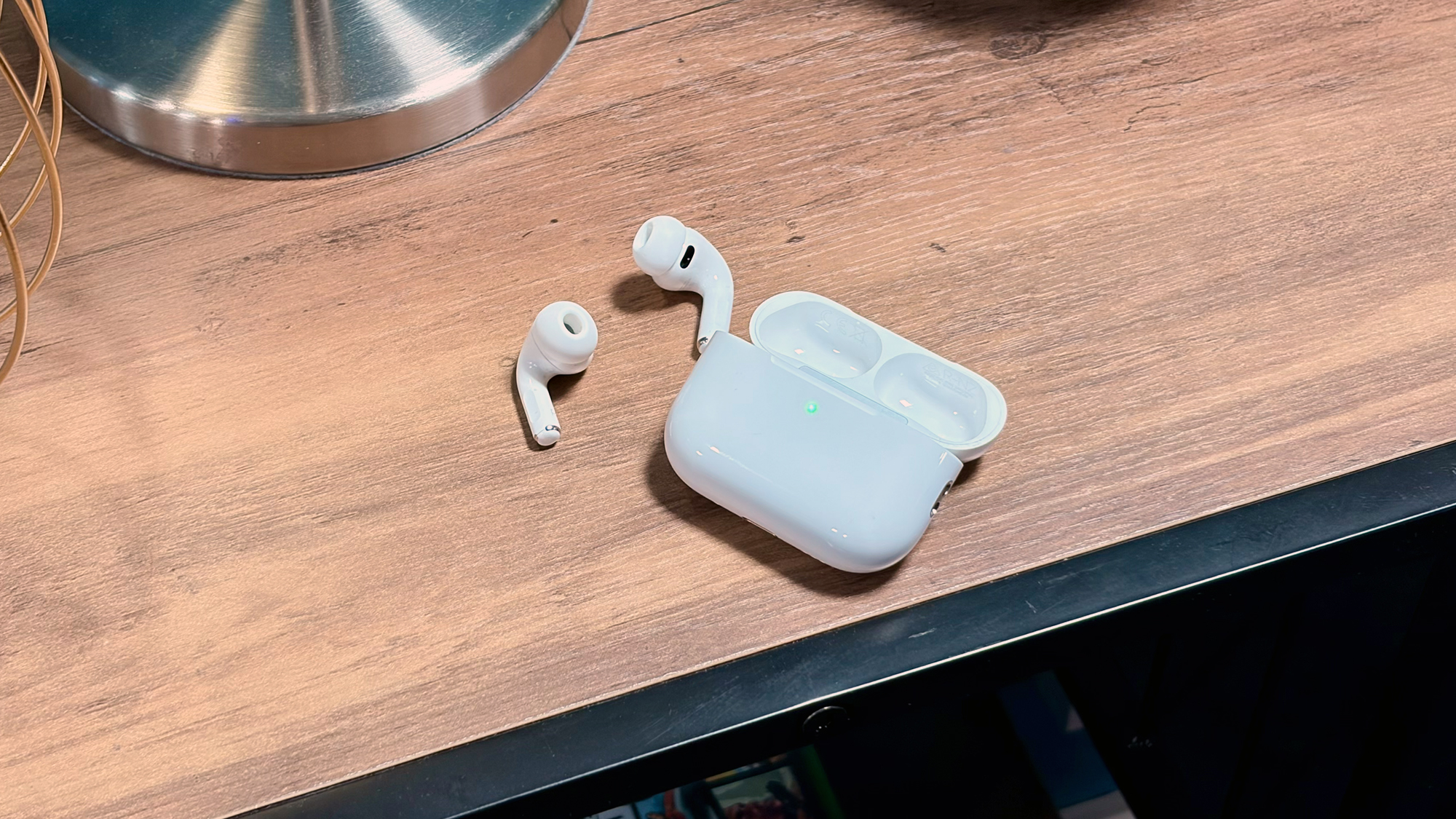
1. Apple AirPods Pro 3rd-generation (2025) – Best earbuds for iPhone
Pros
Excellent comfort and secure fit
Improved sound and bass
Outstanding active noise cancellation
Accurate workout heart-rate tracking
Cons
Few major new features
Charging case stores less
Limited upgrade over Pro 2
Price When Reviewed:
$249
Best Prices Today:
Retailer
Price

Check on Amazon
Product
Price
Apple AirPods Pro 3 are premium true wireless earbuds from Apple. Released in September 2025, they add heart-rate monitoring, foam-infused eartips, stronger ANC, improved sound, longer battery life and IP57 water resistance.
Why we like them
The AirPods Pro 3 refine an already excellent formula with noticeably better comfort, stronger noise cancellation, richer sound and longer battery life while keeping the same launch price. Heart-rate tracking is a useful bonus, making them an easy recommendation for most Apple users.
Who are they best for
They’re ideal for iPhone users wanting premium wireless earbuds with excellent noise cancellation, secure all-day comfort and seamless Apple ecosystem integration. They’re especially appealing for fitness enthusiasts who can benefit from the new built-in heart-rate monitoring.
What are the biggest strengths
More comfortable foam-infused eartips with five sizes
Excellent fit that stays secure during exercise
Improved sound with deeper bass and wider soundstage
Significantly stronger ANC and better Transparency mode
Accurate heart-rate monitoring during supported workouts
Longer battery life without a price increase
What are the compromises
Few genuinely new audio innovations
Uses the same H2 chip as before
Charging case stores less reserve power
Existing AirPods Pro 2 owners gain limited benefits
New eartips aren’t compatible with older models
Heart-rate tracking only works during workouts
What is battery life like
Battery life increases to around eight hours with ANC enabled, while the case provides roughly 16 additional hours. A five-minute charge delivers about one hour of listening time.
How good is the ANC
Active Noise Cancellation is substantially improved, thanks to new microphones, redesigned eartips and computational enhancements. Apple claims twice the ANC of the previous generation, with noticeably better Transparency mode too.
Verdict
The AirPods Pro 3 aren’t a revolutionary upgrade, but they successfully improve almost every aspect of Apple’s best earbuds. Better fit, stronger noise cancellation, richer sound, longer battery life and useful heart-rate tracking make them easy to recommend. AirPods Pro 2 owners may not need to upgrade immediately, but everyone else gets one of the best premium wireless earbuds available.
Read our full
Apple AirPods Pro 3 review
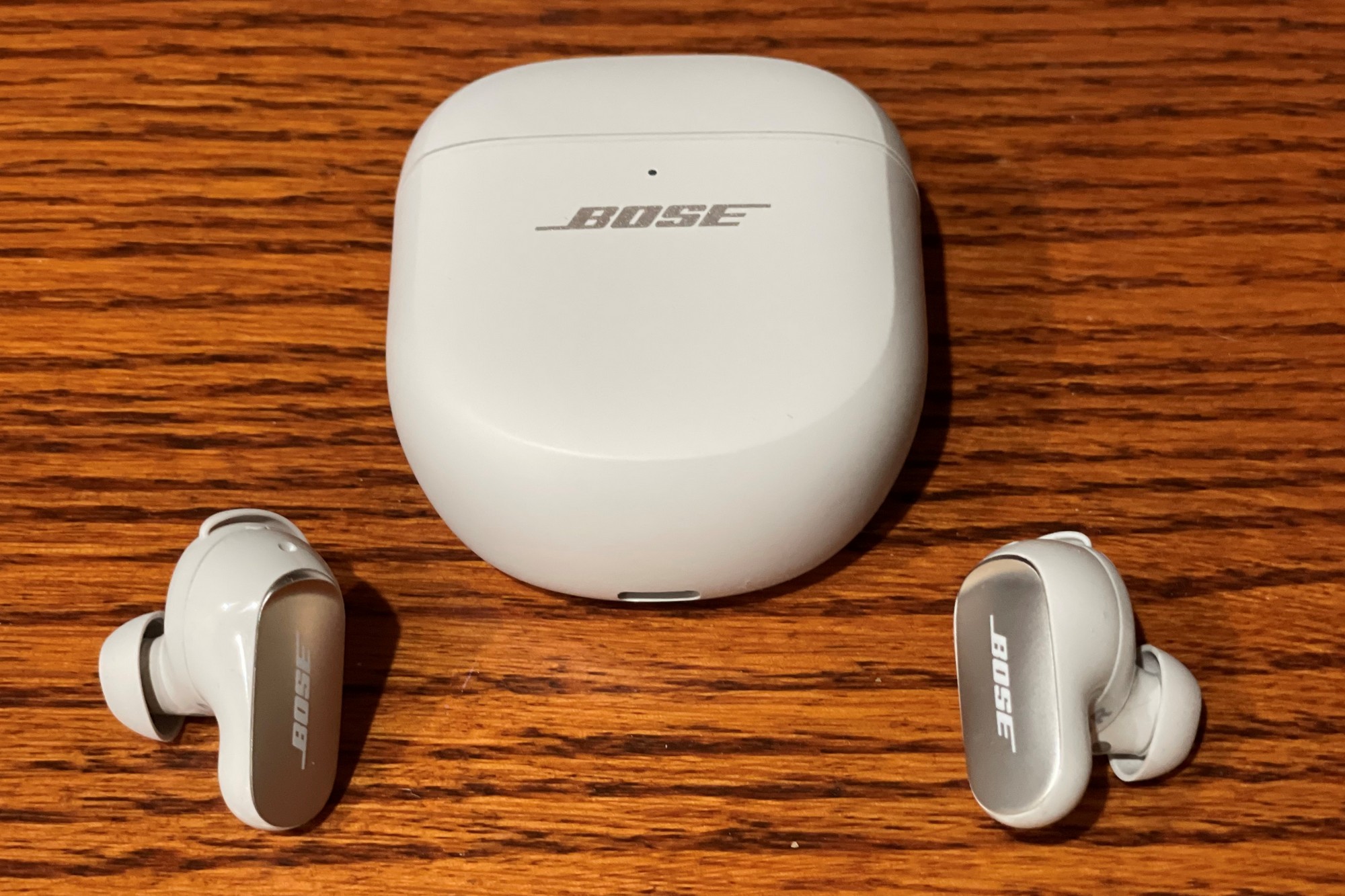
2. Bose QuietComfort Ultra Earbuds – Best earbuds for noise cancellation
Pros
Class-leading noise cancellation
Detailed, lively sound
Secure, comfortable fit
Excellent companion app
Cons
Wireless charging costs extra
Spatial audio drains battery
Premium price
Price When Reviewed:
$299.99
Best Prices Today:
Retailer
Price

$299
View Deal
Bose
$299
View Deal

$299.99
View Deal
Product
Price
The Bose QuietComfort Ultra Earbuds are premium true wireless earbuds from Bose, featuring class-leading active noise cancellation, immersive spatial audio, customisable ear tips and stability bands, plus app-based fit testing.
Why we like them
The QuietComfort Ultra Earbuds combine outstanding active noise cancellation with detailed, engaging sound that reveals subtle musical details. They’re comfortable thanks to multiple ear tip and stability band options, while the Bose app helps achieve the best possible fit for consistently excellent listening.
Who are they best for
They’re ideal for frequent travellers, commuters and anyone who wants exceptional noise cancellation without sacrificing sound quality. They also suit listeners who value a secure fit and don’t mind paying a premium for top-tier performance.
What are the biggest strengths
Industry-leading active noise cancellation dramatically reduces aircraft engines and other low-frequency sounds.Rich, detailed audio with impressive clarity across bass, vocals and instruments.Comfortable, secure fit with multiple ear tip and stability band combinations.Helpful Bose app includes a Seal Test for optimal fit.
What are the compromises
Premium pricing compared with many rivals, even with regular discounts.Wireless charging requires purchasing a separate optional charging case.Immersive Audio mode is only moderately convincing for spatial sound.Battery life falls noticeably when using spatial audio features.
What is battery life like
Battery life reaches around six hours with active noise cancellation enabled, dropping to roughly four hours when using Immersive Audio. The charging case supplies approximately three additional full charges.
How good is the ANC
The active noise cancellation is among the very best available, suppressing deep aircraft engine noise so effectively it can seem almost silent, making travel and commuting significantly more comfortable.
Verdict
The Bose QuietComfort Ultra Earbuds remain one of the strongest premium true wireless options thanks to exceptional active noise cancellation, detailed sound quality and a secure, comfortable fit. They’re expensive and the optional wireless charging case feels unnecessary at this price, but frequent discounts make them easier to recommend, especially for travellers and regular commuters seeking best-in-class ANC.
Read our full
Bose QuietComfort Ultra Earbuds review
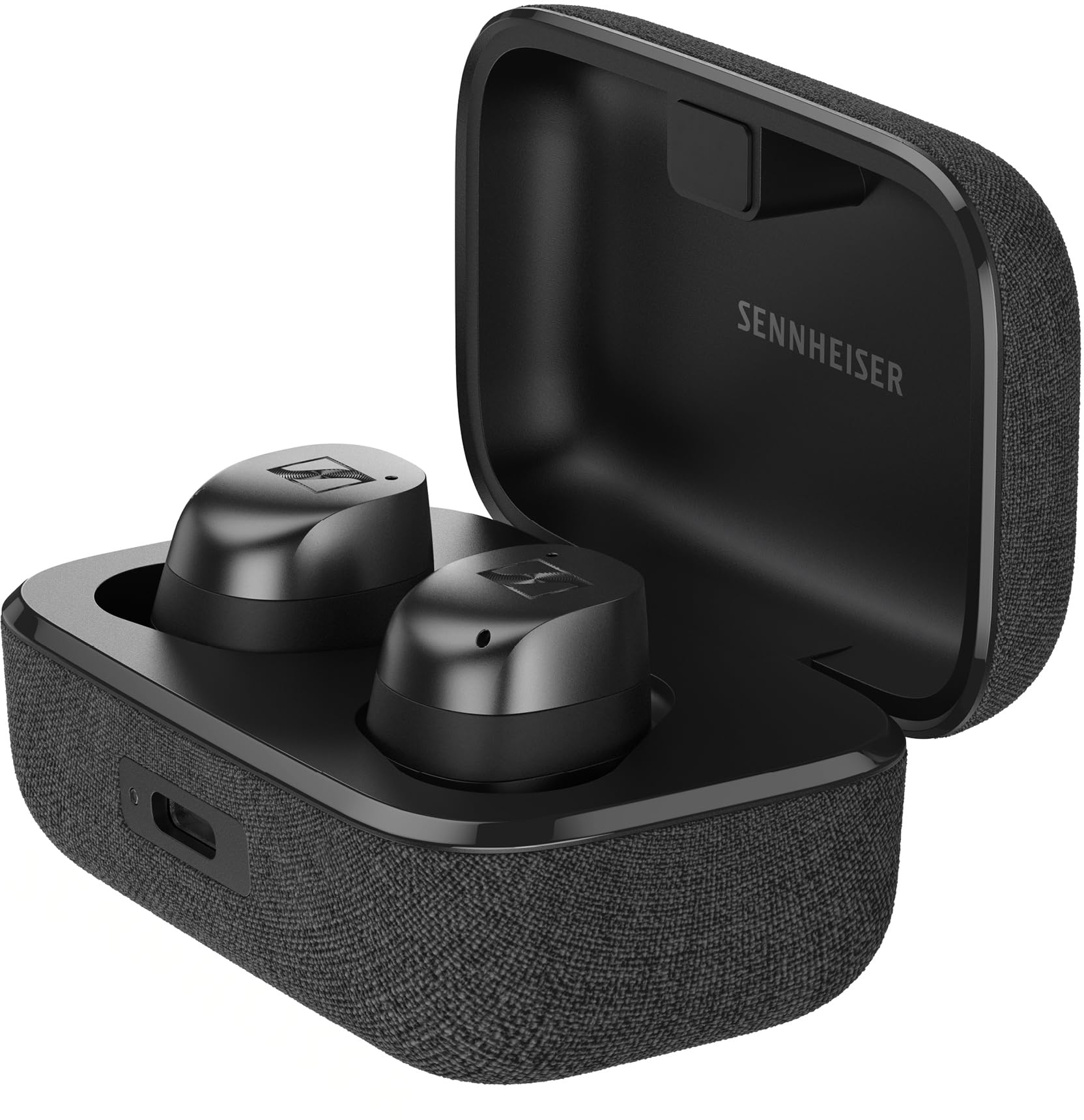
3. Sennheiser Momentum True Wireless 4 – Best earbuds for working out
Pros
Outstanding detailed sound
Excellent sound customisation
Future-ready Bluetooth features
Improved battery protection
Cons
Bulky charging case
ANC trails class leaders
iPhone misses key features
Price When Reviewed:
$299.95
Best Prices Today:
Retailer
Price
$179.95
View Deal

$179.95
View Deal
$179.95
View Deal

$179.95
View Deal
$179.99
View Deal
Sennheiser
$299.95
View Deal
View more prices
Product
Price
The Sennheiser Momentum True Wireless 4 are premium wireless in-ear earbuds from German audio specialist Sennheiser. They feature Bluetooth 5.4, Auracast support, IP54 protection, wireless charging and 7mm True Response drivers.
Why we like them
The Momentum True Wireless 4 deliver exceptionally balanced, detailed audio with rich bass, crisp highs and extensive sound customisation. Improved battery life, better durability and support for future Bluetooth technologies make them an excellent long-term choice, while strong noise cancellation and a secure fit add everyday versatility.
Who are they best for
They’re ideal for music lovers who prioritise sound quality above everything else, especially Android users who can benefit from advanced Bluetooth features. They’re also well suited to commuters, travellers and fitness users wanting premium audio and a secure fit.
What are the biggest strengths
Outstanding, highly detailed sound with rich bass and clear mids and highs.
Extensive personalisation via 5-band EQ, Sound Check and custom controls.
Bluetooth 5.4 adds Auracast, aptX Lossless and LC3 for future compatibility.
Secure fit with multiple ear tips and fins plus durable IP54 dust and water resistance.
What are the compromises
Active noise cancellation is good but still behind Bose, Sony and AirPods Pro.
iPhone users cannot currently benefit from most new Bluetooth 5.4 features.
Charging case remains noticeably larger than many competitors.
Design is virtually unchanged from the previous generation and may feel dated.
What is battery life like
Battery life reaches around seven hours with ANC enabled, extending to roughly 30 hours using the charging case. An eight-minute quick charge provides approximately one hour of playback.
How good is the ANC
Noise cancellation is effective for everyday commuting and travel, reducing most background noise well. However, it doesn’t quite match class-leading rivals like Bose, Sony or Apple’s AirPods Pro, particularly in windy conditions.
Verdict
The Sennheiser Momentum True Wireless 4 are among the best-sounding premium wireless earbuds available, combining superb audio quality with impressive customisation, improved durability and future-focused Bluetooth technology. Android users benefit most from the new features, while iPhone owners gain fewer advantages over the previous model. If sound quality is your top priority, they’re an outstanding choice despite slightly behind-the-pack ANC.
Read our full
Sennheiser Momentum True Wireless 4 In-ear review
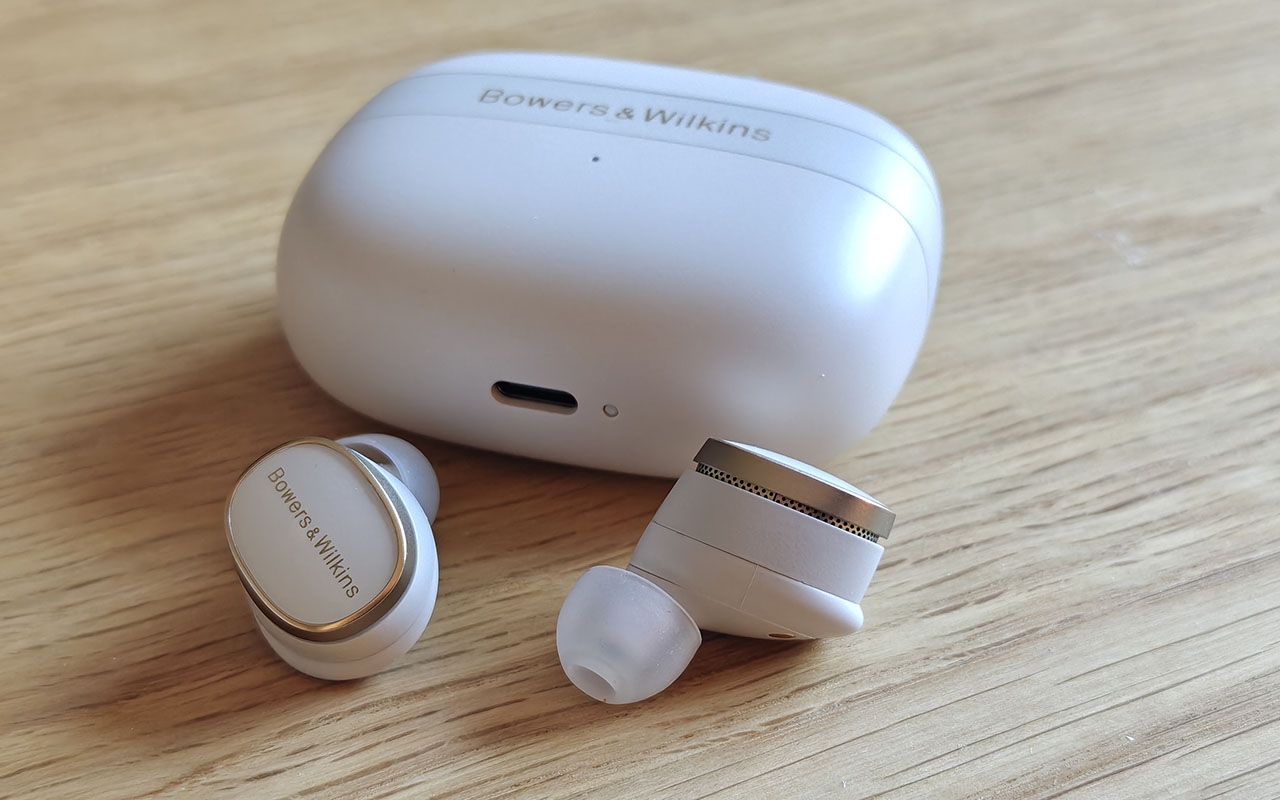
4. Bowers & Wilkins Pi8 – Best for aptX sound
Pros
Exceptional sound quality
Innovative smart charging case
aptX Lossless support
Comfortable redesigned fit
Cons
Premium price tag
Average battery life
Large earpieces
Price When Reviewed:
$399
Best Prices Today:
Retailer
Price

$399
View Deal
Bowers & Wilkins
$399
View Deal
$489.99
View Deal
$499
View Deal
$499
View Deal
View more prices
Product
Price
The Bowers & Wilkins Pi8 are premium true wireless earbuds from British audio specialist Bowers & Wilkins. Their standout smart charging case doubles as an aptX transmitter for wired devices and Apple products.
Why we like them
The Pi8 combine superb hi-fi sound with a genuinely innovative charging case that unlocks higher-quality aptX audio from Apple devices and wired sources. Their redesigned fit improves comfort, while powerful 12mm drivers deliver rich, detailed sound that stands out from most premium wireless earbuds.
Who are they best for
They’re ideal for audiophiles and frequent travellers who prioritise outstanding sound quality over price. Apple users wanting better-than-AAC wireless audio and anyone regularly using in-flight entertainment systems will especially appreciate the versatile smart case.
What are the biggest strengths
Outstanding, detailed and dynamic sound quality
Unique smart case retransmits wired audio wirelessly
Supports AAC, aptX Adaptive and aptX Lossless
Comfortable redesigned shape with four ear-tip sizes
Large 12mm drivers deliver powerful, refined performance
Excellent low-frequency noise reduction for travel
What are the compromises
Significantly more expensive than many rivals
Battery life is respectable rather than class-leading
Earpieces remain relatively large
ANC trails AirPods Pro for higher-frequency sounds
Smart case benefits may be unnecessary for casual listeners
Pi6 offers similar experience for less if aptX retransmission isn’t needed
What is battery life like?
Battery life reaches up to 6.5 hours per charge with ANC enabled, while the smart charging case extends total listening time to around 20 hours between mains charging.
How good is the ANC?
Noise cancellation is very effective, especially against low-frequency sounds like aircraft engine rumble. However, it doesn’t suppress higher-frequency background noise quite as effectively as Apple’s AirPods Pro.
Verdict
The Bowers & Wilkins Pi8 are premium earbuds aimed squarely at listeners who value sound quality above all else. Their excellent audio performance, comfortable redesign and genuinely innovative smart charging case justify much of the high asking price. Battery life and ANC are good rather than class-leading, but the Pi8 remain among the most compelling luxury true wireless earbuds available.
Read our full
Bowers & Wilkins Pi8 review
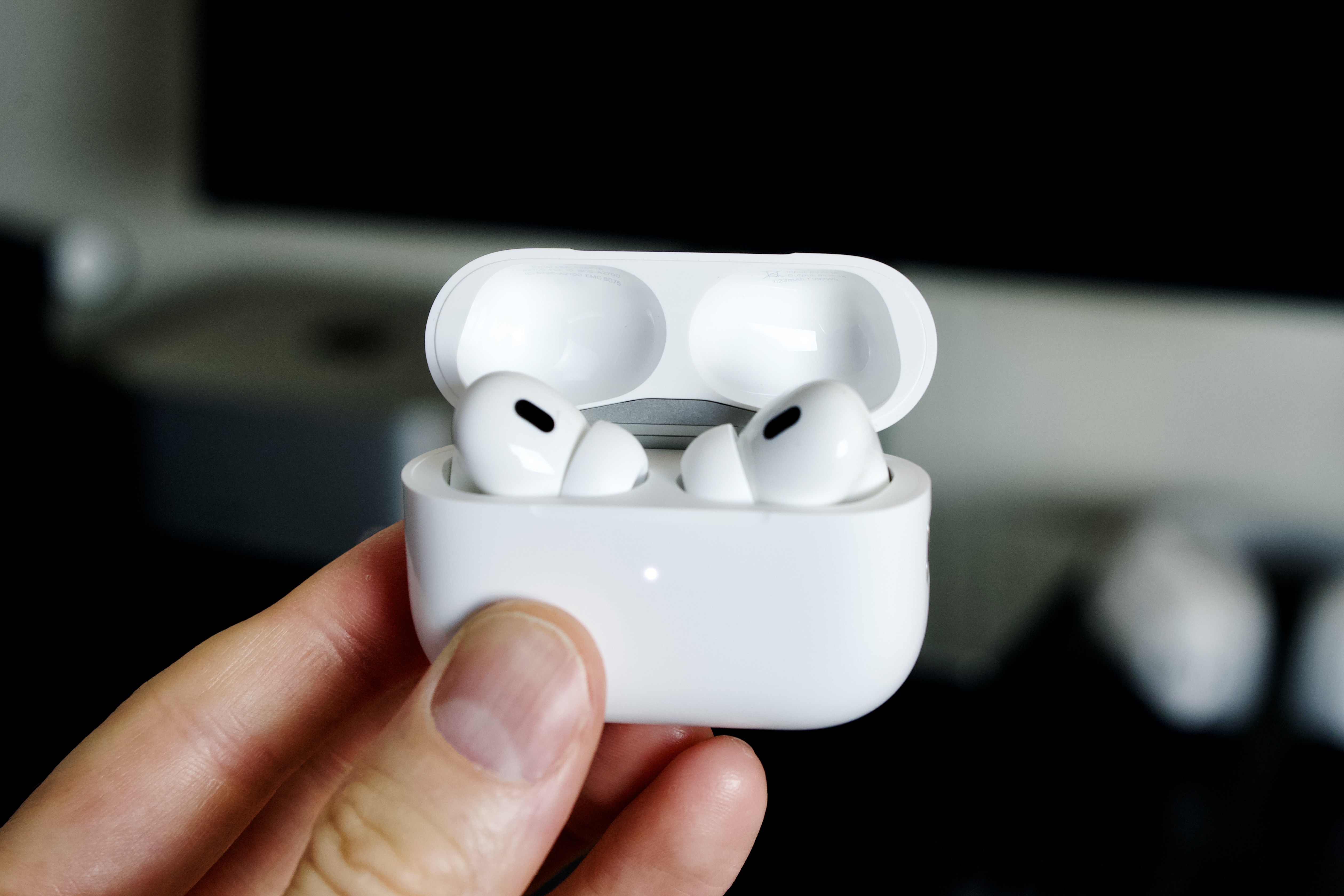
5. Apple AirPods Pro 2nd-generation (2023) – Best value AirPods
Pros
Excellent sound quality
Outstanding noise cancellation
Class-leading transparency mode
Useful Apple ecosystem features
Cons
No lossless audio
Premium purchase price
Stem controls feel fiddly
Price When Reviewed:
$249
Best Prices Today:
Retailer
Price
$92
View Deal
$234
View Deal

$249
View Deal
$249.99
View Deal
$263.86
View Deal
View more prices
Product
Price
The AirPods Pro 2 might have been officially discontinued by Apple when the AirPods Pro 3 arrived, but we still see them for sale offering outstanding value for most buyers. That’s why they are still on our list. Despite the arrival of the new AirPods Pro, these are still premium true wireless noise-cancelling earbuds. They feature the H2 chip, USB-C charging case, hearing health features, swipe volume controls and seamless integration with Apple devices.
Why we like them
While the AirPods Pro 3 introduce improvements such as better ANC, longer battery life, heart-rate tracking and a more secure fit, many of the software features people use every day – such as Hearing Aid, Live Translation, Conversation Awareness and Adaptive Audio – are also available on the AirPods Pro 2 through software updates.
Who are they best for
They are best for iPhone, iPad and Mac users wanting premium everyday earbuds with strong ANC, comfortable all-day wear and effortless Apple ecosystem integration. Frequent travellers, commuters and users interested in hearing health features will benefit most.
What are the biggest strengths
Richer, clearer sound with significantly stronger bass
Excellent Active Noise Cancellation for travel and commuting
Best-in-class Transparency mode with Adaptive Transparency
Comfortable fit with four ear tip sizes, including XS
Handy swipe volume controls on each earbud
Deep Apple ecosystem integration with useful smart features
What are the compromises
More expensive than many rivals
Better pure sound quality available elsewhere
No lossless, hi-res or LE Audio support
Stem swipe controls can be awkward
Most advanced features require Apple devices
Six-hour battery trails some competitors
What is battery life like
Battery life is rated at up to six hours of listening from the earbuds on a charge, with around 24 hours total using the charging case. Apple Watch charging is also supported.
How good is the ANC
Active Noise Cancellation is excellent, blocking substantially more outside noise than the original AirPods Pro. Adaptive Transparency intelligently reduces sudden loud sounds while still allowing important environmental sounds to remain audible.
Verdict
The AirPods Pro 2 remain among the best premium wireless earbuds for Apple users. They combine impressive sound quality, highly effective ANC, exceptional transparency mode and excellent ecosystem integration in a comfortable, refined package. While audiophiles can find better-sounding alternatives and battery life isn’t class-leading, the overall user experience is polished, reliable and difficult to beat within Apple’s ecosystem. As long as you can find them on sale.
Read our full
AirPods Pro 2 USB-C review
6. Apple AirPods 4 with ANC – Best AirPods for most people
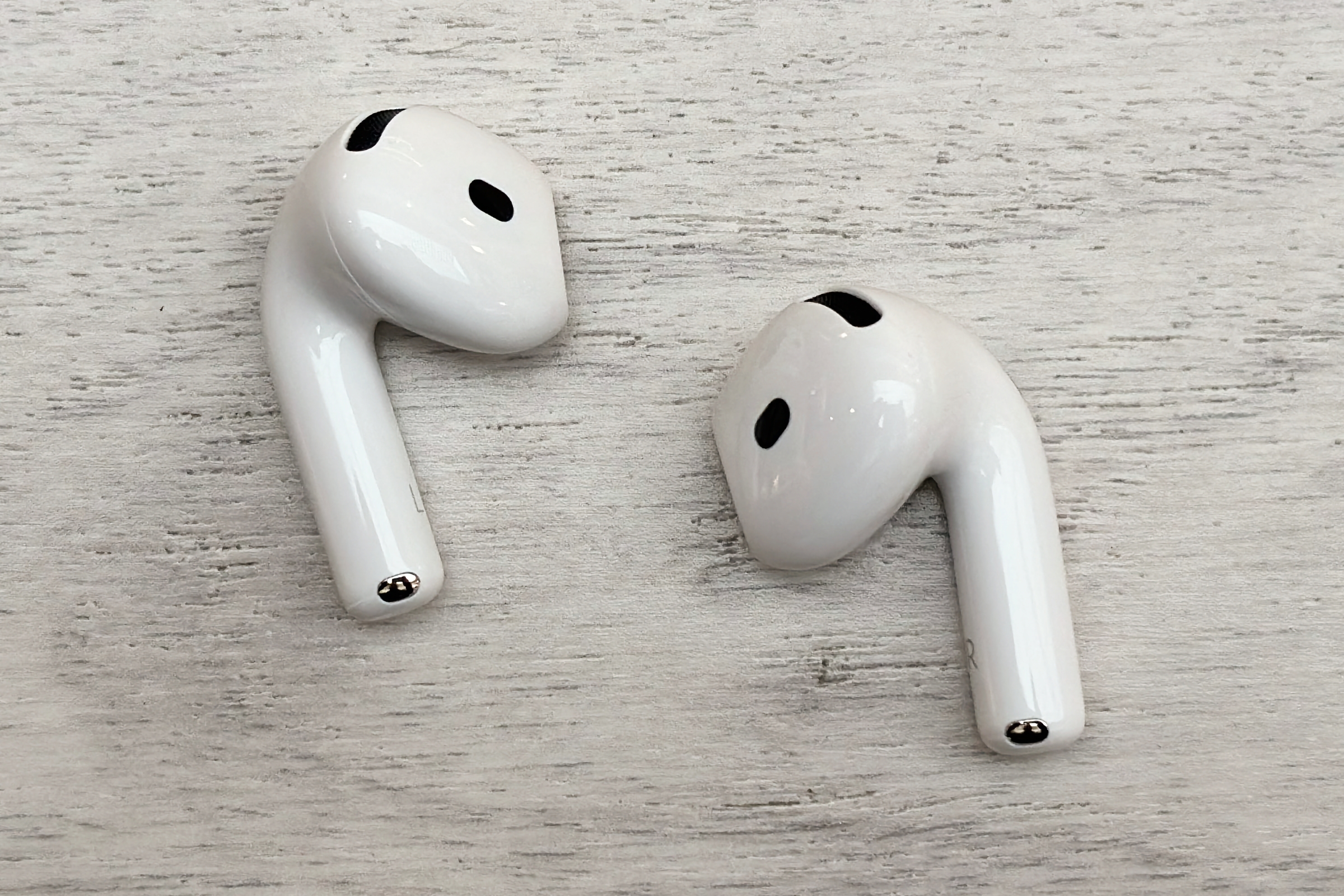
Pros
Excellent overall sound quality
Effective active noise cancellation
Improved, more comfortable fit
Useful wireless charging caser
Cons
Fit varies by user
ANC limited by open design
Close to Pro pricing
Price When Reviewed:
$179 with Active Noise Cancelation
Best Prices Today:
New
Refurbished
Retailer
Price
$91
View Deal
$148.99
View Deal
$149.99
View Deal
$149.99
View Deal
$169
View Deal
$171.5
View Deal

$179
View Deal
$179
View Deal

$179
View Deal
View more prices
Product
Price
Apple AirPods 4th gen (2024) – Wireless (USB-C) Charging case
$Not Available
View Deal
Apple AirPods 4 with Active Noise Cancellation are open-fit true wireless earbuds. They include the H2 chip, Adaptive Audio, Transparency, Conversation Awareness, and a USB-C charging case with Find My speaker support.
Why we like them
The AirPods 4 with ANC deliver many premium features previously reserved for the AirPods Pro while keeping the familiar open-ear design. They sound excellent, offer genuinely useful noise cancellation, include smart conversation features, and have a more comfortable fit than earlier standard AirPods.
Who are they best for
They’re ideal for Apple users who dislike silicone ear tips but still want active noise cancellation and premium features. They’re also well suited to commuters, casual listeners, and anyone wanting excellent everyday wireless earbuds without stepping up to the AirPods Pro.
What are the biggest strengths
Clear, balanced sound with strong bass and crisp vocals
Surprisingly effective ANC for an open-fit design
Comfortable fit improves over previous AirPods
Conversation Awareness works well during one-to-one chats
Wireless charging case with Find My speaker adds convenience
Excellent voice quality for calls and podcasts
What are the compromises
Open design limits maximum noise cancellation
Fit depends heavily on individual ear shape
AirPods Pro fit more securely with silicone tips
No MagSafe charging support on the case
ANC reduces battery life noticeably
AirPods Pro can be similarly priced on sale
What is battery life like
With ANC enabled, Apple rates battery life at four hours plus 20 hours from the case. Disable ANC and it rises to five hours with 30 hours total. Testing slightly exceeded estimates.
How good is the ANC
The ANC is impressively effective for open-fit earbuds, reducing most everyday noise while preserving awareness. It cannot completely block sound, however, so the AirPods Pro remain the stronger choice for isolation.
Verdict
The AirPods 4 with ANC successfully bridge the gap between Apple’s standard AirPods and the AirPods Pro. They offer excellent sound, genuinely useful noise cancellation, a more comfortable fit, and several premium features at a lower price than the Pro model. Their biggest limitation is the open design, which affects both fit and ultimate noise isolation, but they’re an excellent all-round choice for many listeners.
Read our full
Apple AirPods 4 (with ANC) review
7. Beats Powerbeats Fit – Best for running and gym workouts
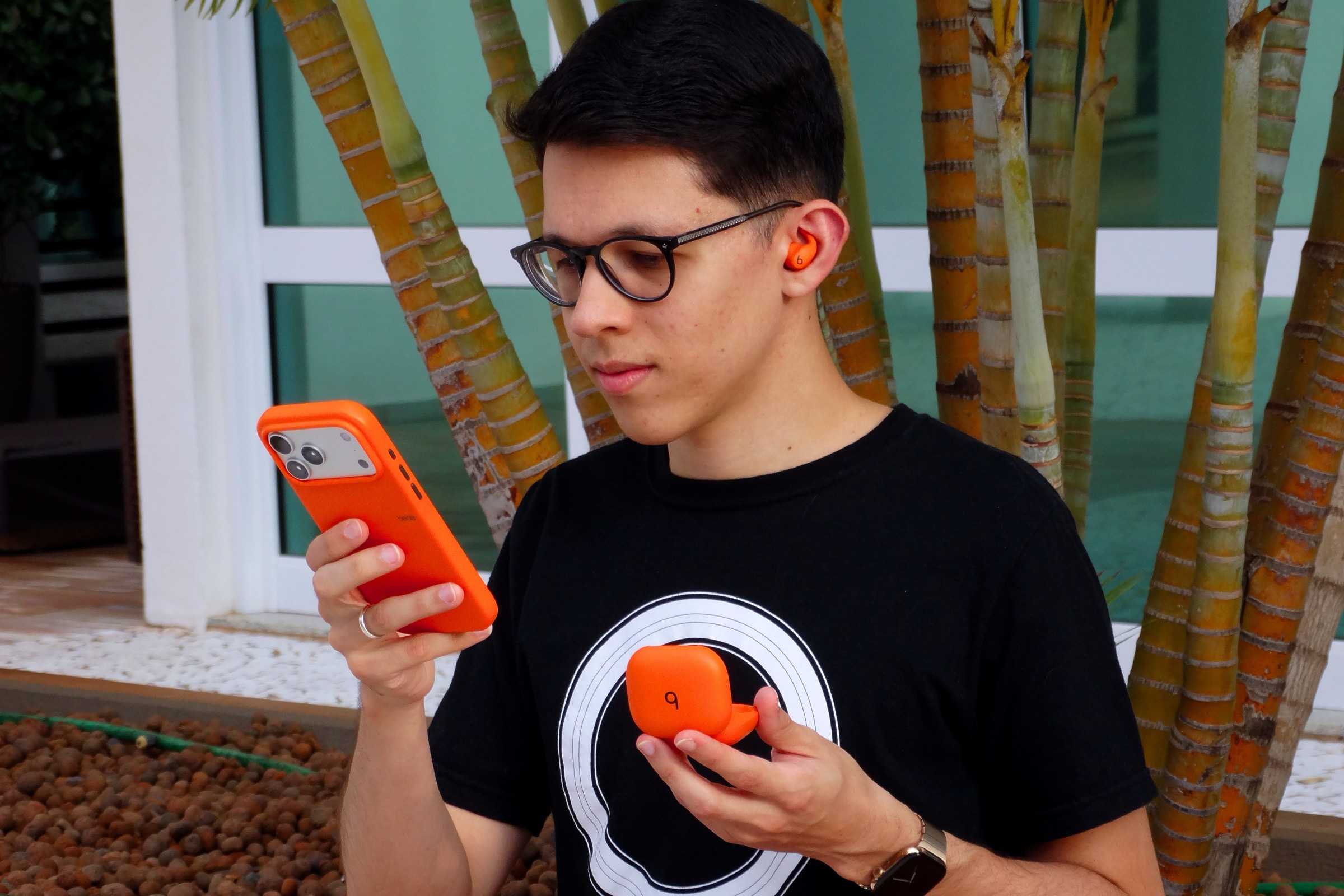
Pros
Secure flexible wingtip fit
Strong workout stability
Long total battery life
Works well with Android
Cons
No wireless charging
Older H1 chip
ANC trails AirPods Pro 3
Price When Reviewed:
$199.95
Best Prices Today:
Retailer
Price
Check on Amazon
Product
Price
The Powerbeats Fit are true wireless sports earbuds made by Beats, an Apple company. They feature flexible wingtips, Apple’s H1 chip, USB-C charging, Adaptive EQ, and up to 30 hours’ battery.
Why we like them
The Powerbeats Fit are designed for active lifestyles, offering a secure fit that stays comfortable through runs, gym sessions and workouts. They deliver dependable Apple ecosystem features, solid sound quality, good battery life and broad compatibility with Android devices, making them more versatile than many sports earbuds.
Who are they best for?
They’re ideal for runners, gym-goers and fitness enthusiasts who need earbuds that stay firmly in place during exercise. They’re also a smart choice for users who switch between Apple and Android devices and value stability over premium audio performance.
What are the biggest strengths
Flexible wingtips provide an exceptionally secure workout fit.
Comfortable design remains stable during running and training.
Up to 30 hours total battery life with charging case.
Excellent Apple integration including Siri, Find My and automatic device switching.
Better Android support than AirPods.
What are the compromises
No wireless charging; USB-C cable only.
H1 chip limits audio and feature improvements.
Noise cancellation is noticeably weaker than AirPods Pro 3.
Missing XXS ear tip option.
Sound quality isn’t as detailed or immersive as Apple’s latest earbuds.
What is battery life like
Expect up to seven hours of listening from the earbuds alone, extending to around 30 hours with the charging case. That’s excellent for travel, commuting and multiple workout sessions.
How good is the ANC?
Noise cancellation is solid for everyday use, reducing background distractions effectively. However, it performs closer to the original AirPods Pro than AirPods Pro 3, whose ANC is significantly more powerful.
Verdict
The Powerbeats Fit are an excellent choice for anyone who prioritises comfort and stability during exercise. Their secure wingtip design, lengthy battery life and Apple-friendly features make them dependable workout companions. While sound quality and ANC fall behind the AirPods Pro 3, they’re more versatile across platforms and remain one of the strongest sports-focused true wireless earbuds available.
Read our full
Powerbeats Fit review
8. Beats Studio Buds+ – Best alternative to AirPods
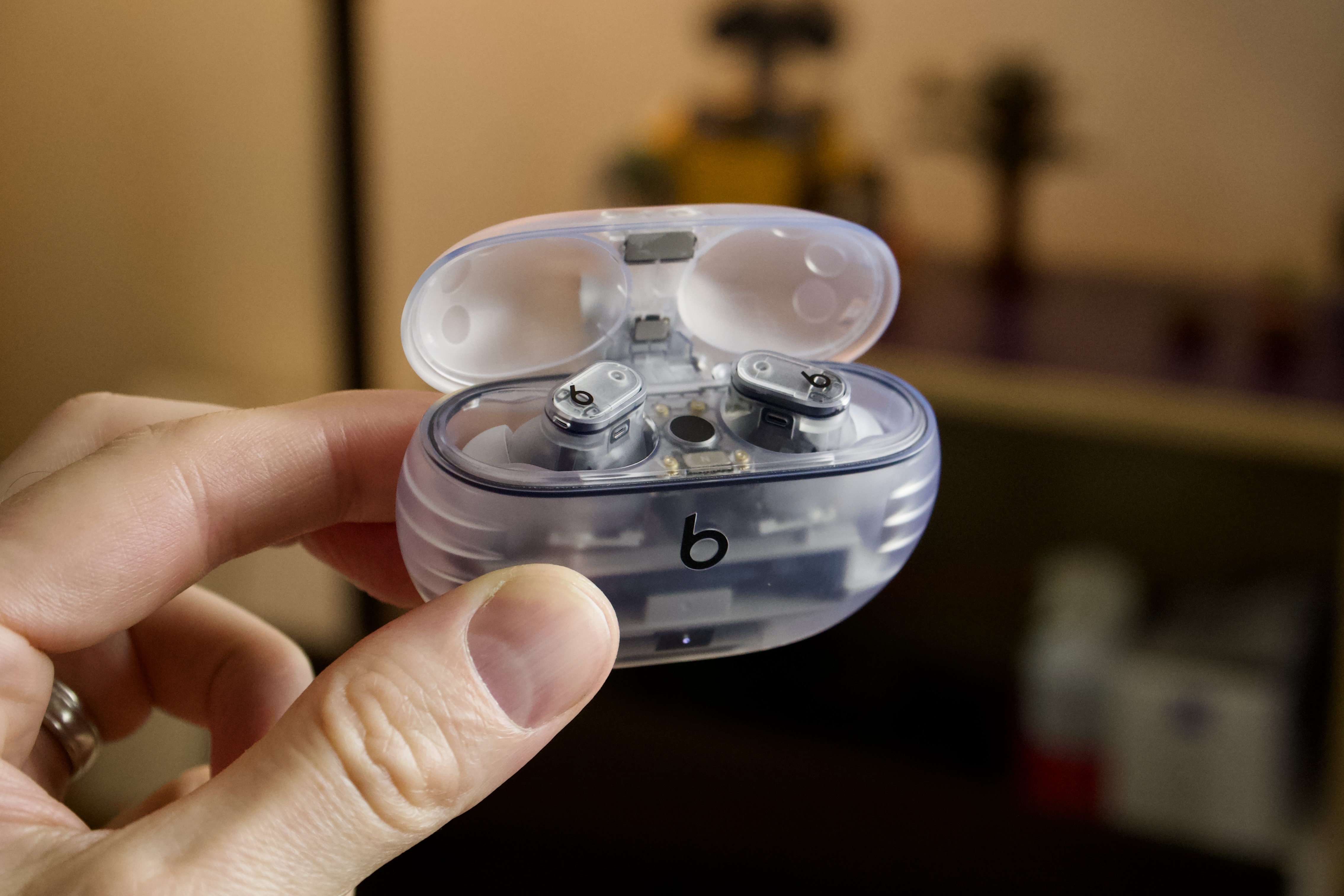
Pros
Fun transparent design
Improved sound quality
Effective active noise cancellation
Strong battery life
Cons
No wireless charging
Missing Apple ecosystem features
AirPods Pro sound better
Price When Reviewed:
$169.99
Best Prices Today:
New
Refurbished
Retailer
Price
$99.95
View Deal
$99.95
View Deal
$99.99
View Deal
$99.99
View Deal
$119.99
View Deal
$169.95
View Deal
$169.99
View Deal
$169.99
View Deal
Beats
$169.99
View Deal
View more prices
Product
Price
Beats Studio Buds+ Earbud Noise-Cancelling Bluetooth Earphones – Transparent
$Not Available
View Deal
The Beats Studio Buds + are true wireless earbuds made by Beats, an Apple subsidiary. Released in 2023, they feature a distinctive transparent design, USB-C charging and support for Apple and Android.
Why we like them
The Beats Studio Buds + combine stylish design, improved sound quality, capable active noise cancellation and long battery life at a price similar to standard AirPods. Physical buttons are easier to use than AirPods controls, while Android compatibility makes them a genuinely flexible choice across different devices.
Who are they best for
They’re best for people who switch between Apple and Android devices, or anyone wanting effective ANC, comfortable earbuds and eye-catching styling without paying AirPods Pro prices. They’re less suited to users deeply invested in Apple’s ecosystem.
What are the biggest strengths
Unique transparent design with alternative colours
Better sound than previous Studio Buds
Improved ANC and transparency performance
Comfortable fit with four ear tip sizes
Physical button controls are intuitive
Strong battery life and competitive pricing
What are the compromises
No wireless charging support
Lacks Apple’s H1 or H2 chip
Misses automatic device switching
No personalised spatial audio or Conversation Boost
No in-ear detection for auto pause
ANC and sound quality trail AirPods Pro
What is battery life like
Battery life is rated at up to six hours with active noise cancellation enabled or nine hours without it. The charging case provides roughly three additional full recharges.
How good is the ANC
Noise cancellation is noticeably improved over the original Studio Buds and performs well for the price. However, it still falls short of the more advanced and adaptive AirPods Pro system.
Verdict
The Beats Studio Buds + are an excellent alternative to standard AirPods, offering better sound, effective ANC, impressive battery life and standout styling at a competitive price. They also work well with both Apple and Android devices. However, users wanting the full Apple ecosystem experience and the very best sound should still choose AirPods Pro if their budget stretches further.
Read our full
Beats Studio Buds+ review
9. Beats Powerbeats Pro 2 – Best for active lifestyles
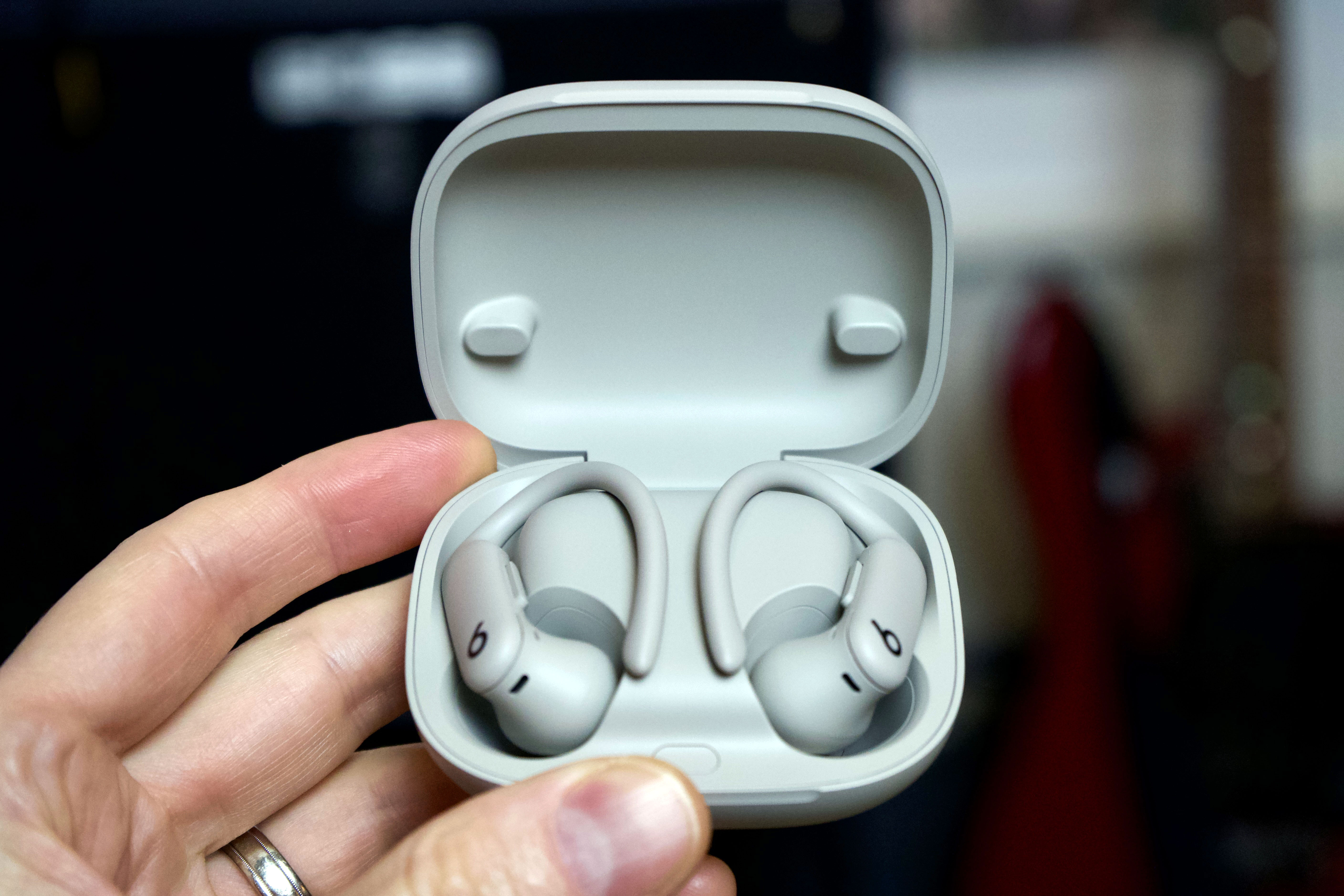
Pros
Secure, comfortable earhook fit
Excellent workout stability
Heart rate monitoring
Strong battery endurance
Cons
Missing AirPods Pro features
Heart rate limitations
Price When Reviewed:
$249
Best Prices Today:
Retailer
Price
$199.95
View Deal
$199.95
View Deal
$199.97
View Deal
$199.99
View Deal
$229.02
View Deal
$249.99
View Deal
View more prices
Product
Price
The Beats’ Powerbeats Pro 2 are premium fitness-focused true wireless earbuds made by Beats, an Apple-owned company. They feature Apple’s H2 chip, secure earhooks, built-in heart rate monitoring, and USB-C charging.
Why we like them
The Powerbeats Pro 2 combine an exceptionally secure fit with improved sound, effective noise cancellation and class-leading workout comfort. Heart rate monitoring adds genuine fitness appeal, while Apple’s H2 chip delivers fast pairing, excellent transparency mode and seamless integration across Apple devices, making them superb exercise companions.
Who are they best for
They’re best for runners, gym-goers and anyone wanting earbuds that stay securely in place during intense exercise. Apple users will benefit most, though Android owners also receive a stronger feature set than they would with AirPods.
What are the biggest strengths
Secure earhooks stay firmly in place during workouts.
Smaller, lighter design improves comfort over long sessions.
H2 chip enables excellent transparency mode and strong ANC.
Built-in heart rate monitoring works with supported fitness apps.
Long battery life and fast charging reduce downtime.
Improved Android support with dedicated Beats features.
What are the compromises
Lacks several AirPods Pro software features, including Adaptive Audio and Conversation Awareness.
Heart rate monitoring is limited to supported apps.
Apple Watch overrides earbud heart rate readings.
Sound is slightly brighter than AirPods Pro 2.
Wireless charging supports Qi only, not MagSafe or Qi2.
What is battery life like
Battery life is excellent, with up to 10 hours of listening per charge, or around 8 hours using ANC or transparency mode. The charging case provides approximately 3.5 additional charges.
How good is the ANC
Active noise cancellation is a major improvement over the original model, delivering strong everyday performance. Transparency mode is particularly impressive, sounding natural and approaching the excellent standard set by AirPods Pro 2.
Verdict
The Beats Powerbeats Pro 2 are among the best fitness earbuds available, combining a secure fit, long battery life, heart rate monitoring and excellent Apple ecosystem integration. While they miss several AirPods Pro software features and their sound is slightly brighter than Apple’s flagship earbuds, they’re an outstanding choice for workouts and active lifestyles.
Read our full
Beats Powerbeats Pro 2 review
10. Bowers & Wilkins Pi6
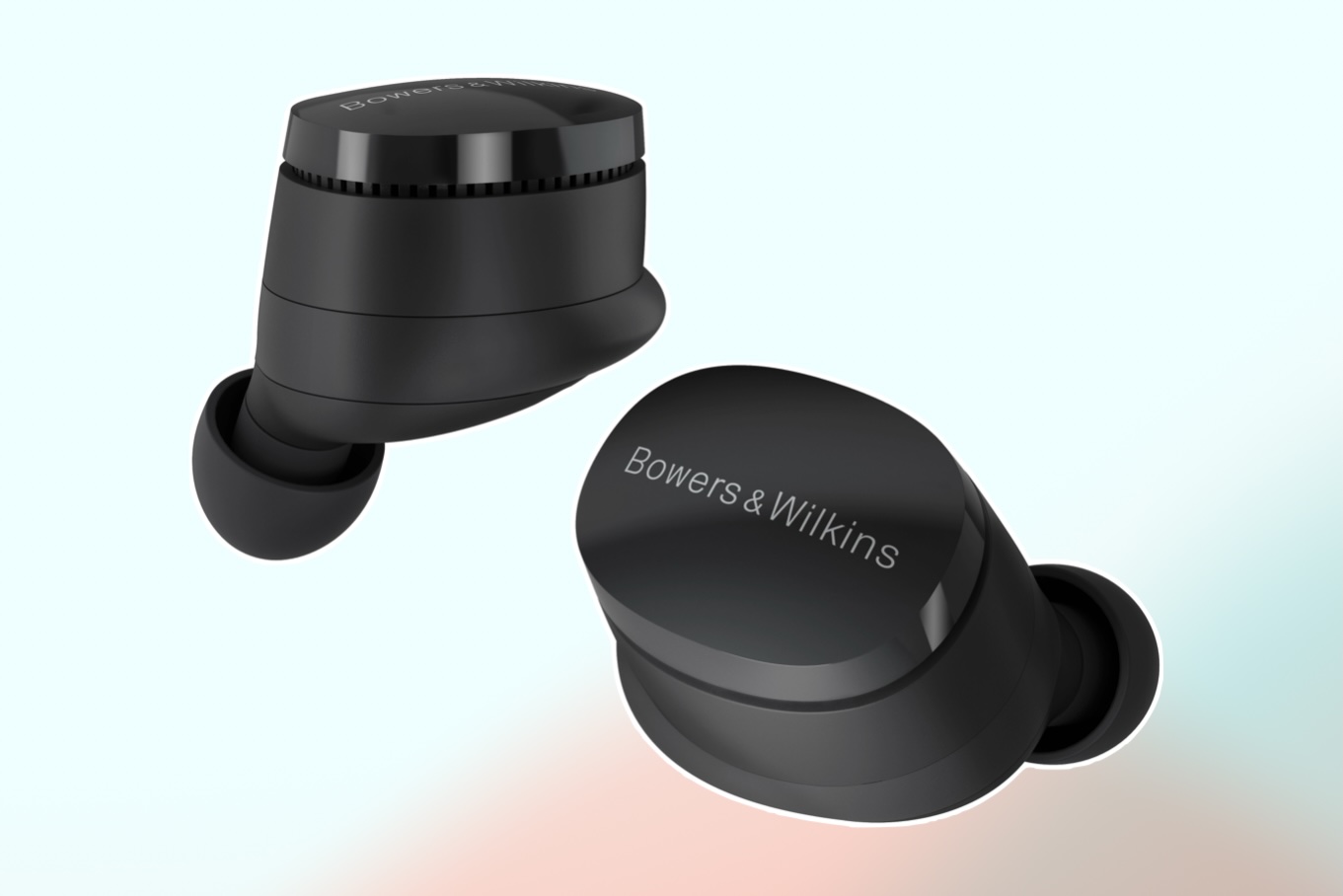
Pros
Rich, detailed sound quality
Comfortable long-wearing fit
Strong battery endurance
Competitive premium pricing
Cons
ANC trails top rivals
No wireless charging
No spatial audio
Price When Reviewed:
$249
Best Prices Today:
Retailer
Price
$147.99
View Deal
$249
View Deal
B&W
$249
View Deal
Product
Price
The Bowers & Wilkins Pi6 are premium true wireless noise-cancelling earbuds from British audio specialist Bowers & Wilkins, featuring 12mm drivers, Bluetooth 5.4, IP54 durability and multipoint connectivity.
Why we like them
The Pi6 deliver the refined, engaging sound quality Bowers & Wilkins is known for at a more accessible price than the flagship Pi8. They’re comfortable for extended listening, offer useful app customisation, solid battery life and excellent overall value despite a few premium feature omissions.
Who are they best for?
They’re ideal for listeners who prioritise sound quality over cutting-edge features. Frequent commuters, music lovers and anyone wanting premium wireless earbuds around AirPods Pro pricing will appreciate their balanced audio, comfortable fit and dependable battery performance.
What are the biggest strengths?
Detailed, dynamic sound with excellent balance
Large 12mm drivers inspired by B&W headphones
Comfortable fit with four ear-tip sizes
Eight-hour battery life with ANC enabled
Multipoint Bluetooth connection for two devices
IP54 water and dust resistance for everyday use
What are the compromises?
ANC is good, not class-leading
No Qi wireless charging support
No Pi8 smart charging case
No spatial audio functionality
App lacks full EQ presets
Higher-frequency sounds remain noticeable with ANC enabled
What is battery life like?
Battery life is impressive, offering up to eight hours of playback with active noise cancellation switched on. The USB-C charging case provides an additional 24 hours of listening time.
How good is the ANC?
Noise cancellation performs well against low-frequency sounds such as engine rumble but is less effective with voices and higher-frequency noise, leaving rivals from Bose, Sony and Apple with the advantage.
Verdict
The Bowers & Wilkins Pi6 are an excellent choice if your priority is premium sound quality without paying flagship prices. Their engaging audio, comfortable design and long battery life make them highly appealing, even if the ANC, wireless charging and feature set don’t quite match the very best competitors. For music-first buyers, they’re easy to recommend.
Read our full
Bowers & Wilkins Pi6 review
11. Sennheiser Accentum True Wireless
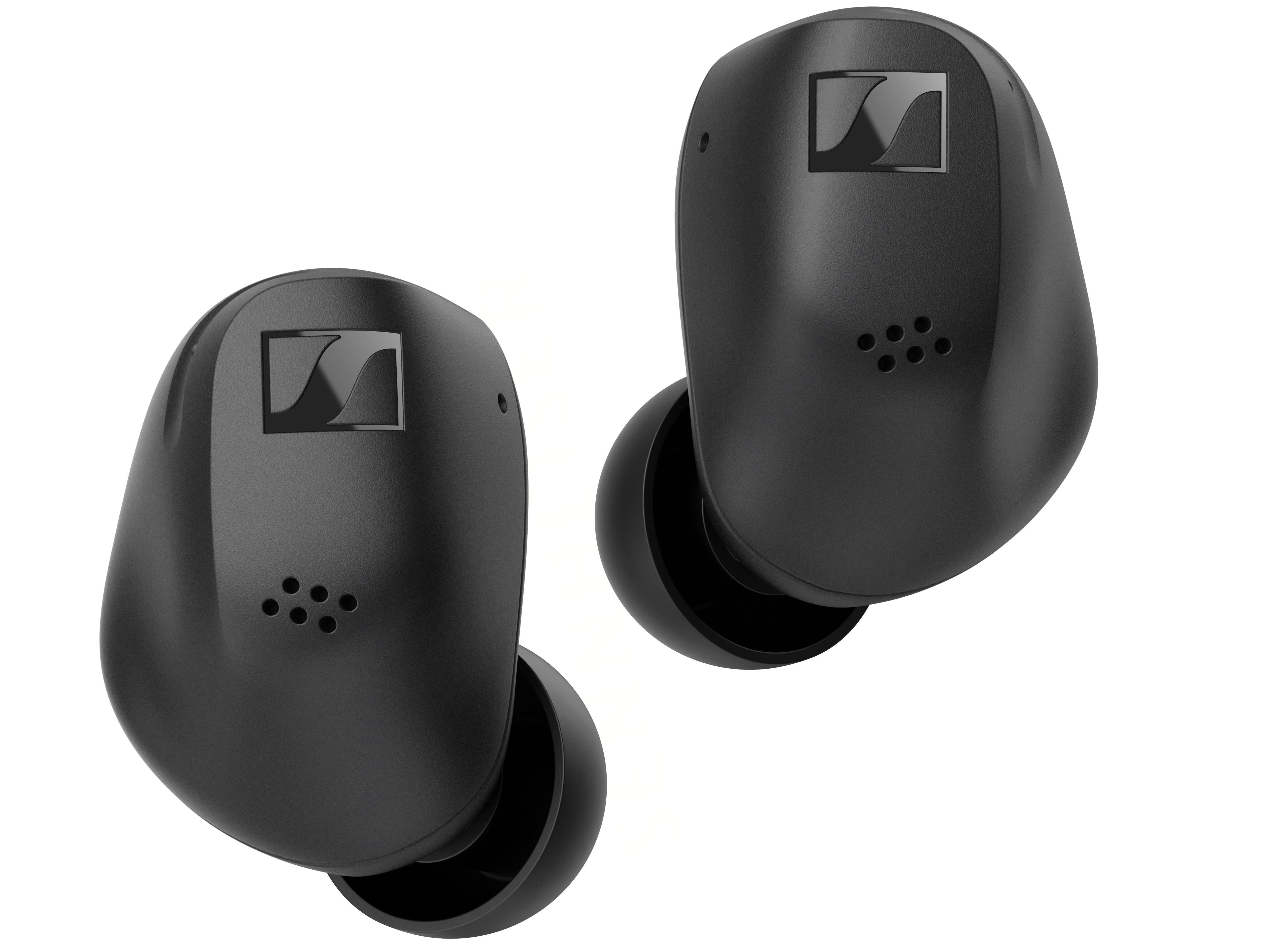
Pros
Excellent value for money
Comfortable lightweight fit
Impressive sound quality
Effective everyday ANC
Cons
ANC not class-leading
Average battery endurance
Limited long-haul suitability
Price When Reviewed:
$199.95
Best Prices Today:
Retailer
Price
$99.95
View Deal
$99.95
View Deal
$99.95
View Deal
$99.95
View Deal
$99.99
View Deal
$129.99
View Deal
Sennheiser
$199.95
View Deal
View more prices
Product
Price
Designed as a more affordable alternative to its Momentum earbuds (above), Sennheiser’s Accentum True Wireless are in-ear wireless earbuds made by German audio specialist Sennheiser. They feature 7mm drivers, IP54 water and dust resistance, AAC and aptX support, plus adjustable EQ.
Why we like them
The Accentum True Wireless deliver impressive sound quality and capable active noise cancellation at a much lower price than many premium rivals. They’re comfortable enough for extended listening, include useful app customisation features, and provide a balanced combination of performance, practicality and affordability for everyday listening.
Who are they best for
They’re ideal for listeners wanting premium audio features without paying flagship prices. Great for commuters, casual travellers and everyday users who value comfort, strong sound quality and reliable noise cancellation more than maximum battery life.
What are the biggest strengths
Outstanding value compared with premium rivals.
Rich, detailed sound from the same 7mm drivers used in the Momentum range.
Lightweight, comfortable design with four ear-tip sizes.
IP54 water and dust resistance for everyday outdoor use.
Handy companion app with five-band EQ and adjustable transparency mode.
What are the compromises
Active noise cancellation doesn’t match the very best premium earbuds.
Six-hour battery life is respectable rather than exceptional.
Charging case provides only around 2.5 additional charges.
Better suited to daily commuting than long-haul travel.
Lacks the outright premium performance of Sennheiser’s Momentum earbuds.
What is battery life like
Battery life reaches around six hours with active noise cancellation enabled, while the charging case provides roughly two and a half extra charges, making it well suited to everyday use.
How good is the ANC Active noise cancellation performs well for everyday commuting and reducing typical background noise, although it doesn’t block sound as effectively as more expensive flagship competitors in particularly noisy environments.
Verdict
The Sennheiser Accentum True Wireless strike an excellent balance between price and performance. They offer impressive sound quality, comfortable all-day wear, practical features and effective everyday noise cancellation without the premium price tag. While battery life and ANC aren’t class-leading, they’re more than good enough for most users, making these an easy recommendation for affordable everyday wireless earbuds.
Read our full
Sennheiser Accentum True Wireless review
12. Beats Solo Buds
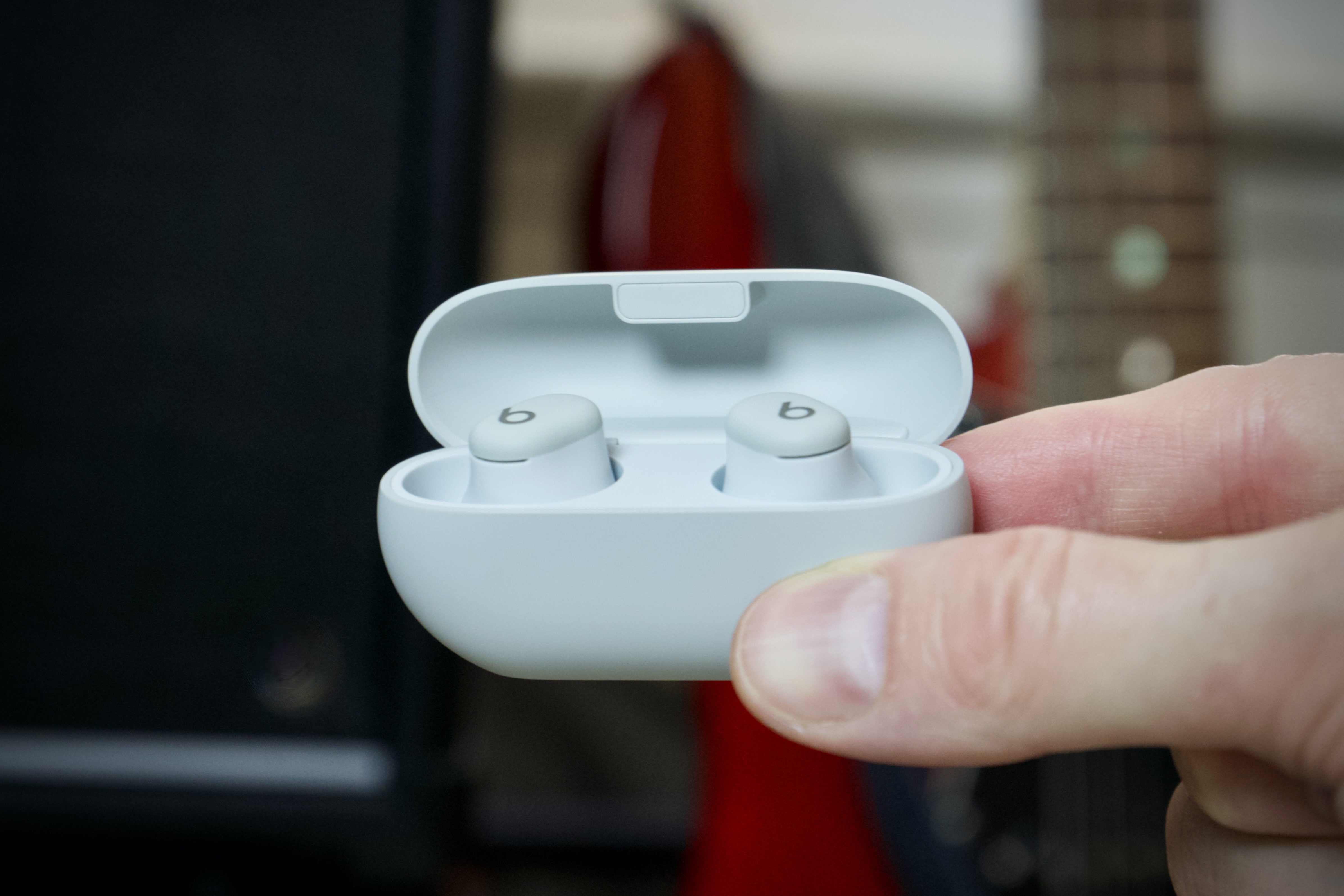
Pros
Surprisingly clear, punchy sound
Excellent 18-hour battery life
Secure, comfortable ear fit
Compact, pocket-friendly case
Cons
No active noise cancellation
Charging case lacks battery
Missing premium smart features
Price When Reviewed:
$79.99
Best Prices Today:
Retailer
Price
$38
View Deal
$49.99
View Deal
$69.95
View Deal
$69.95
View Deal
$69.99
View Deal
$78
View Deal
$79.95
View Deal
$79.99
View Deal
$79.99
View Deal
Beats
$79.99
View Deal
View more prices
Product
Price
The Beats Solo Buds are affordable true wireless earbuds made by Beats, an Apple company. Released in mid-2024, they feature a tiny USB-C charging case, four ear tip sizes and 18-hour battery life.
Why we like them
The Beats Solo Buds deliver impressive value with punchy, enjoyable sound, an exceptionally long battery life for earbuds, and a secure fit thanks to four sizes of silicone ear tips. They’re comfortable, easy to control using physical buttons, and outperform older standard AirPods in several key areas.
Who are they best for
They’re ideal for budget-conscious listeners who want reliable everyday wireless earbuds with long battery life and comfortable fit. They’re particularly well suited to Apple users, but also work well with Android devices, making them a versatile affordable option.
What are the biggest strengths
Clear, punchy sound that exceeds expectations for the price.
Outstanding 18-hour battery life from the earbuds.
Secure fit with four sizes of silicone ear tips.
Compact, lightweight case that’s easy to carry.
Physical button controls are simple and reliable.
Excellent value compared with similarly priced rivals.
What are the compromises
No active noise cancellation or transparency mode.
Charging case has no built-in battery for top-ups.
Lacks automatic device switching and multipoint Bluetooth.
No in-ear detection for automatic play/pause.
Call voice isolation isn’t as strong as premium earbuds.
No personalised Spatial Audio features.
What is battery life like
Battery life is excellent. The earbuds are rated for up to 18 hours on a single charge, outperforming many rivals, although the charging case must be plugged into USB-C to recharge them.
How good is the ANC
There isn’t any active noise cancellation. Instead, the silicone ear tips provide passive noise isolation, reducing some outside sound, but they can’t match dedicated ANC earbuds in noisy environments.
Verdict
The Beats Solo Buds prove you don’t need to spend a fortune for enjoyable wireless earbuds. Their clear sound, secure fit and exceptional battery life make them an excellent value buy, especially for everyday listening. While you’ll miss premium features like ANC, multipoint Bluetooth and a battery-equipped charging case, they’re an easy recommendation for budget-conscious shoppers
Read our full
Beats Solo Buds review
13. Apple AirPods 4 (without ANC)
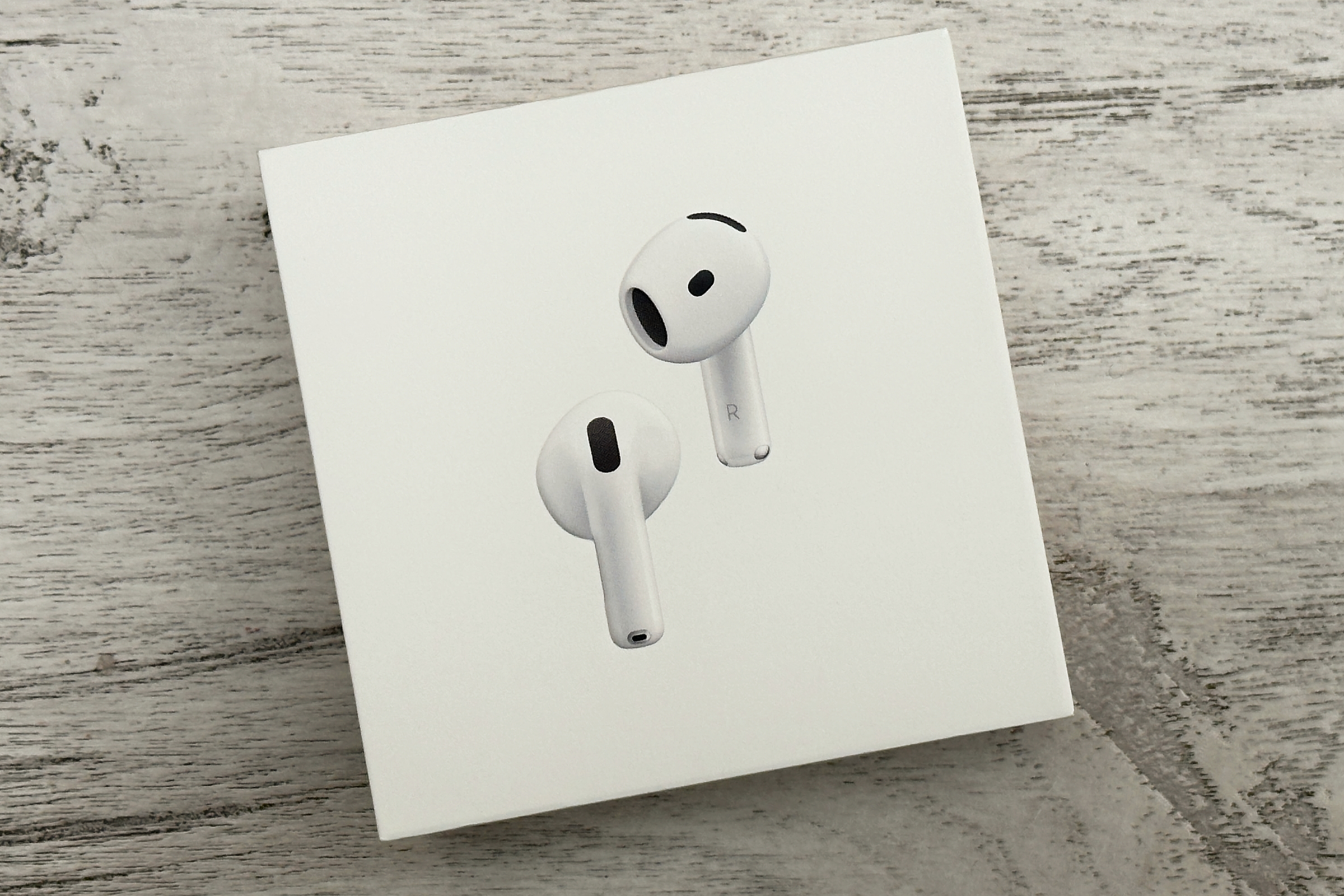
Pros
Comfortable redesigned fit
Excellent sound quality
H2 chip performance
Great Apple ecosystem integration
Cons
No active noise cancellation
No wireless charging
Shorter earbud battery life
Price When Reviewed:
$129 without Active Noise Cancelation
Best Prices Today:
Retailer
Price
$59
View Deal
$99
View Deal
$99.99
View Deal
$99.99
View Deal
$119.95
View Deal
$129
View Deal
View more prices
Product
Price
Apple AirPods 4 are true wireless earbuds from Apple. They feature the H2 chip, redesigned open-ear fit, USB-C charging, Personalised Spatial Audio and improved sound, but omit ANC and wireless charging.
Why we like them
The standard AirPods 4 deliver many of the same upgrades as the pricier ANC model, including improved sound, a more secure fit and Apple’s H2 chip. They represent a significant step forward from the AirPods 2 while keeping the same affordable starting price, making them excellent everyday earbuds.
Who are they best for
They’re ideal for Apple users wanting premium everyday wireless earbuds without paying extra for noise cancellation. They’re especially suited to commuting, calls and casual listening where comfort, convenience and seamless Apple device integration matter more than advanced isolation.
What are the biggest strengths
Comfortable redesigned open fit
H2 chip improves responsiveness
Strong, balanced audio quality
Personalised Spatial Audio support
Excellent Apple ecosystem integration
USB-C charging convenience
Improved durability with IP54 rating
Great value at entry price
What are the compromises
No Active Noise Cancellation
No Transparency mode
No Adaptive Audio features
No Conversation Awareness
USB-C charging only
No wireless charging support
No Find My case speaker
Shorter battery than AirPods 3
What is battery life like
Battery life is rated at up to five hours per charge, with the USB-C charging case extending total listening time to around 30 hours. A five-minute charge provides about one hour’s playback.
How good is the ANC
There isn’t any Active Noise Cancellation. Users wanting ANC, Transparency mode or Adaptive Audio must choose the more expensive AirPods 4 with ANC, as these features aren’t included on the standard model.
Verdict
The standard AirPods 4 are an excellent upgrade over Apple’s older entry-level AirPods, offering noticeably improved comfort, sound quality and smarter features thanks to the H2 chip. While missing ANC and wireless charging limits their appeal for frequent travellers, they remain one of the best value options for Apple users wanting dependable everyday wireless earbuds.
How to choose earbud headphones
There are a few factors to consider before you hit that buy button.
Type
Earbuds, or in-ear headphones, typically fall into three main categories:
Earbuds – the type of headphones included with every iPhone and iPod and sit loosely in your outer ears. Although earbuds don’t produce outstanding sound, they’re compact and relatively inexpensive. Apple’s stock ‘buds are actually decent as earbuds go; you’re not going to get a huge upgrade in sound quality by simply replacing them with a different model. Still, there are a few alternatives out there that provide modest improvements if you’re looking for a new set. Recommendations:
In-Ear-Canal Headphones: These headphones, also known as canalphones, use silicone or foam eartips that fit snugly—and fairly deep—in your ear canals. Like earplugs, they block most external noise, so they’re great for travel and noisy environments. They’re also capable of producing stunning audio quality. On the other hand, some people find canalphones to be uncomfortable, and the best ones come with an equally stunning price tag. If you decide to spend the big bucks on a set of high-end canalphones, we enthusiastically recommend going all-in and getting custom eartips—tips custom-made for your particular ears. The process requires an audiologist visit to get impressions taken of your ears, but the benefits include substantially better comfort. (On some models, you may gain better noise isolation and better sound quality, as well.) A step above custom eartips are custom in-ear monitors, which place the actual headphone circuitry in larger, custom-made earpieces.
Canalbuds: Canalbuds, which occupy a middle ground between earbuds and in-ear-canal models, have become quite popular. Compared to canalphones, canalbuds generally use smaller eartips that sit just inside the ends of your ear canals instead of deep inside them. Good canalbuds easily best earbuds in terms of audio performance and noise isolation, but fall short of good canalphones in those areas. On the other hand, canalbuds tend to be more comfortable than true canalphones because they don’t sit so deep and don’t fit so tightly; they’re also usually less expensive. (See our in-ear-canal-headphone primer, linked above, for more information on canalbuds.)
Battery life
This is crucial as many in-ear headphones have tiny batteries that help to keep the weight down but may only last for a few hours. That might be fine if you just want to listen to some music while you’re working out, but won’t be much use on a long journey by train or plane.
However, some in-ear headphones, such as Apple’s AirPods, also include a charging case that can top up the battery, so that’s something you should check on before buying any in-ear headphones.
Noise canceling
Some headphones are specifically designed for people who travel a lot or use headphones in noisy conditions and provide active noise-canceling (ANC) option that helps to block out background noise on trains and planes – although this can add quite a lot to the overall price of the headphones.
Note this isn’t to be confused with passive noise isolation (or often referred to as canceling), which is just the way physically having headphones in/on blocks sound – like putting earplugs or ear defenders on.
Sound quality
We’d always recommend trying out any new headphones in a store or showroom whenever possible, but we realise that’s not always practical or hygenic.
Compatibility
Most wireless headphones support Apple’s preferred AAC Bluetooth codec, ensuring good compatibility with iPhones, iPads and Macs. Many also support additional codecs such as aptX Adaptive, aptX Lossless, LDAC or LC3/LE Audio, which can deliver higher bit rates, lower latency or improved efficiency when paired with compatible Android phones and other devices.
Apple devices have never supported Qualcomm’s aptX family of codecs, instead relying on AAC for Bluetooth audio. While this has often been attributed to Apple’s preference for controlling its own audio ecosystem, it also means Apple users can’t take advantage of newer Qualcomm codecs such as aptX Adaptive or aptX Lossless when using third-party headphones.
That isn’t necessarily the drawback it once was. AAC remains a very capable codec, and Apple’s implementation is widely regarded as one of the best, delivering consistent sound quality and excellent battery efficiency. However, Android users with compatible devices may be able to enjoy higher-resolution or lower-latency wireless audio through codecs such as LDAC or aptX Lossless.
For Apple users, the most important thing is that headphones support AAC, as this provides the best wireless experience across iPhone, iPad, Mac and Apple Watch. If a pair also supports codecs such as aptX Adaptive or LDAC, that’s a useful bonus if you also own Android devices or other compatible hardware.
There are a few exceptions. Some premium headphones and earbuds, such as the Bowers & Wilkins Pi8, include a smart charging case that can act as a wireless audio transmitter. By connecting the case directly to a USB-C or 3.5mm audio source, it can stream audio to the earbuds using aptX Adaptive, bypassing the Bluetooth limitations of the source device and potentially improving sound quality and reducing latency.
It’s also worth noting that all of the Bluetooth headphones featured here work with Apple Watch, making them ideal for workouts, runs and listening on the go.
]]>
Ted Lasso is officially back for season 4 (watch here), and Apple TV has two more hit series set to return soon. Here’s what’s coming.
]]>Apple WAtch Ultra 3 is $100 off today
View Deal
(function () {
document.querySelector(“#sticky-promo-block a”).addEventListener(“click”, function(e) {
const debug = document.location.host.search(/lndo.site|go-vip.net/) !== -1;
const text = this.closest(“#sticky-promo-block”).querySelector(“p.promo-title”).textContent;
const data = {
event: “stickyConversionUnitClick”,
eventCategory: “Sticky Conversion”,
eventAction: “Click”,
eventLabel: text
};
if(debug)console.log(“Sticky Conversion CLick – pushing to dataLayer: “, data);
dataLayer.push(data);
return true;
});
})();
Even if you’re not a fan of large watches, it’s hard not to be enthralled by the black titanium Apple Watch Ultra 3. And today it’s hard not to be impressed by the price too: Amazon is selling the black Apple Watch Ultra 3 with the Black Ocean Band for $699, a savings of $100 and the best price we’ve ever seen for this model.
The Apple Watch Ultra 3 is the king of smartwatches. It features a 49mm scratch-resistant crystal display built around arugged titanium case. On the right side, you’ll find a raised shelf for the Digital Crown, while the exclusive Action button is on the left side. It also has precision dual-frequency GPS, MIL-STD 810H shock resistance, and 100m water resistance for diving, as well as 5G and satellite communication built right in.
It’s all powered by Apple’s S10, with 64GB of storage and a display so bright it can be used as a flashlight. You also get 42 hours of battery life (72 hours in low-power mode), and a slew of health and fitness sensors and features, including sleep tracking, temperature sensing, ECG, blood-oxygen, and Heart Rate Power Zones.
Keep in mind that Apple is expected to announce the Apple Watch Ultra 4 at its September iPhone event, but we’re not expecting any major changes other than a faster chip. And since this model is already compatible with watchOS 27 and Siri AI, you won’t be missing out on much.
Even if you’re not an extreme athlete, the Apple Watch Ultra is one of the best smartwatches on the market and it’s even better at this price. So go grab one before it’s gone.
]]> Don’t put your iPhone in the refrigerator or freezer.It’s been a hot summer. Record-smashing high temperatures have been responsible for thousands of hospitalizations and deaths and made it miserable for hundreds of millions of people.But it’s not just people, pets, and wildlife who suffer, either. These high temperatures haven’t been particularly kind to our digital devices. Continue Reading on AppleInsider | Discuss on our Forums
]]>
Don’t put your iPhone in the refrigerator or freezer.It’s been a hot summer. Record-smashing high temperatures have been responsible for thousands of hospitalizations and deaths and made it miserable for hundreds of millions of people.But it’s not just people, pets, and wildlife who suffer, either. These high temperatures haven’t been particularly kind to our digital devices. Continue Reading on AppleInsider | Discuss on our Forums
]]>
iOS 27 gives the Messages app a variety of new features and improvements. And based on my time with the beta, Messages’ best new feature is a convenient time-saver: one-tap suggestions.
]]>
Bloomberg’s Mark Gurman stirred things up a little with what was likely a deliberately teasingly-phrased tweet. Some took this to be a reference to a live iPhone keynote presentation instead of a pre-recorded one.
That seems unlikely, but there are a couple of reasons for suspecting that the live elements may be livelier this year …
]]>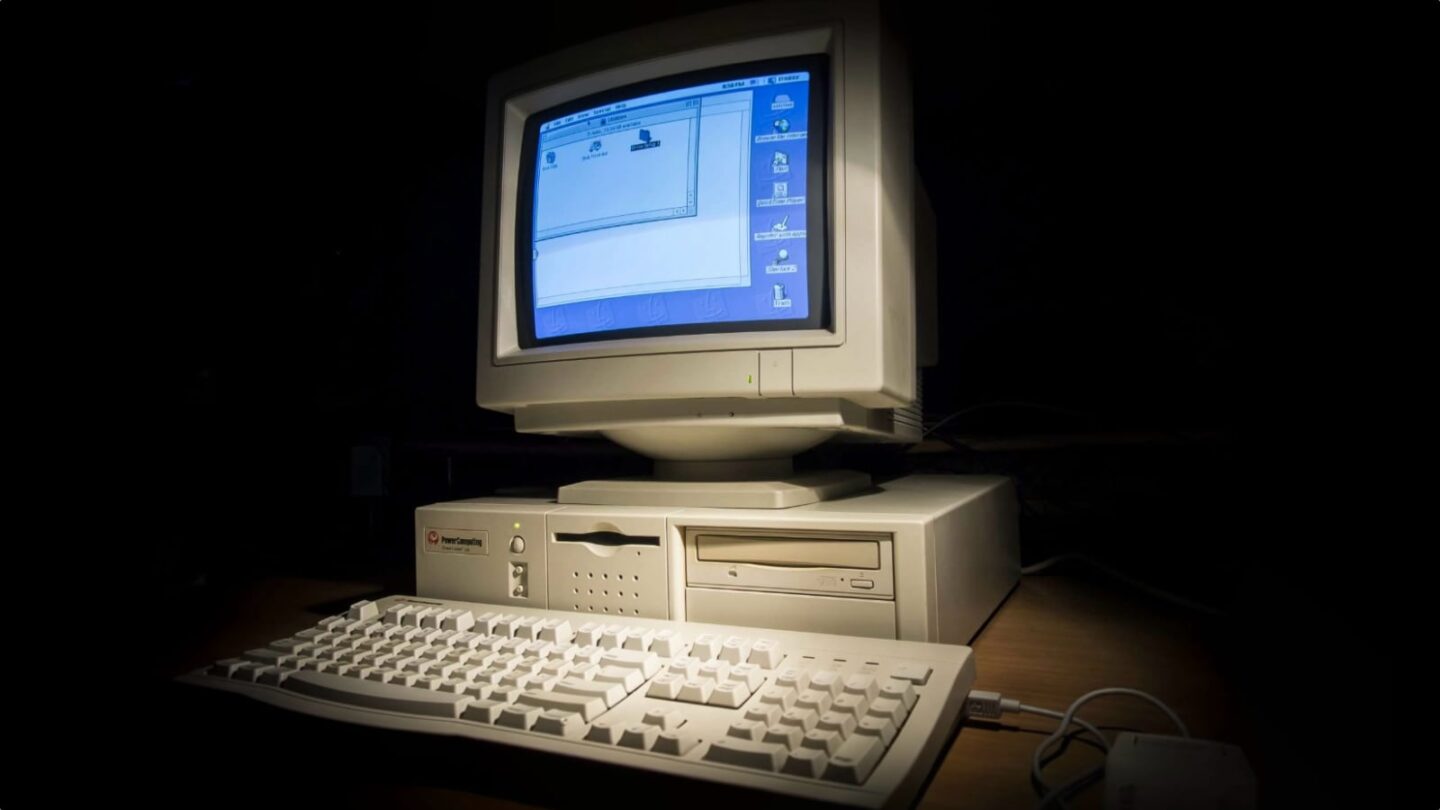
On August 5, 1997, Apple got into a standoff with Power Computing, marking the beginning of the end of the Mac clone era.
(via Cult of Mac – Your source for the latest Apple news, rumors, analysis, reviews, how-tos and deals.)
]]>
Apple is preparing for its biggest product event of the year by opening a lottery that gives U.S. retail employees a chance to help staff the in-person unveiling, according to Bloomberg News’ Mark Gurman.
“With Apple Inc. gearing up for its biggest product launch of the year, the company is opening a lottery for U.S. retail employees who want to help staff the in-person unveiling,” Gurman reported.
The lottery allows retail employees to apply to work the event, where they’ll help organize lines, check in guests, greet attendees, offer directions and support the security teams, according to a memo that was seen by Bloomberg News.
In the memo, Apple said it was “excited to offer U.S. store team members the opportunity to participate in the Event Support Experience Program.” Apple has relied on retail employees to help staff major product launches for years.
The launch event will take place during the first half of September, the company told staff, without providing a more specific date. Historically, Apple’s iPhone presentations have taken place on the second Tuesday or Wednesday of that month. Since Labor Day in the U.S. falls on Monday, Sept. 7th, a Wednesday event appears slightly more likely, as it would preserve the workday travel window Apple has historically provided for attendees.
Workers who participated in either this year’s Worldwide Developers Conference or last year’s iPhone launch aren’t eligible for the upcoming program. Interested employees must apply by Aug. 8th, and Apple will notify those selected by Aug. 17th, according to the memo.
MacDailyNews Take: This year’s September event carries added significance. It will be the first major product unveiling under Chief Executive Officer John Ternus, who is set to take over from Tim Cook on Sept. 1st. The company is expected to unveil its first foldable iPhone — rumored to be called “iPhone Ultra” – as well as the iPhone 18 Pro and Pro Max, new Apple Watch models (Series 12 and Ultra 4), and, perhaps, new AirPods and Apple Home products.
Please help support MacDailyNews — and enjoy subscriber-only articles, comments, chat, and more — by subscribing to our Substack: macdailynews.substack.com. Thank you!
Support MacDailyNews at no extra cost to you by using this link to shop at Amazon.
The post Apple opens lottery for retail staff to support first iPhone event under new CEO John Ternus appeared first on MacDailyNews.
]]> TikTok intentionally disabled new safety features for a control group of around 15 million Americans.Even before the US questioned the security of Chinese social media platform TikTok, the service’s parent company was regularly under fire over child safety fears. All social media platforms were warned about damaging teenage mental health, Facebook ditched its pre-teen Instagram plans, and the Surgeon General told firms to increase safety standards.All of which would be why TikTok made a show in 2021 of introducing new safeguards to protect users from harmful content. Yet to find out whether these measures actually worked, TikTok decided it was worth risking 15 million American users. Continue Reading on AppleInsider | Discuss on our Forums
]]>
TikTok intentionally disabled new safety features for a control group of around 15 million Americans.Even before the US questioned the security of Chinese social media platform TikTok, the service’s parent company was regularly under fire over child safety fears. All social media platforms were warned about damaging teenage mental health, Facebook ditched its pre-teen Instagram plans, and the Surgeon General told firms to increase safety standards.All of which would be why TikTok made a show in 2021 of introducing new safeguards to protect users from harmful content. Yet to find out whether these measures actually worked, TikTok decided it was worth risking 15 million American users. Continue Reading on AppleInsider | Discuss on our Forums
]]>
MacPaw has announced a long-term strategic partnership with Liquid AI to co-develop an on-device AI technology stack built specifically for the Mac.
The collaboration will start with Eney, MacPaw’s AI assistant for macOS.
]]> A Samsung LPDDR5X memory chip – Image Credit: SamsungThe tech industry’s ongoing nightmare of memory pricing is expected to be a long-term problem. It seems that it will still be an issue until the end of 2027 at a minimum.According to industry insider sources of DigiTimes on Tuesday, the three major producers of DRAM and HBM have already sold out their production capacity for the entirety of 2027. Furthermore, while supply of NAND Flash SSD media is a little less tight, it’s still expected to be fully booked before the end of August. Continue Reading on AppleInsider | Discuss on our Forums
]]>
A Samsung LPDDR5X memory chip – Image Credit: SamsungThe tech industry’s ongoing nightmare of memory pricing is expected to be a long-term problem. It seems that it will still be an issue until the end of 2027 at a minimum.According to industry insider sources of DigiTimes on Tuesday, the three major producers of DRAM and HBM have already sold out their production capacity for the entirety of 2027. Furthermore, while supply of NAND Flash SSD media is a little less tight, it’s still expected to be fully booked before the end of August. Continue Reading on AppleInsider | Discuss on our Forums
]]>
Ted Lasso returns to Apple TV with a soft reboot, bringing the beloved coach back for a new chapter with a women’s team.
(via Cult of Mac – Your source for the latest Apple news, rumors, analysis, reviews, how-tos and deals.)
]]>
Systweak PDF Editor Pro handles editing, converting, signing, and locking down PDFs without touching the cloud.
(via Cult of Mac – Your source for the latest Apple news, rumors, analysis, reviews, how-tos and deals.)
]]>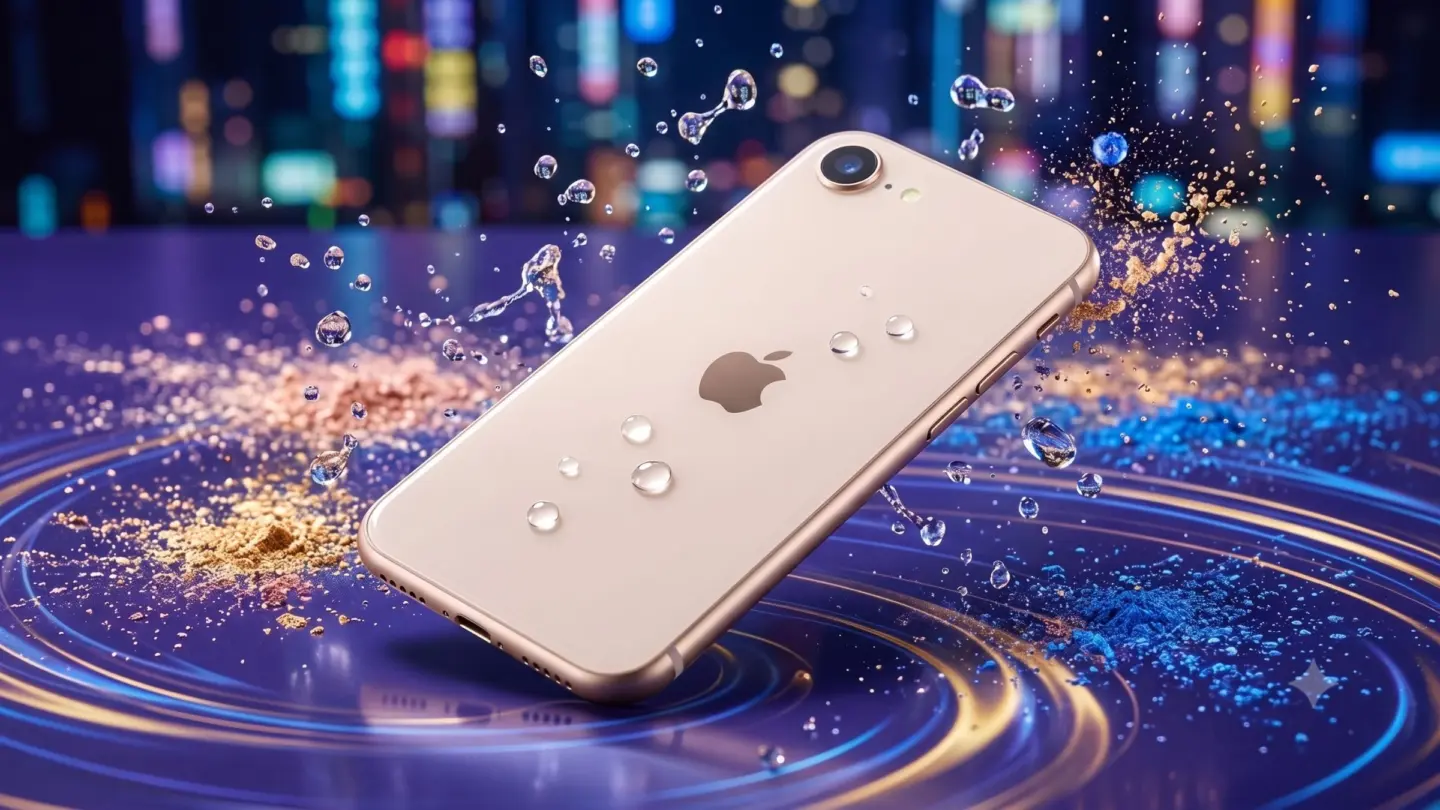
iPhone 18e rumors point to a new release window, an unusual RAM bump and a screen that mostly stays the same.
(via Cult of Mac – Your source for the latest Apple news, rumors, analysis, reviews, how-tos and deals.)
]]>
Apple supplier Foxconn, the world’s largest contract electronics manufacturer, reported record monthly revenue in July, driven by robust demand for artificial intelligence products.
The Taiwanese company, formally known as Hon Hai Precision Industry, said July sales reached T$946.5 billion ($27.93 billion), a 54.2% increase from a year earlier. It marked the first time monthly revenue surpassed T$900 billion.
Foxconn, a major supplier to both Apple and Nvidia, attributed the strong performance largely to its cloud and networking products division, which includes AI servers. The unit benefited from “strong pull-in momentum for AI products.” Its smart consumer electronics division, which covers smartphones, also delivered solid growth.Looking ahead to the third quarter, Foxconn said AI rack shipments are expected to keep rising, while operations should gain further momentum as information and communication technology products enter their traditional peak season.
The company anticipates both sequential and year-over-year growth in the quarter but cautioned that it remains necessary to monitor the impact of volatile global political and economic conditions.
MacDailyNews Note: Foxconn does not provide numerical forecasts. It is scheduled to report full second-quarter earnings on August 12. Shares of Foxconn closed 3.4% higher on Wednesday before the revenue figures were released, outperforming the broader Taiwanese market’s 2.9% gain.
Please help support MacDailyNews — and enjoy subscriber-only articles, comments, chat, and more — by subscribing to our Substack: macdailynews.substack.com. Thank you!
Support MacDailyNews at no extra cost to you by using this link to shop at Amazon.
The post Apple assembler Foxconn hits record July revenue on surging AI demand appeared first on MacDailyNews.
]]>As we count the weeks until the iPhone event, a Bloomberg report from Mark Gurman caused a bit of a stir this week. It wasn’t about features, design, or pricing—rather, it was about staffing at the September event.
According to a memo seen by Bloomberg News, Apple has instituted a lottery to give retail workers “the opportunity to participate in the Event Support Experience Program.” According to the memo, the event will take place the first two weeks of September, and winners will be selected by Aug. 17, per the memo. Winning employees will help “organize lines, check in guests, greet attendees, offer directions and support the security teams.”
Gurman says that Apple has long used retail employees for events like these, but I can’t remember a report like this previously. I searched for anything about a lottery or staffing opportunity and couldn’t find anything about a similar program in prior years. So opening the opportunity to head to Apple Park to all U.S. workers appears to be a new thing.
Here’s where the plot thickens, so to speak. In a post on X promoting the story, Gurman wrote, “NEW: Apple gears up for in-person iPhone event in the first half of September, asking retail employees to apply for a lottery to work the event.” The story he links to doesn’t mention anything about an “in-person” event, but obviously the employees will need to be on-site to work the event.
The use of the phrase “in-person” is a loaded one. Apple hasn’t held a live keynote since September 2019 when it unveiled the iPhone 11 and Apple Watch Series 5. Since then, it has presented prerecorded online keynote presentations, sometimes inviting members of the press to watch at Apple Park.
However, there are signs that Apple could be returning. Back in March, Apple unveiled the MacBook Neo at events around the world to small crowds. It wasn’t anything resembling a full keynote, but at the New York event, incoming CEO John Ternus (then VP of Hardware) was on hand to introduce the new machine and lead attendees to the hands-on area. And he just happens to be taking over as CEO on September 1, mere days before the iPhone event.
If there was going to be a perfect time when Apple would return to in-person events, it’s this now. Not only is it John Ternus’ first event as CEO, but it’s also widely expected that Apple will introduce its first folding phone at the event as well. That easily makes it one of the most anticipated events of the past decade, so what better time to gather people for an old-fashioned live keynote?
Whatever the format, Apple will likely hold its iPhone event on Wednesday, September 9, or Tuesday, September 15. Along with the folding iPhone, Apple is also expected to release the iPhone 18 Pro and Pro Max, Apple Watch Series 12 and Ultra 4, and possibly Apple TV 4K and HomePod mini refreshes.
]]>
I don’t use TikTok myself, but from all of the second-hand reports I see, it seems to have become a massive repository of terrible advice. This apparently now includes videos advising people to put their iPhones into the fridge when they become hot …
]]> At a glanceExpert’s Rating
Pros
One 10K battery or two 5K sections
Built-in USB-C connectors
Charges four devices at once
Faster than wireless
Three cute colors
Cons
Not wireless
Don’t lose that shared section
iPhone 15 and later
Our Verdict
The Nimble SharePower operates as one stacked 10K portable charger or two divided 5K battery packs. It’s a neat idea, well done—letting you share a power bank without being tethered to your desperately unpowered friend by a cable when charging your own iPhone at the same time.
Price When Reviewed
This value will show the geolocated pricing text for product undefined
Best Pricing Today
Price When Reviewed
$79.95
Best Prices Today: Nimble SharePower Portable Battery Charger
Retailer
Price
$79.95
View Deal
Product
Price
What is it? A modular 10K power bank that splits into two separate 5K battery packs with built-in USB-C connectors.
Who is it for? iPhone 15 or later owners who desire the flexibility of shareable power banks.
Who shouldn’t buy it? Owners of the iPhone 14 and older, or those looking for a magnetic power bank to wirelessly clamp to the back of their device. Instead, they should look to the best magnetic wireless portable chargers.
The Nimble SharePower isn’t magnetic in a charging capacity, so won’t clamp onto the back of your iPhone to immediately begin charging, but it is clever in another way: it’s a sharable battery that will serve not just you but a very grateful friend, colleague or trustworthy stranger.
SharePower is a 10,000mAh portable charger with a difference. Unlike a typical 10,000mAh power bank, the Nimble SharePower splits into two completely independent 5,000mAh chargers that can be shared between two people. Each half has its own built-in USB-C connection and extra USB-C port, allowing up to four devices to be charged simultaneously when separated. It’s a genuinely useful twist on the standard portable charger, making it ideal for iPhone 15 and newer users who regularly share power with friends, family or colleagues without being tethered together by a charging cable.
Magnetically modular
Together the SharePower measures 3.1 x 2.8 x 1 inch (78 x 70 x 25mm) and weighs 7.6oz (216g). Divided, the two parts are roughly equal, with the cabled module being the slightly larger.
The two parts come together magnetically and won’t fall apart without a meaningful effort.
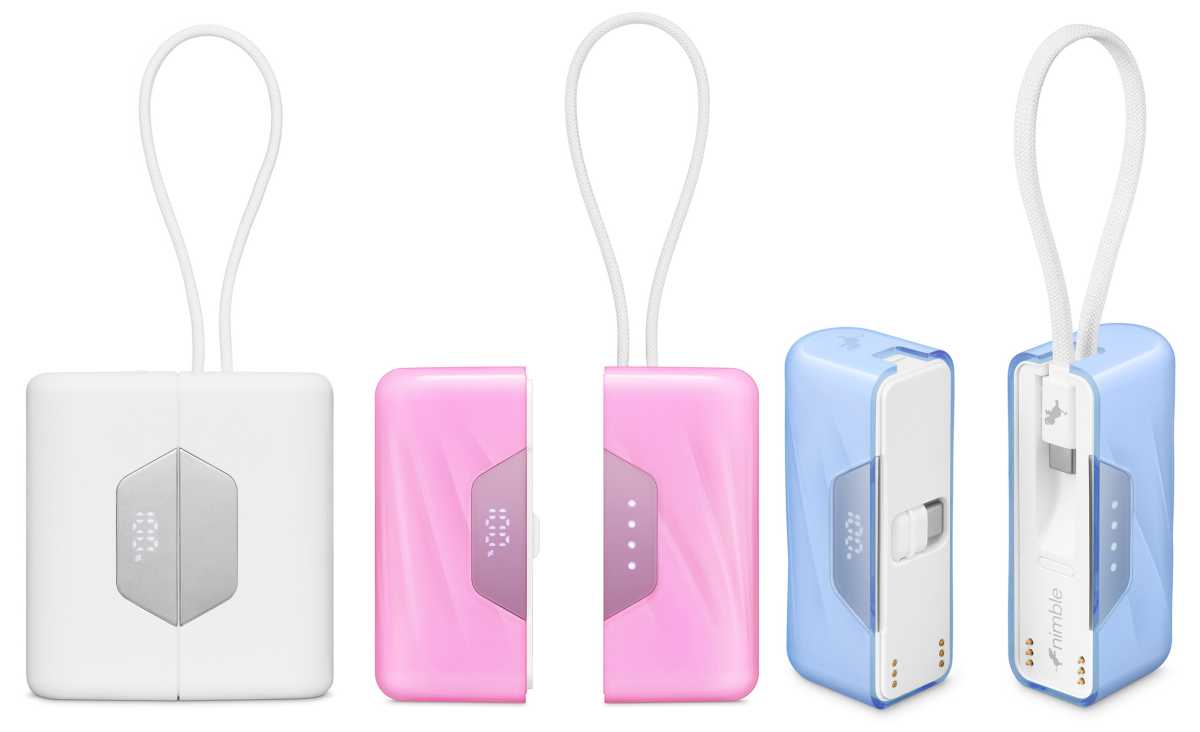
Magnetically together in Stack Mode, divided into two modules, and showing the integrated USB-C connectors inside.
Nimble
The section with the built-in 29.5-inch (75mm) USB-C cable has a standard four-dot battery capacity display, while the other—featuring an integrated flip-up USB-C connector—features a TFT LCD digital display showing the actual percentage remaining.
The cable also works as a handy carry loop.
How much charge does it actually provide?
Many 10K power banks are made up of two 5K cells. Nimble has just separated them more cleanly so they can work independently.
In Macworld’s famous real-world recharging tests we used one of the modules to recharge an iPhone 16 Pro from 0% to 87% before the power bank half section ran dry. That’s not far off the highest 5K score we’ve recorded (90%), from the Ugreen MagFlow Air 5K. As the Ugreen is a wireless charger, some of its power would have been lost due to wireless charging’s inherent inefficiency, and so the SharePower’s test score is maybe as high as it is die to the stronger wired connection (we used the built-in cable).
If both SharePower modules perform the same, that’s a high 175% score combined, which should keep two iPhones charged for at least another day’s use.
Which iPhones does SharePower work with?
The fact that both battery sections have built-in USB-C connectors means it’s good only for iPhones 15 and later. iPhone of an older vintage (14 and earlier) use Apple’s old Lightning connector and so aren’t supported using the two integrated USB-C connectors. Time to buy a new phone or one of the best magnetic wireless power banks. Alternatively you could connect to an older iPhone with a USB-C to Lightning cable—indeed in our tests we had two USB-C iPhones, a USB-C-cabled Apple Watch charger, and a USB-C to Lightning cable for our ageing AirPods case.
Don’t restrict this charger to just your iPhone. It can just as well charge your USB-C iPad, and as mentioned earlier, even a MacBook if you can leave it untouched during charging.
Will it charge faster than wireless?
Wired charging is always faster than wireless as it’s more efficient, with less power wasted in the connection between the charger and the phone’s coils.
You don’t have to divide SharePower into its two halves. You can use it stacked with a possible 35W USB-C PD total output to charge three devices: one via the short integrated USB-C cable, and two more via the side USB-C ports—20W USB-C PD per module when split in Share Mode.
When used as one unit—Stack Mode—it can charge at 35W PD, which is just about enough to keep a MacBook Air or small Pro going, and certainly fine for a MacBook Neo.
Wireless charging has a maximum of 25W, but that’s difficult to maintain due to the heat produced at such an output via wireless. Charger makers introduce fans to cool the devices down to reduce the chance of the phone throttling the power in order to stay safely cool. You don’t get as much chance of that with wired charging so charging speed stays faster for longer.
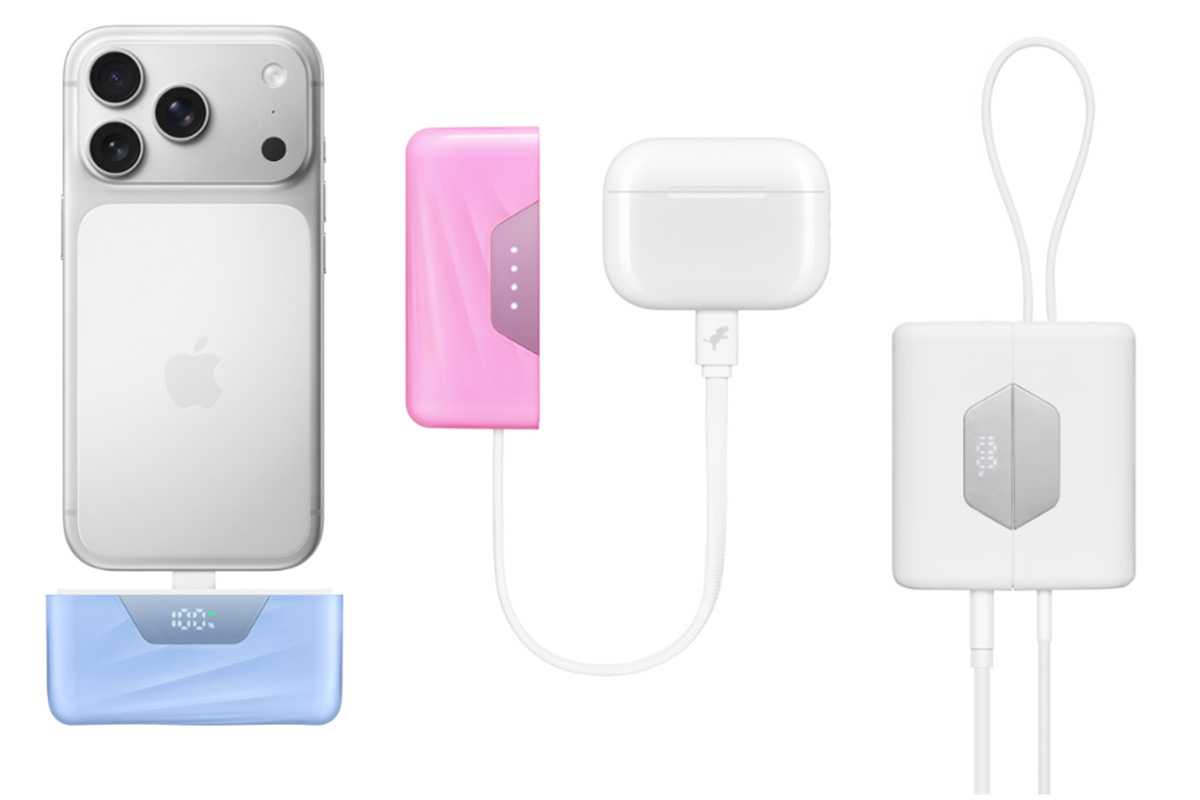
Nimble
How many devices can SharePower charge at the same time?
Each half of the Nimble SharePower has one of the USB-C ports for a second device, so separated you can charge four drives in total.
Section one has the USB-C cable and a USB-C port. Section two has the flip-up USB-C connector and a USB-C port. It’s simple therefore when split to charge two iPhones plus, say, an Apple Watch and your AirPods case at the same time.
In joined Stack Mode, three devices can be charged simultaneously as the foldaway USB-C connector is hidden when the two halves are magnetically joined.
Both halves can be recharged themselves at the same time as they join up with tiny pogo pins.
If you want a magnetic wireless portable charger to share, you could opt for a power bank such as the Kuxiu S3 that boasts a 25W magnetic wireless iPhone charging pad, a built-in USB-C cable, and a spare USB-C port. Its three device-charging prowess is one behind that of the SharePower when split and requires all the charging devices to be attached to the one unit, where the SharePower physically divides into two parts.
Wireless charging is neater than the split SharePower’s wired charging, but when sharing between people Nimble’s approach is much more convenient.
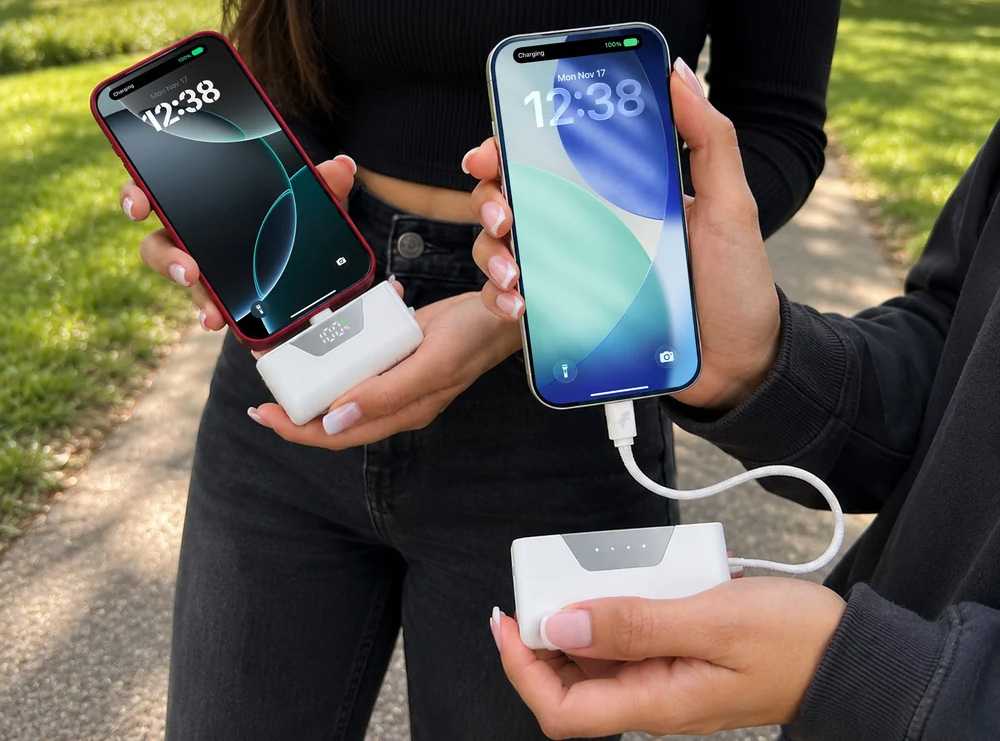
Sharing is caring, but remember to politely ask for the module back before you part ways.
Nimble
Sharing caveat
Of course, you must remember to ask for the shared half to be returned or suddenly the Nimble SharePower becomes the once-shared power. This is where your generosity in the airport Departures lounge might come back to haunt you.
How much does the Nimble SharePower cost?
You can buy the Nimble SharePower at Apple and Apple UK or direct from Nimble. It costs $79.95 or £59.95.
It is available in three colors: white, pink, or blue. If you get excited, buy two of different colors, and mix and match.
Should you buy the Nimble SharePower?
The Nimble SharePower operates as one stacked 10K portable charger or two divided 5K battery packs. It’s a neat idea, well done—letting you share a power bank without being tethered to your desperately unpowered friend by a cable when charging your own iPhone at the same time.
]]> A Foxconn factory – image credit: FoxconnIn late July 2026, Foxconn began its annual recruitment drive to get enough workers to produce the forthcoming iPhone 18 Pro. But according to Reuters, the company has now reported figures for July that already saw it earn $29.6 billion.It’s the highest monthly earnings in the company’s history. Foxconn said that this is a 54.2% rise year over year. Continue Reading on AppleInsider | Discuss on our Forums
]]>
A Foxconn factory – image credit: FoxconnIn late July 2026, Foxconn began its annual recruitment drive to get enough workers to produce the forthcoming iPhone 18 Pro. But according to Reuters, the company has now reported figures for July that already saw it earn $29.6 billion.It’s the highest monthly earnings in the company’s history. Foxconn said that this is a 54.2% rise year over year. Continue Reading on AppleInsider | Discuss on our Forums
]]> Experts warn that authentication cookies have become more valuable to cybercriminals than passwords, allowing attackers to hijack online accounts without logging in. The post Billions of Stolen Browser Cookies Expose Users to Account Hijacking appeared first on TechNewsWorld.
]]>
Experts warn that authentication cookies have become more valuable to cybercriminals than passwords, allowing attackers to hijack online accounts without logging in. The post Billions of Stolen Browser Cookies Expose Users to Account Hijacking appeared first on TechNewsWorld.
]]>
While claims of a $1,399 starting price for the iPhone 18 Pro may be exaggerated, there’s no doubt at all that we are going to see steep price increases for this year’s lineup.
Apple has already prepared the ground for the resulting sticker shock with the new Apple Upgrade program, and now T-Mobile is responding with the launch of a new 3-year payment plan …
]]>
One of the theories voiced about how a former Apple employee may have accessed confidential documents after leaving the company to join OpenAI has been dispelled by a court filing.
It has been suggested that access to the documents may have been inadvertent due to a seemingly messy iCloud arrangement for Apple employees – but the company says this is not the case …
]]>At a glanceExpert’s Rating
Pros
Smallest 25K power bank
High battery capacity
100W max output
USB-C cable handle
Enticing colors
Cons
P64 better for 16-inch MacBook Pro
Our Verdict
We loved the diminutive Iniu P62 that offered a 20K battery in the smallest possible form, and cooed over the 140W/25K P64. Now the 100W/25K P63 looks like the sweet spot between compact size and recharging power both in terms of capacity and output.
Price When Reviewed
This value will show the geolocated pricing text for product undefined
Best Pricing Today
Price When Reviewed
$69.99
Best Prices Today: INIU Cougar P63 25000mAh (100W) Power Bank
Retailer
Price
$66.99
View Deal
Product
Price
What it is: A high-capacity portable charger in a unique compact form.
Who is it best for? MacBook owners with the need to recharge their devices on the move.
Who shouldn’t buy it? 16-inch MacBook Pro owners are better served by the 140W PD P64 power bank.
Even magnetic wireless power banks are starting to look ordinary these days, and—as shiny as pillar-shaped laptop power banks can be—it’s difficult to get too excited about one on looks alone.
Power purists will scoff and tell me off for judging a power bank on anything other than milliamp hours and total wattage output, but as a Mac user I do reserve some aesthetic disposition.
In among the best laptop power banks we’ve tested are a selection from Iniu, which dares to be different and serves up some portable chargers that are as cute as they are powerful.
How the Iniu P63 compares with the P62 and P64
We have already reviewed two of Iniu’s power banks, this review looks at the third in comparison.
P62: Best for MacBook Air owners and anyone who wants the smallest, most affordable laptop power bank. (See our review of the P62)
P63: Best for 13- and 15-inch MacBook Air and 14-inch MacBook Pro owners, and a great choice for 16-inch Pro users who don’t need maximum charging speed.
P64: Best for 16-inch MacBook Pro owners who want full-speed 140W USB-C PD 3.1 fast charging. (See our review of the P64)
The 20000mAh Iniu P62 can be bought in a stunning orange version, while the 25000mAh P64 is available in standout white and red colorways. Iniu clearly doesn’t carry over its unique design skills into its product-naming process.
The only downside to the 20K P62 is its maximum 65W total power output. It has three ports, a removable USB-C cable, and enough power to keep a medium-sized MacBook going all day. In our recharge tests the P62 repowered a 14-inch MacBook Pro from 0% to 87%. The P64 on the other hand can output the full 140W that a 16-inch MacBook Pro requires for Apple-certified fast-charging (PD 3.1). Its 25K battery pack scored 119% in our real-world tests.
There’s a middle-ground Iniu laptop power bank that’s as cute as the P62 and nearly as powerful as the P64. You won’t be surprised to know that Iniu calls it the P63.
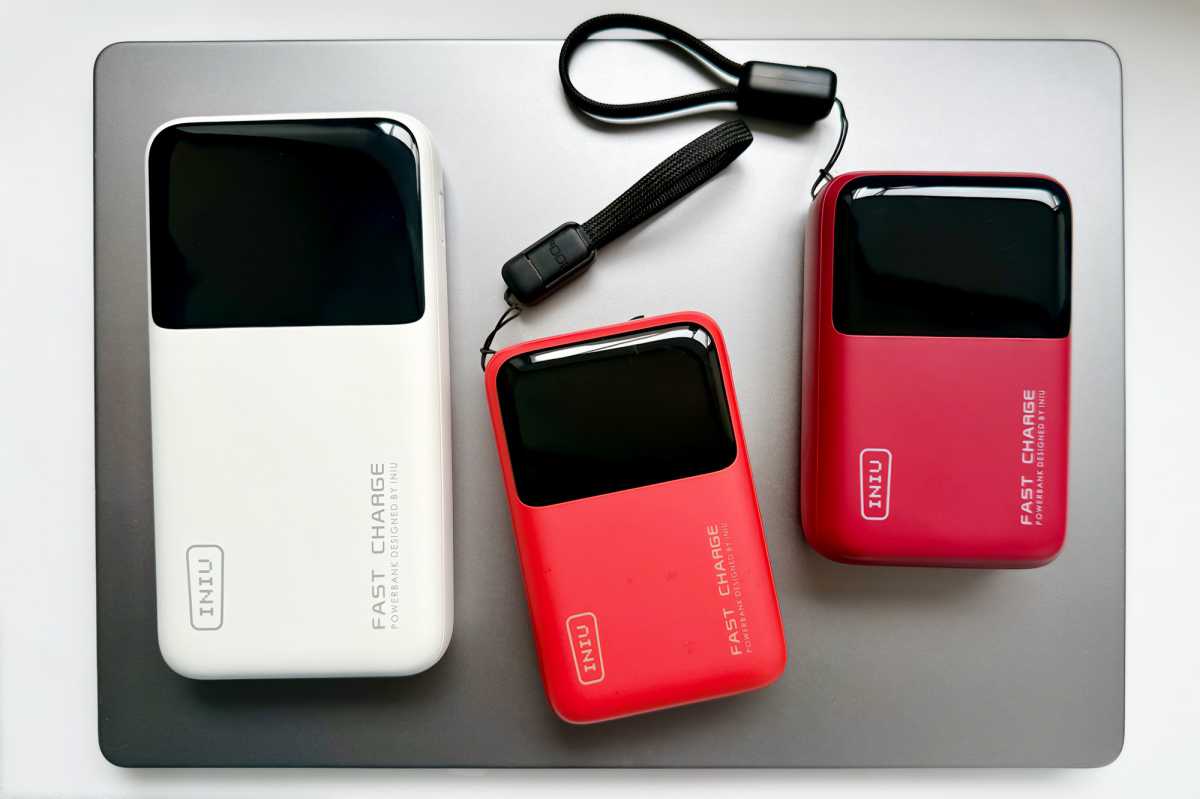
From left to right: Iniu P64, P62, P63,
Simon Jary
Iniu Power bank specs compared
Iniu P62
Battery capacity: 20000mAh (65Wh)
Fastest Power Output: 65W
Total Power Output: 65W
Power Input: 45W
USB ports: 1x USB-C (65W PD 3.0); 1x USB-C (35W); 1x USB-A (18W).
Dimensions: 4.3 x 2.8 x 1.1 inches (110 x 71 x 29mm)
Weight: 11.4oz (324g)
Macworld Test Score: 87%
Iniu P63
Battery capacity: 25000mAh (90Wh)
Fastest Power Output: 100W
Total Power Output: 110W
Power Input: 65W
USB ports: 1x USB-C (100W PD 3.0); 1x USB-C (45W); 1x USB-A (18W).
Dimensions: 4.3 x 2.7 x 1.4 inches (110 x 70 x 36mm)
Weight: 13.8oz (392g)
Macworld Test Score: 109%
Iniu P64
Battery capacity: 25000mAh (92.5Wh)
Fastest Power Output: 140W
Total Power Output: 145W
Power Input: 80W
USB ports: 1x USB-C (140W PD 3.1); 1x USB-C (45W); 1x USB-A (18W).
Dimensions: 6.3 x 3.2 x 1 inches (159 x 81 x 25mm)
Weight: 17.5oz (496g)
Macworld Test Score: 119%
In our real-world testing, the Iniu P63 achieved a Macworld Test Score of 109%, delivering substantially more usable power than the P62’s 87% thanks to its larger 25K battery and higher efficiency. While it doesn’t quite match the P64’s 119% score, it comes surprisingly close despite costing less and being considerably smaller and lighter. In practical terms, that means the P63 offers enough power to comfortably recharge every MacBook model on the go, making it an excellent all-round performer unless you specifically need the P64’s faster 140W charging for a 16-inch MacBook Pro.
The Iniu P62 is the best choice if your priorities are the smallest size and lowest price, making it ideal for lighter MacBook users. The P63 is the sweet spot of the range, combining a larger 25K battery, faster 100W charging and only a modest increase in size, giving it the best balance of portability, capacity and value. The P64 is the premium option, worth paying extra for only if you specifically need 140W USB-C PD 3.1 charging to fast-charge a 16-inch MacBook Pro at its maximum supported speed.
Which power bank has the highest capacity?
25000mAh power banks such as the Iniu P63 and P64 are at the high end of the portable charger capacity scale. Manufacturers are keen to keep the rated watt-hour (Wh) below 100Wh as that is the maximum allowed on board a plane, even in your hand luggage.
Ratings in milliamp hours (mAh) are fine to compare power banks at a glance, but the Wh rating is more important, and accurate. Both the P63 and P64 are labelled 25000mAh power banks but the P64’s 92.5Wh capacity is marginally more than the P63’s 90Wh.
The highest we’ve seen is 99.9Wh from the ReelCharge ReelPro and Sandberg Survivor, both labelled as 27000mAh. Anything with a battery capacity over 100Wh, we have reviewed in our tests of the best portable power stations.
Our real-world tests bear this out. The P64 scored a little higher (8% in relative terms) than the P63 despite both being labelled as 25000mAh.

Simon Jary
Which is the smallest laptop power bank?
You could charge a MacBook using any PD (Power Delivery) power bank, even one meant for an iPhone Air. However, we class a laptop power bank as one of at least 20000mAh.
At 4.3 x 2.8 x 1.1 inches (110 x 71 x 29mm) the Iniu P62 is the smallest laptop power bank we have tested. However, the P63 really isn’t that much bigger despite its 38% larger battery capacity. It measures 4.3 x 2.7 x 1.4 inches (110 x 70 x 36mm), so it’s a little deeper but otherwise the same.
Iniu claims that this size reduction is made possible by use of a high-density TinyCell and innovative HyperStack circuit technology, but every premium power bank manufacturer claims its technology is the smallest and safest. In the case of making a small power bank, Iniu’s claim can be taken at face value.
Which power bank is best for each MacBook?
Starting with the MacBook Neo, its required 20W PD makes it happy to work with any power bank. In its case, even a 10K power bank might suffice for its smaller (36.5Wh) battery capacity but the P62 is ample.
The 13-inch MacBook Air has a battery capacity of around 52WH and the 15-inch Air is 66.5Wh. 14-inch MacBook Pro batteries are around 72Wh and the 16-inch is 99.6Wh—any higher and you might not be permitted to take it with you on a flight.
If you do own a 16-inch MacBook Pro, the P64 is your choice as it boasts the 140W power output that laptop demands to charge the fastest.
While the P63 suits the MacBook Air, 14-inch MacBook Pro owners should look to the P63. That power bank is also fine for the 16-inch if you don’t mind the slower charging speed.
Want to know the exact battery capacity of your laptop? Read our MacBook battery capacities compared list.
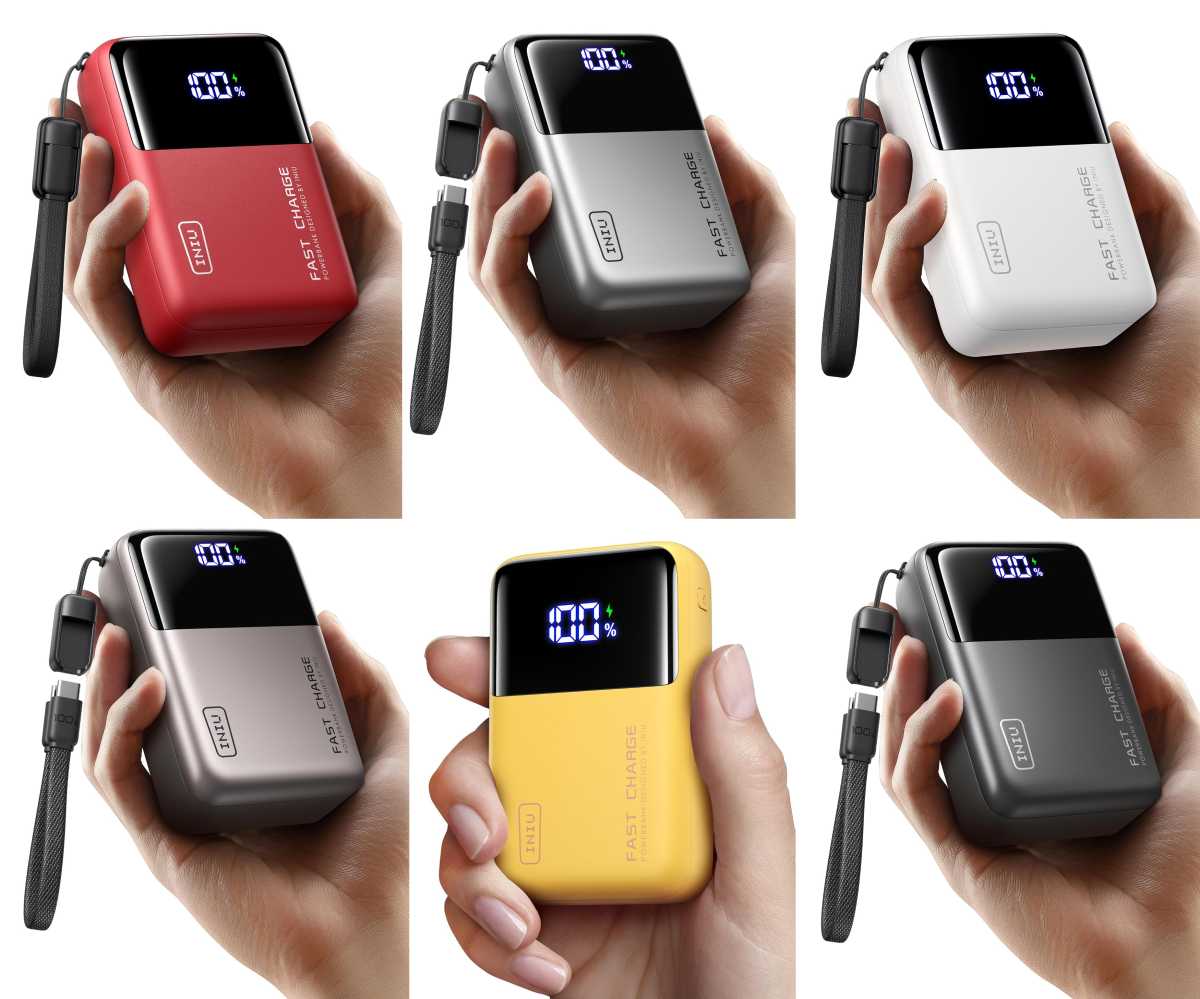
INIU
Scoring high on the cute-o-meter
Iniu’s P-series power banks have a more compact, curvaceous shape than most laptop power banks, eschewing the standard pillar shape.
The company also offers a range of colors to choose from, differing from the regulation gray/silver tone seen everywhere else.
P62: Black, Metallic Silver, Metallic Coffee, Metallic Black
P63: Black, Metallic Silver, Metallic Coffee, Metallic Black, Red and Yellow.
P64: Black, White
We had seen the P62 in blue, red, orange, yellow and white colors, so you might need to buy now if you want the brightest colors. Also check the listings on Amazon, where you might find extra colors.
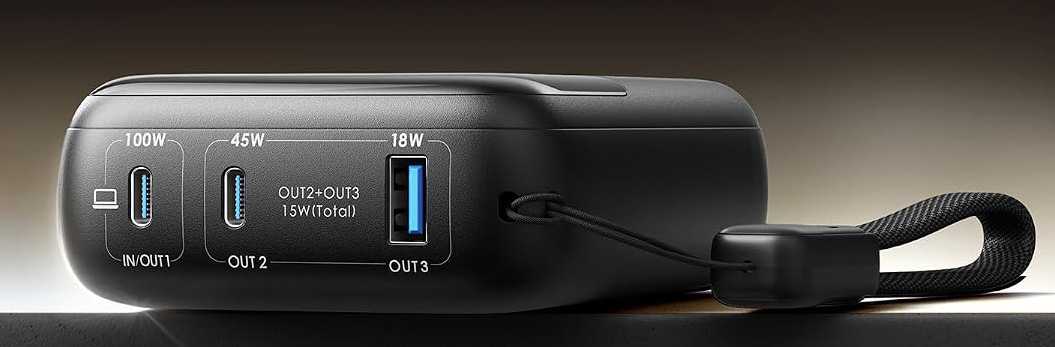
INIU
Which ports are found on the power banks?
If all you want to charge is your MacBook, a USB-C port is what’s required. But most high-capacity power banks offer a set, including extra USB-C and a legacy USB-A port, and some include one or more integrated cables. The Ugreen Nexode Pro Laptop Power Bank (25K) has two built-in cables.
P62: 65W USB-C, 36W USB-C, 18W USB-A
P63: 100W USB-C, 45W USB-C, 18W USB-A
P64: 140W USB-C, 45W USB-C, 18W USB-A
110W output is possible, using the P63’s two USB-C ports together at 65W+45W. But note that, as with most power banks, total power output dips when using more than two ports. In the case of the P63, the first USB-C port can handle 65W while 15W is shared by the other two ports.
Both the smaller power banks ship with a detachable 100W USB-C GoCord Cable, while the P64 comes with a non-attachable 240W USB-C to USB-C cable.
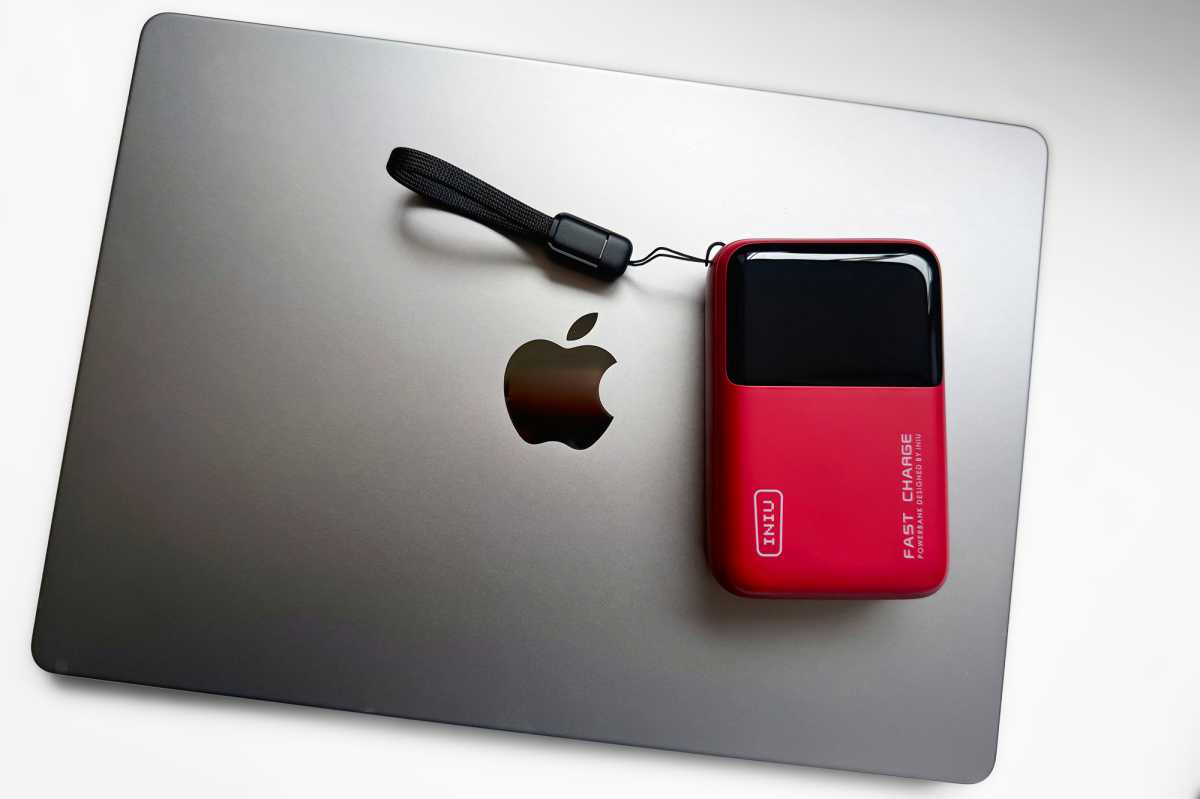
Simon Jary
How much does the Iniu P63 power bank cost?
The mid-range Iniu P63 power bank is priced at $69.99 / £66.99 at Amazon but is sometimes cheaper direct from Iniu. This is an affordable price for such a high-capacity power bank.
In comparison, the P62 costs $50.99 / £58.99, and the P64 $94.99 / £89.99. Check the links as discounts are frequent.
Should you buy the Iniu P63 power bank?
The Iniu P63 hits the sweet spot in the company’s laptop power bank lineup. It packs a generous 25K battery and fast 100W charging into a remarkably compact design that’s only slightly larger than the 20K P62, while costing significantly less than the 140W P64. Unless you own a 16-inch MacBook Pro and need Apple’s fastest charging speeds, the P63 delivers the best balance of size, capacity, performance and value.
]]>iOS 27 is Apple’s most AI-centric release to date, introducing the highly anticipated Siri chatbot and other smart features across the system. One of the notable additions is the AI editor in the built-in Photos app, which features the Reframe, Extend, and Clean Up tools.
To test how effective these AI-powered image manipulators are, I applied them to a wide range of photos I’ve taken with my iPhone 17 Pro Max. Here are some of the great and not-so-great results.
Reframe
In iOS 26, Apple introduced Spatial Scenes, a Photos app feature that detects subjects and adds a 3D effect that reacts to your iPhone’s movements. iOS 27’s new Reframe tool similarly analyzes the scene and allows you to tweak the angle or composition of your shot. Once set, the AI model will regenerate your image with the updated point of view.
To minimize hallucinations, Reframe limits perspective changes to areas it can comprehend, so you may be locked to a specific direction when reframing a certain image. Additionally, by default, you cannot repeatedly reframe an image in the same direction, but I was able to bypass this limitation by saving reframed photos to Files and then saving them again to the Photos app.



Original, unedited photo (first); first attempt to use Reframe (second); another attempt at Reframe (third).
For the first test, I reframed a photo of Beirut’s corniche twice. I was pleasantly surprised by how accurately it changed the handrail’s perspective. It also maintained the rainbow’s arc and correctly generated the rest of the rocky shore. It did, however, incorrectly move the trash cans and streetlights away from the handrail.



Original, unedited photo (first); first attempt to use Reframe (second); another attempt at Reframe (third).
Next, I reframed a photo of an iced latte overlooking the city of Byblos. The first edit was highly realistic, preserving the texture and shape of the ice cubes. The second edit similarly generated parts of the wooden table in a very realistic manner, although the distant background looked clearly artificial.



Original, unedited photo (first); first attempt to use Reframe (second); another attempt at Reframe (third).
The third test was exceptionally disappointing, as the AI model seemingly failed to recognize a regular airplane. The first edit bent the aircraft, while the second incorporated irrelevant components.



Original, unedited photo (first); first attempt to use Reframe (second); another attempt at Reframe (third).
For the fourth test, I reframed a Ferris wheel at sunset, which the AI similarly failed to properly regenerate. The first edit wrecked its circular form and skipped generating new cabins where necessary. The second Reframe surprisingly fixed the circular shape (for the most part) but still didn’t add in the missing gondolas.



Original, unedited photo (first); first attempt to use Reframe (second); another attempt at Reframe (third).
Next, I headed to the mountains and reframed a lavender shrub looking over a village. The first edit was highly realistic and somehow enhanced the photo’s colors and added more clarity to the background. The second edit, on the other hand, completely ruined the shot through obvious AI hallucinations and pattern repetition.



Original, unedited photo (first); first attempt to use Reframe (second); another attempt at Reframe (third).
For the final test, I reframed myself blowing a fluffy dandelion in the middle of nowhere. The first edit failed to maintain the stem’s structure and made me look older. The second edit distorted my face and the dandelion’s stem further, but it did accurately generate the lake’s surface.
While several first edits look believable, I don’t see myself using the Reframe feature, as it doesn’t deliver the actual truth. Still, many users will appreciate the ability to effortlessly change the perspective of their shots.
Extend
Extend is essentially the opposite of cropping, letting you generate nonexistent parts of an image along its edges and expand it accordingly. Like Reframe, Extend restricts multiple image extensions to limit AI hallucinations, but I was similarly able to bypass it.



Original, unedited photo (first); first attempt to use Extend (second); another attempt at Extend (third).
For the first test, I headed to the Port of Tripoli, where I attempted to generate a cropped lifebuoy and the background boats towards the right. Unfortunately, Extend failed to recognize the object and limited my extensions to the image’s left edge, producing underwhelming results with both edits.



Original, unedited photo (first); first attempt to use Extend (second); another attempt at Extend (third).
For the next test, I had very low expectations, as it was a dimly lit photo of my car’s interior. To my surprise, the first extension correctly identified the infotainment system’s display and generated a relevant result. The second edit similarly estimated the car’s borders, accurately generating the left mirror and window.



Original, unedited photo (first); first attempt to use Extend (second); another attempt at Extend (third).
The third test was a tricky, close-up shot of cement boulders. Both extensions correctly detected the objects’ patterns and generated realistic results.



Original, unedited photo (first); first attempt to use Extend (second); another attempt at Extend (third).
Next, I had Extend generate the bottom section of a cropped lighthouse. The AI precisely replicated the colors and pattern, including those of the clouds. The second extension correctly generated a lifelike sea, which I found impressive, but it also hallucinated a second extra-large lighthouse.



Original, unedited photo (first); first attempt to use Extend (second); another attempt at Extend (third).
For the fifth test, I attempted to extend the buildings on Jounieh’s hillside. In both edits, the AI model concealed the view by generating dull buildings on the left and right sides, and it inserted generic cars on its made-up road.



Original, unedited photo (first); first attempt to use Extend (second); another attempt at Extend (third).
Lastly, I extended a dark alley twice, and the feature maintained the original photo’s vibe by generating suitable cars and buildings.
Like most AI features, Extend’s results can be unpredictable. Sometimes It’ll fail to extend a well-lit shot yet somehow manage to get a complex setting right.
Clean Up
Clean Up in Apple Photos first launched with iOS 18, letting you remove unwanted people or objects in images. With iOS 27, Apple is upgrading Clean Up by letting you pick between Fast and High Quality edits. The former mode is comparable to Clean Up on iOS 18 and 26, letting you quickly remove clearly identifiable items. The latter mode analyzes selected items’ surroundings and generates more realistic edits, even in tricky shots. To evaluate Clean Up on iOS 27, I edited each photo using both modes separately.



Original, unedited photo (first); Fast Clean Up (second); High Quality Clean Up (third).
For the first test, I removed people visible on the cobblestone street. The Fast edit clearly looked like a manipulated image, while the High Quality one looked far more realistic.



Original, unedited photo (first); Fast Clean Up (second); High Quality Clean Up (third).
In the second test, I removed the cranes and people at the Port of Beirut. The Fast result similarly looked clearly AI-generated, while the High Quality one looked much cleaner. The difference is particularly obvious when inspecting the gavel’s edges and the Act for Justice text.



Original, unedited photo (first); Fast Clean Up (second); High Quality Clean Up (third).
Next, I decided to Clean Up the buildings blocking my sunset view, minus the old lighthouse. The Fast mode expectedly failed miserably, while the High Quality one generated a usable result. While you could tell the latter edit is AI-generated, its precision is still admirable, given that it had to make up a significant portion of the shot.



Original, unedited photo (first); Fast Clean Up (second); High Quality Clean Up (third).
The fourth test pushed Clean Up to its limits by attempting to remove a wide range of complex objects in front of two kittens. The first edit unsurprisingly did not pass, while the second actually managed to perfect the scene. It correctly generated the kittens’ bodies, along with convincing paws.



Original, unedited photo (first); Fast Clean Up (second); High Quality Clean Up (third).
Clean Up 1.0 infamously failed to generate human faces. To see if the latest iteration of the feature addresses that, I hid my face with a camera and had Clean Up on iOS 27 handle it. The Fast mode behaved as expected, disfiguring my face with a digital whirl. Meanwhile, the High Quality mode successfully generated the covered parts of my face, but the end result looks nothing like me. While a welcome improvement, the AI model should ideally take on-device selfies into account. This would allow it to generate more realistic images of iPhone users.



Original, unedited photo (first); Fast Clean Up (second); High Quality Clean Up (third).
Finally, I used Clean Up to clear my view as I tanned on the sandy beach. The Fast mode struggled to remove a couple of items, and its edits looked too artificial. Conversely, the High Quality mode handled the task professionally.
While the High Quality Clean Up mode consumes significantly more time and power, its results are infinitely more reliable. The Fast mode is fine for basic quick edits, like removing specks and blemishes.
]]>It’s already shaping up to be a huge year for Apple, with a wave of new products arriving in the first half of 2026, including the MacBook Neo and iPhone 17e.
But there’s plenty more to come. Rumors suggest Apple is developing lots of new devices, from refreshed iPhones, iPads, and Macs to smart home products and the long-awaited foldable iPhone.
Alongside new hardware, Apple will introduce the next generation of its software platforms before the end of 2026. At WWDC 2026 in June, the company revealed the software foundation that will power its next generation of devices, including the transformation of Siri into Siri AI, deeper AI integration across apps and services, and enhanced cross-device experiences. These developments are expected to play a key role in shaping Apple’s upcoming products.
In this article, we take a look at the Apple devices most likely to launch next. Drawing on the latest reports, supply-chain leaks, and industry analysis, we examine what’s on the horizon – and what it could mean for Apple users.
What to expect from Apple in 2026
Biggest launches: iPhone Fold, iPhone 18 Pro redesign
Most meaningful upgrades: Under-display Face ID, OLED iPad mini
Big leadership shift: It has been confirmed that John Ternus will replace Tim Cook as CEO in September 2026
Apple’s roadmap for 2026: At a glance
In the fall of 2026, Apple’s roadmap will come under the direction of incoming CEO John Ternus. Current CEO Tim Cook will remain as executive chairman, but the shift from an operations-focused leader to one with deep hardware engineering roots could signal a more product-driven approach – and a renewed emphasis on standout hardware. Ternus will take over as CEO just as Apple is reportedly preparing a major Siri overhaul, alongside potential launches including its first touchscreen MacBook and the iPhone 18 Pro.
ProductExpected releaseKey rumoursShould you wait?iPhone 18 Pro & MaxSeptember 2026No notch, under-display Face IDMaybeiPhone FoldSeptember 2026The first foldable iPhoneMaybeApple Watch Series 12September 2026Blood pressure monitoring unlikely Blood pressure monitoring unlikely iPad miniFall 2026Larger OLED screenYesiPadFall 2026Apple Intelligence supportYesMac miniFall 2026M5 & M5 Pro chip YesMac StudioFall 2026M5 Pro & Max chip YesMacBook Pro with TouchscreenLate 2026-early 2027Touch screenNoApple Smart GlassesPreview in late 2026 possibleHeads-up displayYesiPhone 18Spring 2027To launch with iPhone 18eNo
Every New Apple Product Launched in 2026… so far
Here is what Apple has already announced in 2026:
AirPods Max 2: Improved audio and the H2 chip. Find out more here: AirPods Max 2 guide.
MacBook Neo: Apple’s brand new, low-cost Mac laptop. Find out more here: MacBook Neo guide.
MacBook Air M5: Now with the M5 chip. Read about the 2026 MacBook Air here: MacBook Air M5 guide.
MacBook Pro M5 Pro & M5 Max: A significant upgrades over the M4 series. Read: MacBook Pro M5 Pro & Max guide.
Studio Display: Finally gets Thunderbolt 5 and a better webcam.
Studio Display XDR: With mini-LED technology and ProMotion up to 120Hz.
iPhone 17e: The new, entry-level, iPhone replaces the iPhone 16e. Read more here: iPhone 17e guide.
iPad Air M4: The iPad Air now has an M4 chip. Read more here: iPad Air M4 guide.
AirTag 2: Four years on Apple updated the AirTag, read our review here: AirTag 2nd gen review.
And… RIP Mac Pro: Apple has confirmed that it is discontinuing its tower workstation.
Read on to find out what new products to expect at Apple’s next event and throughout 2026.
Every New Apple Product Launching in 2026
In the sections below we’ve split the upcoming new products into categories including Mac, iPad, iPhone, Apple Watch, Home, AirPods, and some new product categories.
Apple Intelligence, Siri and AI
iOS 27 and macOS 27 Golden Gate, will introduce a massive overhaul to Siri and expanded Apple Intelligence capabilities.
The All-New Siri AI
The most significant update is the transformation of Siri into Siri AI, a conversational assistant powered by Apple Intelligence.
Key Siri AI features coming later in 2026 include:
Onscreen Awareness: Siri will understand and interact with what is displayed on your screen. For example, if a friend texts you an address, you can ask Siri to save it to a contact without leaving the app.
Dedicated Siri App: A new standalone app will allow you to revisit previous conversations, pin important chats, and sync history across all Apple devices via iCloud.
App Actions: Siri will be able to perform tasks within apps using natural language, such as editing a recently sent message or adding a song to a specific playlist.
Visual Intelligence: On iPhone, a new Siri mode in the Camera app will allow users to point their phone at objects to ask questions or perform actions based on what they see. On Mac, users can select onscreen content to ask Siri questions about images or documents.
Voice Customization: Users can personalize Siri with more natural voices and adjust the pace and expressiveness of the speech. This feature requires a M3 Mac with 12GB RAM or newer, or iPhone 17 Pro or iPhone Air and newer.
Apple Intelligence Across Apps
Beyond Siri, Apple Intelligence is being integrated system-wide to automate tasks and enhance productivity. Apple Intelligence will play a larger role across the iPhone, iPad, Mac, smart home devices, and future product categories.
Major updates include:
Safari Productivity: The browser will automatically group tabs into topics, monitor pages for changes (like price drops) with a “Notify Me” feature, and even build custom extensions based on natural-language descriptions.
Smarter Photo Editing: New tools include Spatial Reframing to improve composition after a photo is taken, an Extend tool to fill in missing areas when straightening horizons, and an upgraded Clean Up tool for removing distractions.
Writing Tools and Communication: Mail and Messages will gain smarter replies that mimic a user’s writing style . System-wide Writing Tools will generate text from scratch, rewrite drafts, and adapt tone to match specific contacts.
Image Playground: This tool has been revamped with better language models to create more natural-looking photorealistic images. It also allows users to create custom wallpapers on iOS 27.
Intelligent Automation: The Shortcuts app will feature a “Describe a Shortcut” ability, allowing users to create complex automations simply by explaining what they want in plain English.
What new iPhones are coming in 2026 (and should you wait)?
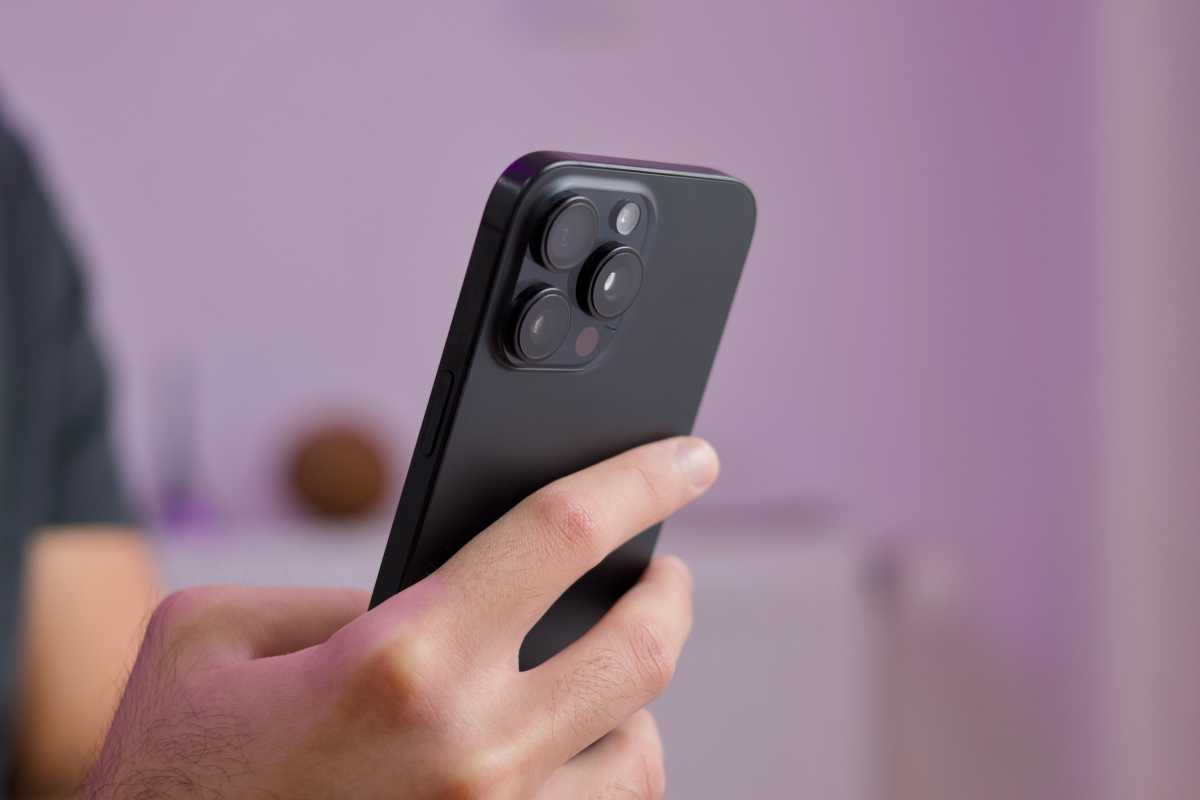
There’s new iPhones coming.
Foundry
Based on current industry analysis and supply chain information, Apple has some significant changes planned for the iPhone in 2026, with an iPhone 18 Pro and Pro Max and the introduction of a foldable iPhone expected alongside the release of iOS 27.
iPhone 18 Pro & Pro Max
September 2026 update expected
The iPhone 18 Pro is expected to launch in September 2026. The iPhone 18 Pro is rumored to be the first to use Apple’s own C1 modem instead of Qualcomm’s. The base model may see a RAM increase to 12GB to better support on-device AI functions. A major redesign is expected, which could include a new Dark Cherry color, under-display Face ID, a completely hidden notch and the front camera could move to the upper-left corner of the display. Read about the iPhone 18 Pro here: iPhone 18 Pro rumors.
Foldable iPhone
September 2026 introduction possible
After years of rumors, Apple’s first foldable phone, potentially named the iPhone Ultra, is projected to debut in September 2026 alongside the iPhone 18 Pro models. It is expected to be a book-style foldable with a 7.8-inch inner display. Read more here: Apple’s folding iPhone rumors.
iPhone 18
Spring 2027 launch expected
Reports suggest that Apple could delay the iPhone 18 and release that handset alongside the iPhone 18e in the spring of 2027.
What new iPads are coming in 2026 (and should you wait)?
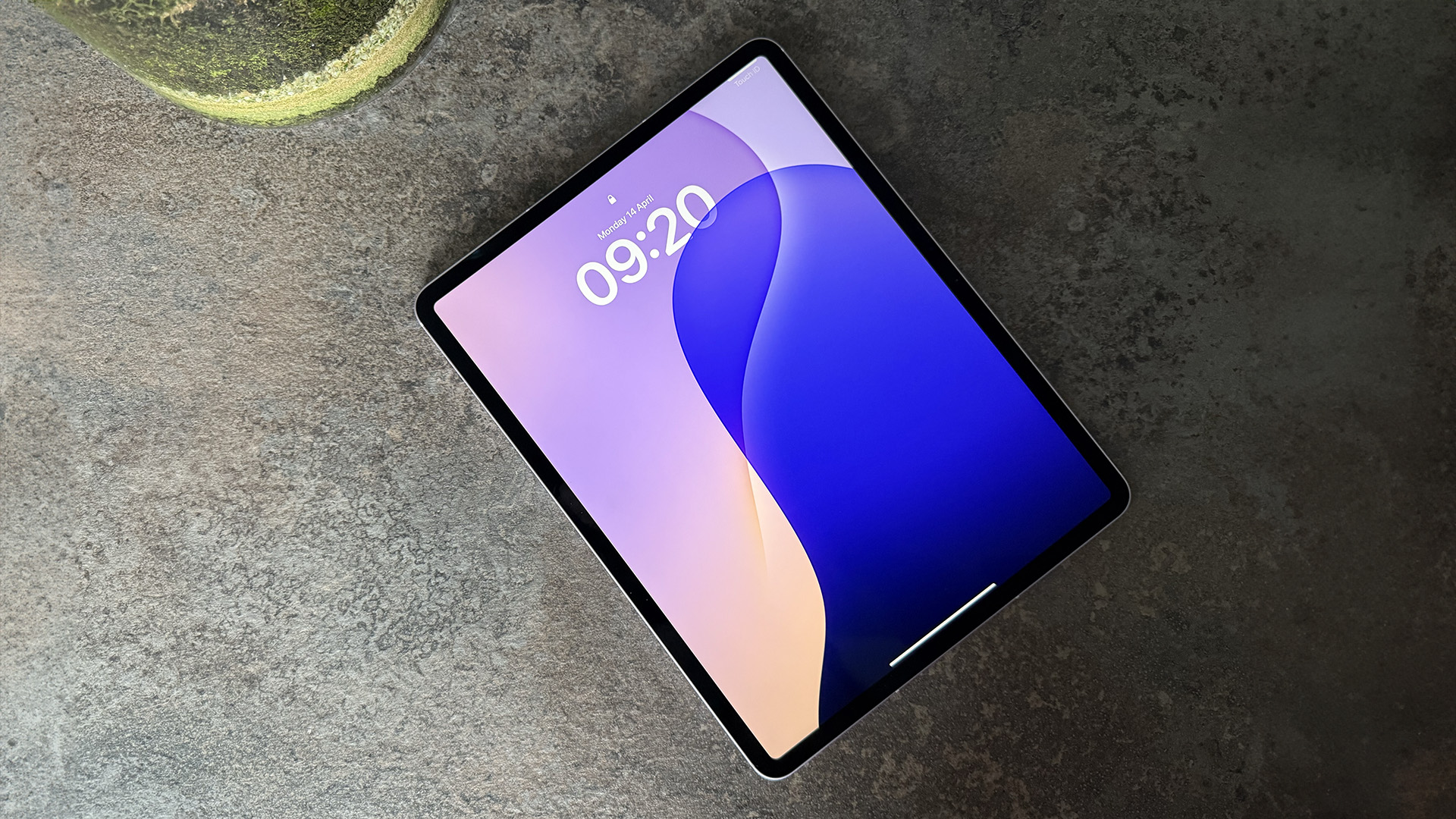
The iPad Air could get a update soon.
Britta O’Boyle
Don’t expect major redesigns for the iPads this year. Instead, Apple is likely to focus on faster chips and other internal upgrades. That said, both the iPad and iPad mini are due for an update – particularly the entry-level iPad, which currently lacks support for Apple Intelligence. Here’s what we expect Apple to announce:
iPad mini
Late 2026 update possible
The current iPad mini (A17 Pro) was released in October 2024, and Apple’s update cycle for this model is generally infrequent. Based on current reports and analysis, the next significant update to the iPad mini is not expected until late 2026, with some speculation pointing toward 2027.
One rumored upgrade for the 2026 iPad mini is the transition to an OLED display, which could reduce manufacturing costs and improve battery life. There is also the possibility of a slightly larger screen, with a move from the current 8.3- to 8.7-inches suggested. There is also speculation that a future foldable Apple device could potentially replace the iPad mini line entirely, though this remains uncertain.
Internal code leaks suggest the future iPad mini could be upgraded to an A19 Pro chip, which would provide a significant performance boost over the current A17 Pro. A A18 Pro chip upgrade is also possible. Read our round up of iPad mini rumors.
iPad
Late 2026 update possible
When the standard iPad was updated in March 11, 2025, the biggest disappointment was that it featured a A16 chip and therefore didn’t support Apple Intelligence. Apple looks set to rectify that in 2026 with an upgrade to the A18 or A19 chip, with the latter offering 50% better performance. The release timeline for an iPad with an A18 or A19 chip is anticipated before the end of 2026, in fact, Apple code suggest the company may be planning an update sooner-rather-than-later.
Read more about the 2026 iPad in our rumor round up.
Which Macs are worth waiting for in 2026?
2026 is expected to be a significant year for the Mac, with Apple’s first touchscreen Mac rumored as part of a MacBook Pro redesign. March 3 saw the launch of the M5 MacBook Air and M5 Pro/M5 Max MacBook Pro and March 4 saw Apple introduce the a new entry-level laptop – the $599 MacBook Neo.
Updates to the Mac Studio and Mac mini are expected in 2026. These Macs have become popular for running AI models locally; however, global RAM shortages – driven by AI companies purchasing large amounts of memory for data centres – are having a knock-on effect on availability. Current models are constrained and, in some cases, unavailable, while the release of new models may also be delayed due to ongoing DRAM supply shortages. The RAM shortages have also had an effect on prices, with Mac prices increasing by $300 to $500 in June. If these Macs are delayed further it is likely to be due to these global supply chain issues.
One Mac that won’t be getting an update is the long-neglected Mac Pro. Apple has confirmed that the Mac Pro will be discontinued in favor of the Mac Studio.
Mac mini
Fall 2026 update expected
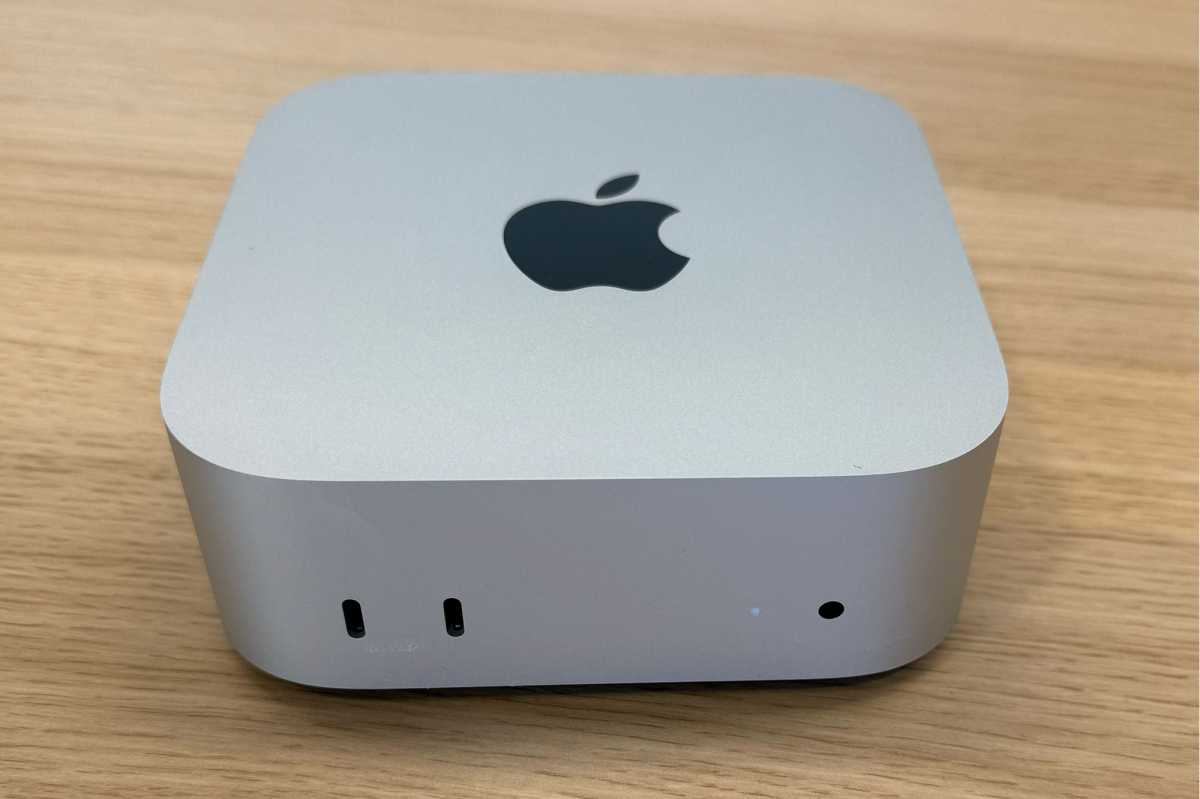
Simon Jary / Foundry
The next Mac mini is expected to feature Apple’s M5 and M5 Pro chips. While the update was originally anticipated earlier in 2026, current reports suggest the launch has been delayed due to ongoing global RAM shortages.
As for new features, expectations include improved AI and graphics performance, faster SSDs, higher base storage configurations, and possible price increases. We don’t expect any major design changes, however. The current Mac mini received a significant redesign in October 2024, shrinking the chassis to just 5 by 5 inches. For more details, see our Mac mini M5 rumors guide.
Mac Studio
Fall 2026 update expected
The current Mac Studio comes in two configurations: one with the M4 Max and one with the M3 Ultra. The M3 Ultra is faster than the M4 Max, but how much more powerful would an M4 Ultra – or even an M5 Ultra – be? Hopefully, we won’t have to wait long to find out.
Apple is expected to release a new Mac Studio with an M5-series chip in 2026. The launch was anticipated for WWDC, but like the Mac mini, the launch may be delayed due to the global RAM shortages. Read more here: M5 Mac Studio rumors.
iMac
Possible 2026 update
The current M4 iMac was released in October 2024, so an M5 update might seems timely and could be released alongside other potential M5 Mac updates.
The current iMac design was introduced in 2021 and is not expected to change soon. It is still considered fresh, and its components are not outdated. However, there are calls for Apple to introduce a larger screened iMac, something that has been missed since Apple discontinued the 27-inch model. Many feel that the 24-inch screen is too small. Read about the larger iMac rumors.
Touchscreen MacBook Pro
Possible late 2026 introduction
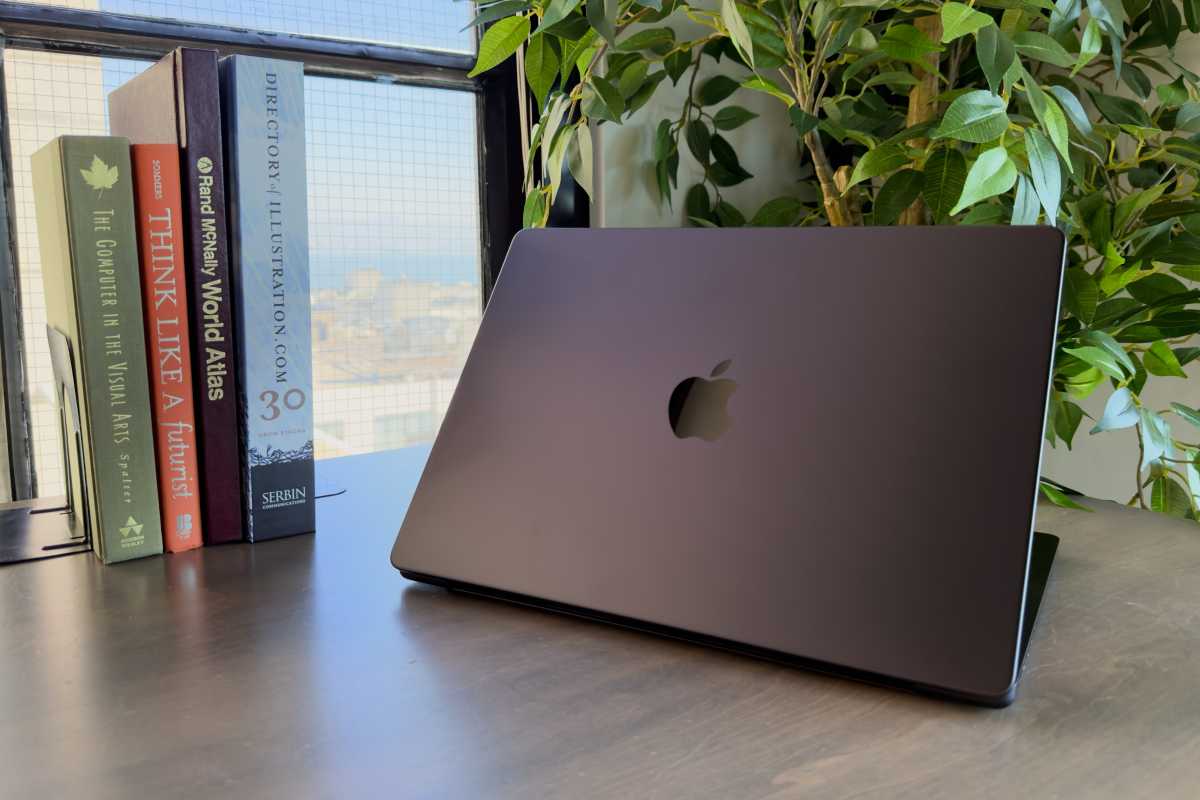
Foundry
There are rumors that the MacBook Pro will get a redesign including notch-free OLED touchscreen, potential 5G connectivity and a thinner body. At one point it was expected that this new MacBook Pro would feature M6 Pro and Max chips, but the latest indications are that Apple will use M5 Pro and M5 Max chips instead in an effort to keep the project on schedule.
Read the rumors about the M6 MacBook Pro with a touch screen.
Upcoming Apple Watches in 2026
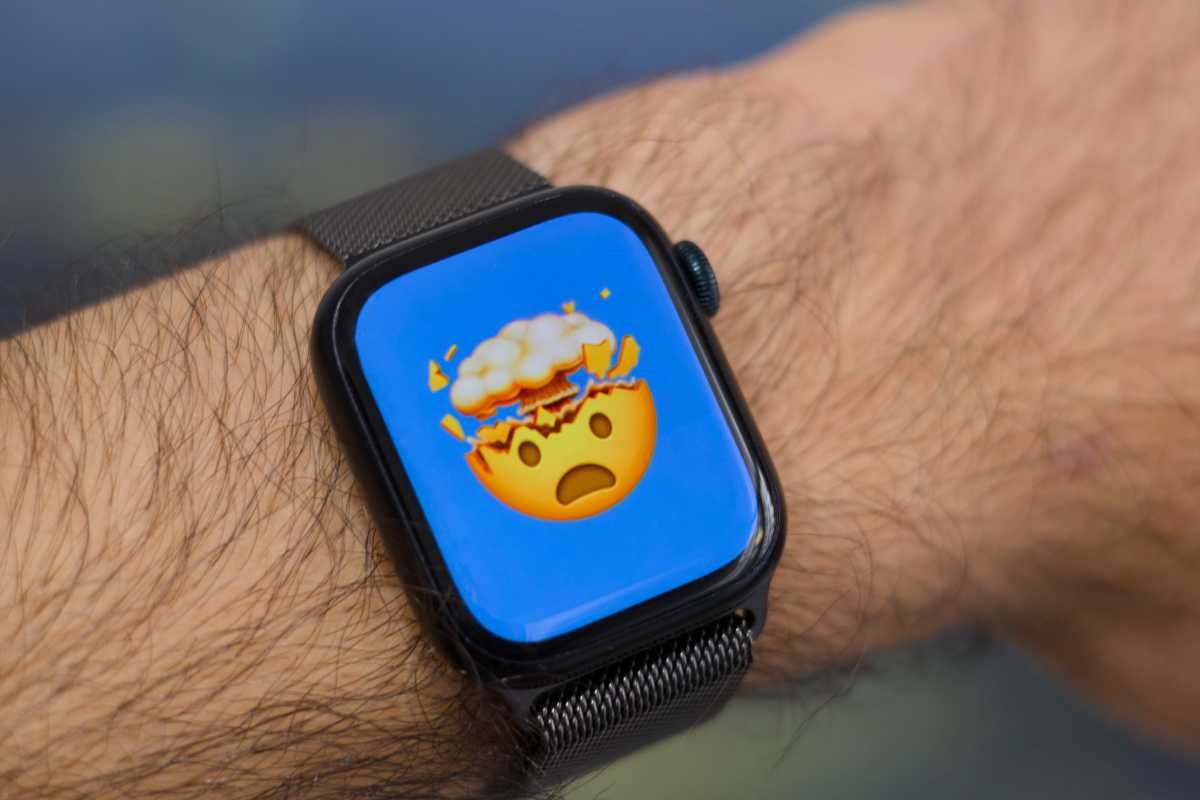
Like clockwork, expect a new Apple Watch in September.
Mahmoud Itani / Foundry
Apple updated all the Apple Watches in September 2025. Launching the Apple Watch Series 11 a new Apple Watch Ultra and a new Apple Watch SE. In 2026 the Apple Watch Series 12 and a new Apple Watch Ultra 4 are expected.
With the Apple Watch rather than hardware changes the real interest tends to be the health and fitness related features. The following capabilities are expected in future iterations:
Non-invasive blood glucose monitoring: This has been a long-rumored feature for the Apple Watch, but it is still considered to be a few years away with the technology unlikely to be ready for a 2026 release.
AI-Powered Health and Fitness Coach: Apple has long been rumored to be working on a sophisticated AI coach. Recent reports from early 2026 suggest this project was “scaled back” to allow individual AI-driven features to ship sooner rather than waiting for a complete overhaul.
Health+ Service Overhaul: There are ongoing rumors regarding a new service tier called “Health+” that would expand upon Fitness+. This service might integrate new AI-powered health features into a single subscription, potentially bundled with hardware purchases.
Daily Readiness and Stress Tracking: Unlike competitors such as the Oura Ring 4 or Garmin, the Apple Watch currently lacks a “daily readiness” score or native stress tracking. Experts suggest these are obvious areas for future software or hardware updates.
Other new features could include Touch ID integration and microLED displays reaching 4,000 nits brightness. A thinner case, magnetic bands, and enhanced AI capabilities could also be on the cards.
If you have an older Apple Watch and are wondering whether to upgrade, this could be a good time as with watchOS 27 the compatibility list is smaller than ever and only the Watch SE 3, Series 9, 10 and 11, Apple Watch Ultra 2 and 3 – and the new models – will be compatible.
Apple Watch Ultra 4
September 2026 update possible
Rumors indicate that the Ultra 4 could have an A12 chip and better battery life. A fingerprint scanner is also rumored, but unlikely. There may be new health sensors coming, but blood pressure monitoring is unlikely beyond hypertension alerts.
Apple Watch Series 12
September 2026 update likely
A chip update to the A12 is likely, but beyond that little is known.
Upcoming Apple Home devices
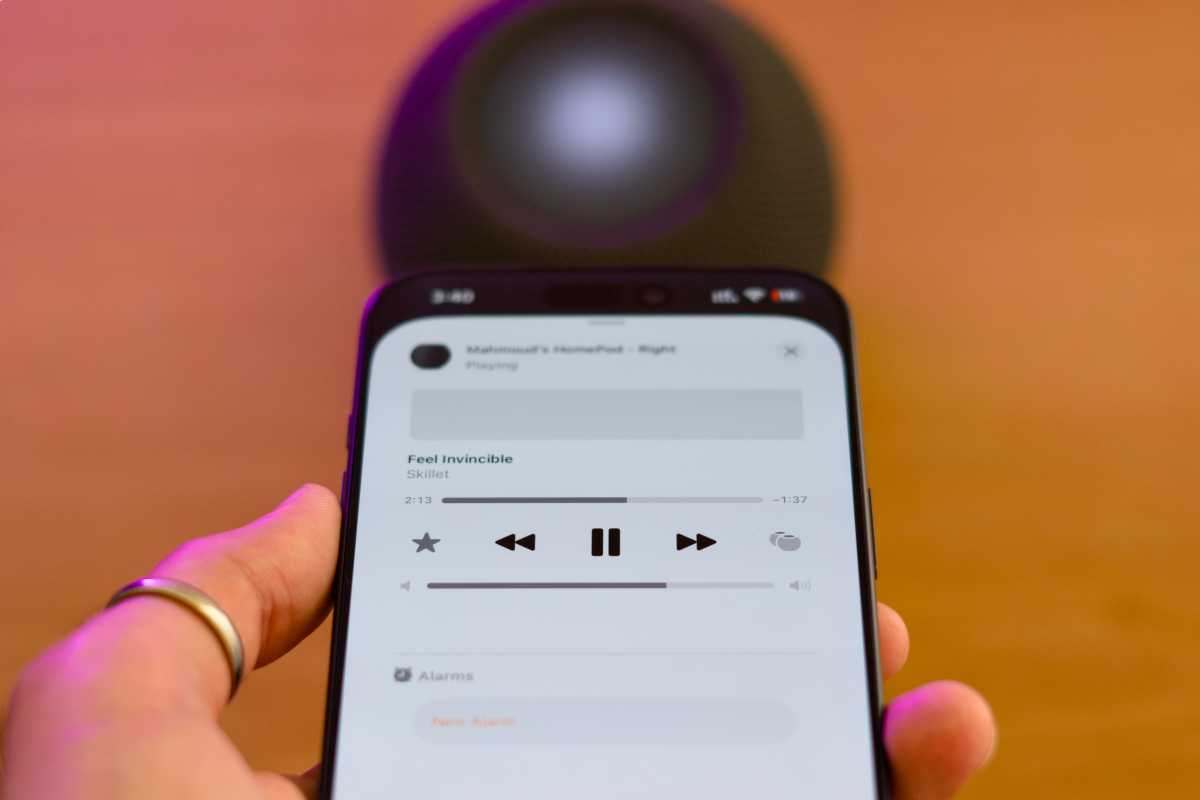
Mahmoud Itani / Foundry
Apple is expected to significantly expand its smart home ecosystem in 2026 and 2027 with new devices beyond its traditional Apple TV and HomePods.
Rumored products include a smart home hub that combines HomePod functionality with a touchscreen, an updated HomePod mini 2 and next-generation Apple TV are also expected.
This strategic push could help Apple catch up with competitors like Amazon and Google in the smart home market.
Apple’s push into the smart home market will be heavily reliant on a significantly improved Siri, which is expected to launch with iOS 27 and macOS 27 in the fall.
New and updated products are said to include:
HomePod mini 2
Fall 2026 introduction
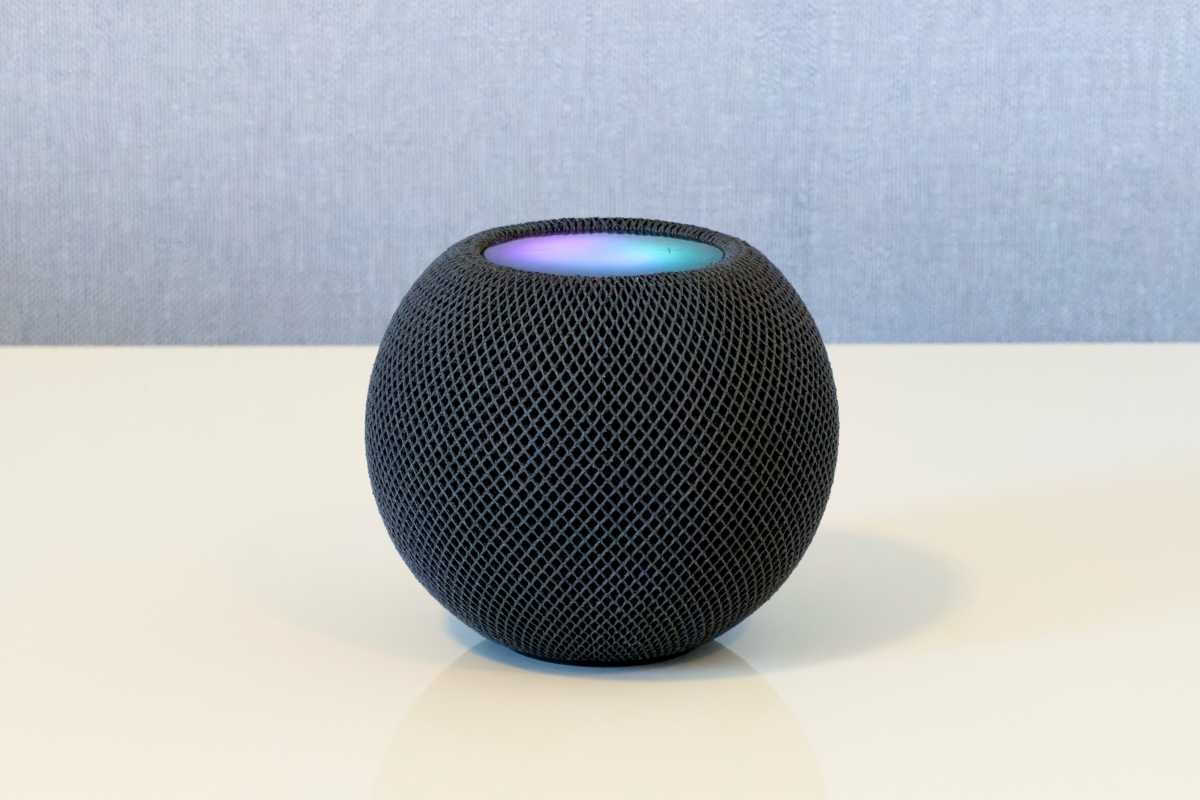
Foundry
A new HomePod mini is said to be on the way with a faster processor that can take advantage of the new Siri AI.
HomePod 3
Fall 2026 introduction
A new HomePod with an updated chip is also expected.
Apple TV
Fall 2026 update
The current Apple TV isn’t compatible with Siri so an update is needed. Apple TV leaks indicate a rumoured Apple TV is on Apple’s roadmap and that the update will bring Apple Intelligence to the set top box.
New Smart Hub
Possible 2026 introduction
Multiple reports have suggested Apple will launch a smart home hub. Apple is said to be working on a number of HomeHub related products including a device said to mount a camera on a robot arm that can follow you around!
New Smart Display
Possible 2026 introduction
Also rumored is an iPad like smart display that allow you to control your home devices via HomeOS software. This may come with both a speaker base and a wall mount.
HomePod Touch
Possible 2026 introduction
A new HomePod smart speaker with a screen is said to be coming. Read more here: New HomePod rumors.
Upcoming Vision devices, AR and spatial computing
Apple Smart Glasses
Possible 2026 introduction, 2027 launch
Unlike the bulky Vision Pro headset, the upcoming smart glasses from Apple are expected to follow a form factor similar to the Ray-Ban Meta glasses. This will be Apple’s first product built specifically for “Visual Intelligence.” It will likely handle tasks such as live translations, music playback, phone calls, and turn-by-turn directions. Apple could provide a first glimpse or “preview” of the glasses by the end of 2026.
Vision Pro
Possible 2027 update
Prior to 2026, Apple’s spatial computing strategy has focused on the high-end market, but reports indicate a more affordable version of the headset is in development. Apple has reportedly paused work on a successor to the high-end Vision Pro and will instead release a cheaper Vision Pro.
What Apple launched in 2025
Here’s a quick look at what Apple released in 2025:
February 2025: iPhone 16E – the replacement for the iPhone SE and iPhone 14 brought Apple Intelligence support to the entry-level iPhone.
March 2025: iPad Air M3 and A16 iPad launched on March 4 and MacBook Air M4 and M4 Max Mac Studio on March 5.
September 2025: Apple introduced four new iPhones: iPhone 17, 17 Pro, 17 Pro Mac, and the iPhone Air. We also saw the new AirPods Pro 3 and three new Apple Watches: the Series 11, Ultra 3 and SE 3.
October 2025: Apple announced a new M5 processor and released the M5 MacBook Pro, M5 iPad Pro, and a update to the Vision Pro, featuring the new chip.
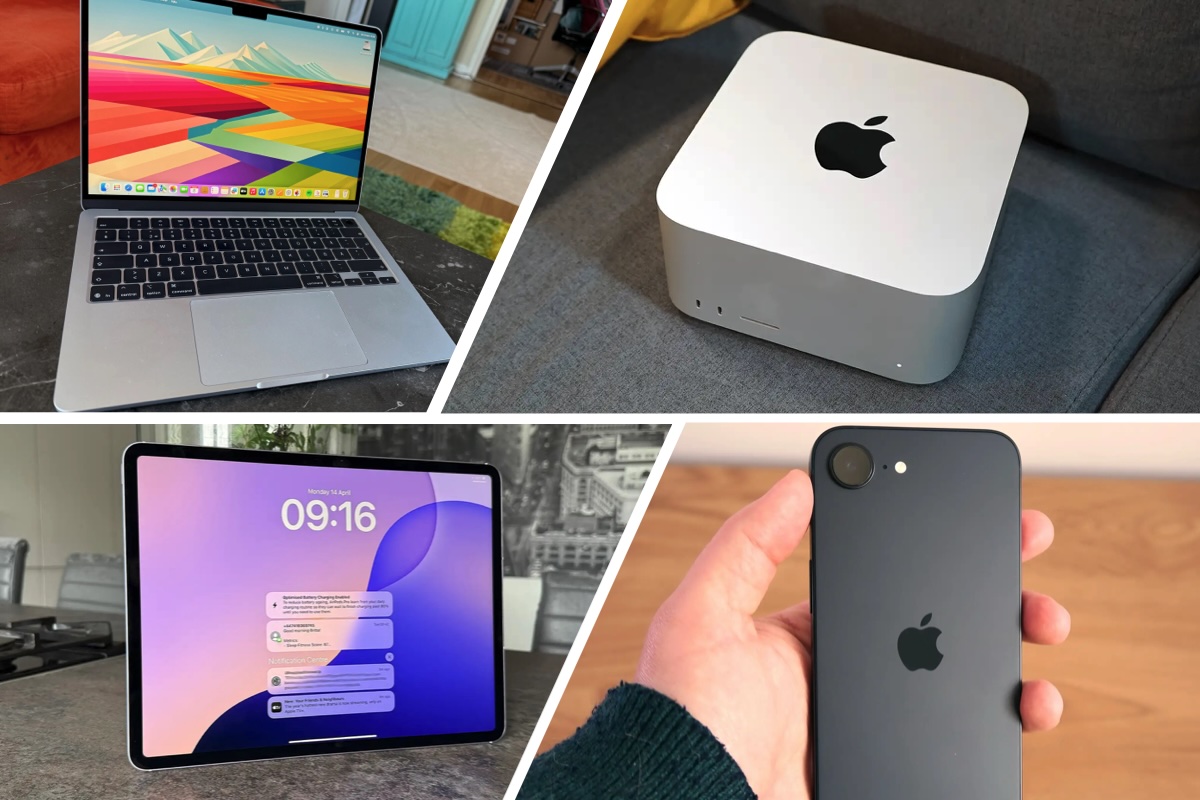
What Apple launched in 2024
Here’s a quick look at what Apple released in 2024:
The Vision Pro headset arrived in the U.S. on February 2.
The M3 MacBook Air launched on March 4.
The M2 iPad Air, the M4 iPad Pro, and the Apple Pencil Pro all launched on May 7.
iPhone 16 and iPhone 16 Plus launched on September 9.
iPhone 16 Pro and iPhone 16 Pro Max launched on September 9.
Apple Watch Series 10 launched on September 9.
AirPods 4 launched on September 9 and new colors (and USB-C) for the AirPods Max were introduced.
iPad mini A17 Pro launched on October 15.
Apple launched the M4 iMac, Mac mini, and MacBook Pro the week of October 28.
What Apple launched in 2023
Apple hit the ground running in 2023 and closed the year with the Vision Pro, although it didn’t arrive until 2024:
M2 Mac mini
Mac mini with M2 Pro
14-inch and 16-inch MacBook Pro with M2 Pro chip
New full size HomePod (bit of a surprise this one!)
A larger 15-inch MacBook Air
A new Mac Pro with the M2 Ultra
A new Mac Studio, also with M2 Ultra and M2 Max.
iPhone 15, Plus, Pro and Pro Max
2023 Apple Watch Series 9 And Ultra 2
M3 iMac
M3, M3 Pro and M3 Max MacBook Pro (14-inch and 16-inch)
And of course, the brand-new Vision Pro headset was unveiled
What Apple launched in 2022
12.9-inch and 11-inch M2 iPad Pro
10.9-inch iPad, 10th generation
iPhone 14 and 14 Plus
iPhone 14 Pro and 14 Pro Max
Apple Watch Ultra
Apple Watch Series 8
Apple Watch SE (2nd generation)
AirPods Pro (2nd generation)
iPhone SE (3rd generation)
iPad Air (5th generation)
Mac Studio (1st generation)
Studio Display
M2 MacBook Air
M2 13in MacBook Pro
What Apple launched in 2021
HomePod mini in new colors
MacBook Pro with M1 Pro and M1 Max
AirPods (3rd generation)
Apple Watch Series 7
iPhone 13-series
iPad mini (6th generation)
iPad (9th generation)
iMac M1
iPad Pro M1(3rd and 5th generation)
Apple TV 4K (2nd generation)
AirTag
What Apple launched in 2020
AirPods Max
MacBook Air M1
13-inch MacBook Pro M1
Mac mini M1
iPhone 12-series
HomePod mini
iPad Air (4th generation)
Apple Watch SE
iPad (8th generation)
Apple Watch Series 6
27-inch iMac (Intel)
13-inch MacBook Pro (Intel)
iPhone SE
MacBook Air (Intel)
iPad Pro (2nd and 4th generation)
For information about what Apple launched in the decade before that read:
Best Apple products of the decade (2010-2019)
]]>TL;DR: Grab a lifetime Microsoft Project Professional 2024 license for $48.99 (reg. $1,129) with code AUG25 through Aug. 9 and simplify planning, scheduling, and resource management.
Every project starts with good intentions. Then the deadlines shift, priorities change, and suddenly you’re trying to manage an entire team’s workload with a spreadsheet that stopped making sense three revisions ago.
There’s no need to stress. Through Aug. 9, you can get a Microsoft Project Professional 2024 lifetime Windows license for just $48.99 (reg. $1,129) with the code AUG25.
Designed for project managers, team leaders, consultants, and anyone juggling multiple moving pieces, Microsoft Project helps you build realistic schedules, assign resources, and keep projects on track from kickoff to completion.
Pre-built templates help you get started quickly, while automatic scheduling adjusts task dates based on dependencies, saving you from constantly updating timelines by hand.
As projects grow, built-in reports like Burndown and Resource Overview make it easier to see what’s working—and what isn’t. You can compare actual progress against your original plan, run “what-if” scenarios before making changes, and visualize task relationships with multiple timeline views.
This is the kind of software that can save hours by making planning a whole lot smarter.
Get Microsoft Project Pro 2024 lifetime license for just $48.99 with code AUG25 through Aug. 9.
Microsoft Project Professional 2024: Lifetime License for WindowsSee Deal
StackSocial prices subject to change.
]]>
Wispr Flow users on Mac can now access Notetaker, an AI-powered meeting assistant that uses calendars, connected apps, and personal dictionaries to provide additional context for transcripts, summaries, and notes. Here are the details.
]]> Get macOS on an iPad via jailbreakThere has been an endless debate surrounding the iPad since Apple debuted the first iPad Pro. It runs iPadOS, a branch of iOS, which is much more locked down compared to macOS.Users that want to use macOS on an iPad can finally give it a try, but it’ll be a limited experience. The GitHub repository for the Virtual Mac on iPad software will provide you all of the information you’ll need. Continue Reading on AppleInsider | Discuss on our Forums
]]>
Get macOS on an iPad via jailbreakThere has been an endless debate surrounding the iPad since Apple debuted the first iPad Pro. It runs iPadOS, a branch of iOS, which is much more locked down compared to macOS.Users that want to use macOS on an iPad can finally give it a try, but it’ll be a limited experience. The GitHub repository for the Virtual Mac on iPad software will provide you all of the information you’ll need. Continue Reading on AppleInsider | Discuss on our Forums
]]>
CarPlay will soon move beyond the road, with Crest and Balise set to bring Apple’s in-car interface to the helm of select pontoon boats. Here are the details.
]]>
The long-awaited return of Ted Lasso is finally here, with the premiere episode of the show’s much-anticipated fourth season now available to Apple TV subscribers.
]]> WebKit browsers can leak data past proxies and iCloud Private RelayWhen users install proxy browsers or Tor, they expect absolute privacy while navigating the web. However, one developer has discovered that three separate data leaks can occur while using WebKit browsers on iOS or macOS.According to the Mysk blog, DNS prefetching, WebAuthn for Passkeys, and WebTransport can all reveal data about the user in spite of proxy use or iCloud Private Relay. Tor browsers, proxy apps, and Safari are affected, but VPNs are not since they’re acting at a system level to encrypt all traffic. Continue Reading on AppleInsider | Discuss on our Forums
]]>
WebKit browsers can leak data past proxies and iCloud Private RelayWhen users install proxy browsers or Tor, they expect absolute privacy while navigating the web. However, one developer has discovered that three separate data leaks can occur while using WebKit browsers on iOS or macOS.According to the Mysk blog, DNS prefetching, WebAuthn for Passkeys, and WebTransport can all reveal data about the user in spite of proxy use or iCloud Private Relay. Tor browsers, proxy apps, and Safari are affected, but VPNs are not since they’re acting at a system level to encrypt all traffic. Continue Reading on AppleInsider | Discuss on our Forums
]]>Apple had claimed that they contacted OpenAI in February and that
we didn’t respond. They now admit that their outside lawyers
emailed the wrong person after confusing two Asian last names — only after we brought this to their attention.
OpenAI is hanging on to the fact that Apple’s outside counsel, Gabriel Gross, sent one email to the wrong address, and quickly emailed an apology. In OpenAI’s phrasing, it sounds like Apple’s attorney sent the entire initial letter of concern to the wrong person, and that’s why OpenAI never responded — because it wasn’t sent to the correct person (OpenAI general counsel Che Chang). That’s not what happened. The initial blockbuster “hey we think you guys are stealing our trade secrets and we want to talk to you about it” letter was sent to Che Chang. And Che Chang never did respond to Apple’s lawyers. That a mistaken email thanking Che Chang for a phone call that never happened (because that email was intended for another OpenAI employee) was also sent is irrelevant. I don’t understand why OpenAI is continuing to focus on this inconsequential mistake. (Apple’s motion for a preliminary injunction includes the full text of the mistaken email and subsequent apology.)
Apple accuses Chang Liu of accessing Apple confidential
information after leaving the company, but only now admits that
Apple employees reached out to him and asked for his help to
locate this information (you can read the messages here).
Apple now tries to shift the blame to “residual access”, but they
also don’t disclose that this is a common issue with Apple which
is caused by them failing to properly manage system access when
people leave. What that means in practice is that former employees
who are trying to do the right thing when they leave still have
access to Apple files — despite not wanting them or even being
aware of them.
OpenAI is seemingly alluding to Apple’s unusual use of iCloud Drive, tied to employees’ personal Apple Account IDs, that I (coincidentally?) wrote about yesterday. Apple’s motion for injunction, however, addresses this very point. From page 3 of the motion:
Mr. Liu resigned on Thursday, January 22, 2026, and provided
notice that he would start at OpenAI the following Tuesday. On his
last day, he failed to respond to Apple’s attempt to schedule his
exit interview or sign his confidentiality reminder.
In the days following his departure, Mr. Liu seemed initially
cooperative and aware of his obligations to Apple. He worked with
others on his former Apple team to return certain Apple
information remaining on his personal iCloud account to
Apple.1 He also continued to converse with former
co-workers, for example, to answer questions about his earlier
work and where certain information was stored. But these
interactions and exchanges cannot explain the repeated,
unauthorized downloading of voluminous technical files from
Apple’s cloud-based storage discussed below, which Mr. Liu
performed on multiple occasions from February to April 2026 while
employed by OpenAI.
That footnote reads:
1 While Apple seeks discovery into what Apple
confidential information Mr. Liu accessed from his personal
storage accounts (including iCloud) and devices after his
departure, the specific unauthorized downloads referenced in the
complaint and at the heart of this motion are not based on iCloud
activity, but instead relate to Apple’s third-party cloud storage.
Nowhere in any of Apple’s filings (here’s the Court Listener index page for all the documents filed in the cast) does it say who the third-party cloud storage provider is, but I’m almost certain it’s Box, which I know is widely used throughout Apple.
The iMessage transcripts that OpenAI provides at the bottom of their post do not contradict Apple’s claims at all. Apple’s motion states that Liu helped former colleagues find certain documents that were in iCloud; that’s what OpenAI’s transcript shows. But that’s not in dispute. Apple also claims that Liu accessed confidential information, presumably in Box and definitely not in iCloud Drive, on five different occasions, up until 27 April 2026, over three months after he left Apple. These chat transcripts offer no explanation for that. The chat transcripts explain iCloud Drive access that Apple itself says is not in dispute, and do not explain the 37 documents Liu downloaded from the third-party cloud provider (Box?) that Apple says are at the heart of naming him in the lawsuit. Here is Apple’s declaration from digital forensic specialist Daniel Roffman, documenting Liu’s access to confidential files post-employment (albeit with significant redactions).
I do not understand why OpenAI is treating this is a PR problem instead of as a legal problem. Dan Moren, linking to it from Six Colors, is of similar mind, writing:
What kept running through my head while reading this was the old
legal chestnut: “If you have the facts on your side, pound the
facts. If you have the law on your side, pound the law. If you
have neither on your side, pound the table.”
Thus far this feels like table-pounding from OpenAI to me. Their blog post does, however, move the ball from “we have no interest” in Apple’s trade secrets to “we don’t have them”, (emphasis added):
Apple also accuses Tang Tan of trying to get and use their trade
secrets. However, Tang has always been clear with the team that
we do not want, and must not use, any confidential information
from other companies. Tang served Apple for more than 24 years
and was widely known as one of the most innovative leaders at the
company. […]
Apple’s request for a preliminary injunction is both based on
false information and completely unnecessary because we do not
have, nor want, any of their trade secrets. We’re much more
interested in building innovative products and technologies that
push the frontier.
Listen to a recap of the top stories of the day from 9to5Mac. 9to5Mac Daily is available on iTunes and Apple’s Podcasts app, Stitcher, TuneIn, Google Play, or through our dedicated RSS feed for Overcast and other podcast players.
Sponsored by Backblaze: Backup you can rely on. Save 20% with code 9to5daily.
]]> Tanya Reynolds and Jason Sudeikis in “Ted Lasso” season four, premiering summer 2026 on Apple TV.
In “Ted Lasso” season four, the series shifts its focus to AFC Richmond’s women’s team — and introduces its most significant new character yet: Alice, the sharp-edged assistant coach played by English actress Tanya Reynolds.
In this Hollywood Reporter interview, Reynolds opens up about landing the role (despite never having seen the show or kicked a soccer ball), her Zoom offer from Jason Sudeikis, and playing a former player turned coach who’s “brittle and spiky on the outside but… quite wobbly” inside as she learns vulnerability and finds her coaching voice.
Lacey Rose for The Hollywood Reporter:
Unlike the women cast as the AFC Richmond players, who had to audition as actors as well as athletes, Reynold’s soccer know-how was far less relevant. Still, she requested a follow-up Zoom with Sudeikis to make sure he was aware of her lack of athleticism. “I got really paranoid because the thought of me playing a coach is quite hilarious to anyone who knows me,” she says. “I was like, ‘Listen, man, you’ve not met me but I’m not this character. I can give it a go, but I’ve never kicked a ball in my life.’ And Jason just was very Ted Lasso about it, like, ‘Well, I think you are.’”
Over time, she got comfortable, but not without some early nerves. “For the returning cast, they know their characters inside out — but for us, we were still figuring out who we were,” she says, though she did get plenty of pep talks from Lasso vets like Temple and Waddingham. And to Reynolds’ delight, as the writers got to know her and her voice better, they started to write to her, which, she jokes, is why the character became less bulldog and more chihuahua over time. Still, none of it was easy.
MacDailyNews Take: As we’ve written before, after season three, we approach season four warily, especially as its subject matter is ripe for treacly preaching if handled ham-handedly by those in charge of Lasso‘s third season train wreck. Here’s the official season four trailer:
See also:
• Will ‘Ted Lasso’ Season 4 be a woke disaster like Season 3? – July 22, 2026
• Some fans of the Apple TV+ series ‘Ted Lasso’ feel it’s being ruined by ‘woke’ writers – May 2, 2023
Please help support MacDailyNews — and enjoy subscriber-only articles, comments, chat, and more — by subscribing to our Substack: macdailynews.substack.com. Thank you!
Support MacDailyNews at no extra cost to you by using this link to shop at Amazon.
The post Apple TV’s ‘Ted Lasso’ get a new face: Coach Alice appeared first on MacDailyNews.
]]>
Following last month’s sunsetting of TV Time, one of the app’s co-founders, Antonio Pinto, announced Bingers, a new TV and movies tracking app that leans more heavily on social features. Here are the details.
]]> AirPods ProApple will be introducing a number of new features for select AirPods models this fall, as part of the iOS 27 and other 27-gen operating system releases. Ahead of that release, it is testing out the features via beta firmware builds.The new firmware, build 9A5336b, replaces the previous build, 9A5314b, which Apple seeded on July 7. It can be downloaded to the AirPods Pro 2 and AirPods Pro 3, AirPods 4, and AirPods Max 2. Continue Reading on AppleInsider | Discuss on our Forums
]]>
AirPods ProApple will be introducing a number of new features for select AirPods models this fall, as part of the iOS 27 and other 27-gen operating system releases. Ahead of that release, it is testing out the features via beta firmware builds.The new firmware, build 9A5336b, replaces the previous build, 9A5314b, which Apple seeded on July 7. It can be downloaded to the AirPods Pro 2 and AirPods Pro 3, AirPods 4, and AirPods Max 2. Continue Reading on AppleInsider | Discuss on our Forums
]]> “Apple Glasses” concept designed by Martin Hajek for iDrop News
Apple is laying groundwork to turn its long-rumored smart glasses into a health and fitness platform, according to a recent job listing highlighted by Bloomberg News’ Mark Gurman.
In his Power On newsletter, Gurman pointed to an opening in Apple’s Vision Products Group for a “strategic product design leader.” The role is tasked with helping “define the future of health, well-being and fitness experiences across vision products.” The successful candidate would “translate ambiguous opportunities at the intersection of spatial computing, wearables, consumer health, and human behavior into clear first-party product direction.”
The posting, which lists locations in Los Angeles and San Jose, also emphasizes experience with “sensor-driven experiences,” digital health or fitness products, personalization, and multimodal interfaces. Cult of Mac noted that the Los Angeles option may reflect proximity to Apple Fitness+ studios in Santa Monica.
This builds on earlier ambitions for the Vision Pro. Gurman reported that Apple had explored an Apple Fitness+ experience on the headset that would let users follow workout classes while body-tracking cameras analyzed form. Those plans were shelved due to technical challenges and the device’s weight, which made it impractical for exercise.
Smart glasses, expected to be a lighter, more everyday alternative similar in concept to Meta’s Ray-Ban AI glasses, offer a better form factor for such features over time. Sensors, cameras, and accelerometers could eventually support workout tracking, form analysis (for activities like weightlifting or yoga), and other biometric insights.
Gurman and other reports indicate these advanced health capabilities are unlikely to debut with the first-generation glasses, currently anticipated around late 2027 (with a possible earlier reveal). Instead, Apple is expected to follow its pattern with the Apple Watch and AirPods: launch the core hardware platform first, then expand health and fitness features across subsequent generations.
The job listing provides one of the clearest public signals yet of Apple’s longer-term vision for its eyewear and other vision products as potential companions to the Watch and AirPods in the company’s health ecosystem. As always with Apple rumors, timelines and final features remain subject to change.
MacDailyNews Take: We feel like we’ve been waiting for Apple’s AR smart glasses for forever!
The Apple Glasses will be the key as holding up slabs of glass as “windows” is suboptimal. When we’re running in a race, for example, we don’t want to have to hold an iPhone or even glance at an Apple Watch, but with a pair of Apple Glasses constantly overlaying time, pace, splits, etc. it’ll be ideal! — MacDailyNews, September 6, 2019
Please help support MacDailyNews — and enjoy subscriber-only articles, comments, chat, and more — by subscribing to our Substack: macdailynews.substack.com. Thank you!
Support MacDailyNews at no extra cost to you by using this link to shop at Amazon.
The post Apple eyes health and fitness features for rumored smart glasses, job listing suggests appeared first on MacDailyNews.
]]> TelegramOn Monday evening, Telegram was removed from the App Store for a number of hours, following a report that CSAM material was posted to it. The following day, the fallout of the event revealed it was a worse situation than first thought.It apparently wasn’t a user, but someone weaponizing Apple’s policies against the app’s users. Continue Reading on AppleInsider | Discuss on our Forums
]]>
TelegramOn Monday evening, Telegram was removed from the App Store for a number of hours, following a report that CSAM material was posted to it. The following day, the fallout of the event revealed it was a worse situation than first thought.It apparently wasn’t a user, but someone weaponizing Apple’s policies against the app’s users. Continue Reading on AppleInsider | Discuss on our Forums
]]>
Pavel Durov, Telegram’s CEO, has elaborated on what led to the app’s brief removal from the App Store last night. Here’s what he said.
]]>As Apple prepares for what is rumored to be one of the biggest iPhone events of all time, it’s turning to retail employees for support. In a memo to U.S. retail stores seen by Bloomberg, Apple announced a lottery system to give workers “the opportunity to participate in the Event Support Experience Program.”
It’s not clear whether this is a new program, but Mark Gurman of Bloomberg notes that Apple has “relied on retail employees to help staff major product launches for years.” However, the report suggests that the lottery is new for 2026, so perhaps previous events were limited to California retail workers. In the memo, Apple says it is “excited” to offer U.S. retail workers this opportunity.
The lottery doesn’t mean this year’s event will be a return to the in-person keynotes that were common before the COVID pandemic. In fact, Gurman reports that they will simply help “help organize lines, check in guests, greet attendees, offer directions and support the security teams,” similar to WWDC in June.
The memo says the event will take place in the first half of September, as is customary for iPhone events. Our best guess for a date is either Wednesday, September 9, or Tuesday, September 15.
Apple is expected to launch several new products at this year’s iPhone event, including the iPhone 18 Pro and 18 Pro Max, Apple Watch Series 12 and Ultra 4, and the brand-new folding iPhone Ultra.
]]>
RevenueCat’s annual Shipaton mobile hackathon is officially back, running August 1-September 30 with major prizes available for winning apps. Here are the details.
]]>
Apple recently raised prices across much of its product lineup, but even more increases are expected next month for iPhone and more.
]]> Apple’s flagship iPhone 17 Pro Max in Cosmic Orange
Apple is already looking ahead to its landmark twentieth anniversary iPhone models, and the latest rumors point to a noticeable jump in screen real estate. According to Chinese leaker Digital Chat Station, the company is currently sampling two new display panels: one measuring around 6.4 inches that could land on the iPhone 20 Pro, and a roughly 7-inch panel destined for the larger iPhone 20 Pro Max.
These size increases would apply across the entire anniversary lineup while keeping the same aspect ratio as today’s models. Even more striking is the design direction. The leaker claims the phones may feature a fully borderless look with curves on all four edges, matching earlier reports of micro-curved OLED panels and “liquid glass” displays that create a nearly edge-to-edge visual effect.
A move to 6.4 inches would represent a modest, but meaningful step up from the 6.3-inch displays on the current iPhone 17 Pro and the expected iPhone 18 Pro. Apple last enlarged its premium iPhone screens with the iPhone 16 Pro series in 2024, when the Pro grew from 6.1 to 6.3 inches and the Pro Max expanded from 6.7 to 6.9 inches.The new display rumors build on a Bloomberg News report from last month indicating that Apple had accelerated work on two distinct sizes for the anniversary devices.
Beyond the bigger, more immersive screens, the twentieth anniversary iPhones are expected to pack an impressive set of upgrades, including under-display Face ID, a custom Apple image sensor, haptic buttons, the A21 chip, higher-bandwidth memory, and a pure silicon battery.
MacDailyNews Take: If these reports hold true, next year’s iPhones could deliver one of the most significant design evolutions in years — pairing larger, more immersive displays with a sleek, almost bezel-free aesthetic that pushes the visual boundaries of Apple’s iconic, world-changing iPhone.
Please help support MacDailyNews — and enjoy subscriber-only articles, comments, chat, and more — by subscribing to our Substack: macdailynews.substack.com. Thank you!
Support MacDailyNews at no extra cost to you by using this link to shop at Amazon.
The post Apple prototyping larger 6.4-inch and 7-inch displays for Twentieth Anniversary iPhones in 2027 appeared first on MacDailyNews.
]]>
Apple has just released new beta firmware for AirPods Pro 3 and more models, with the update expected to launch to all users alongside iOS 27 next month.
]]>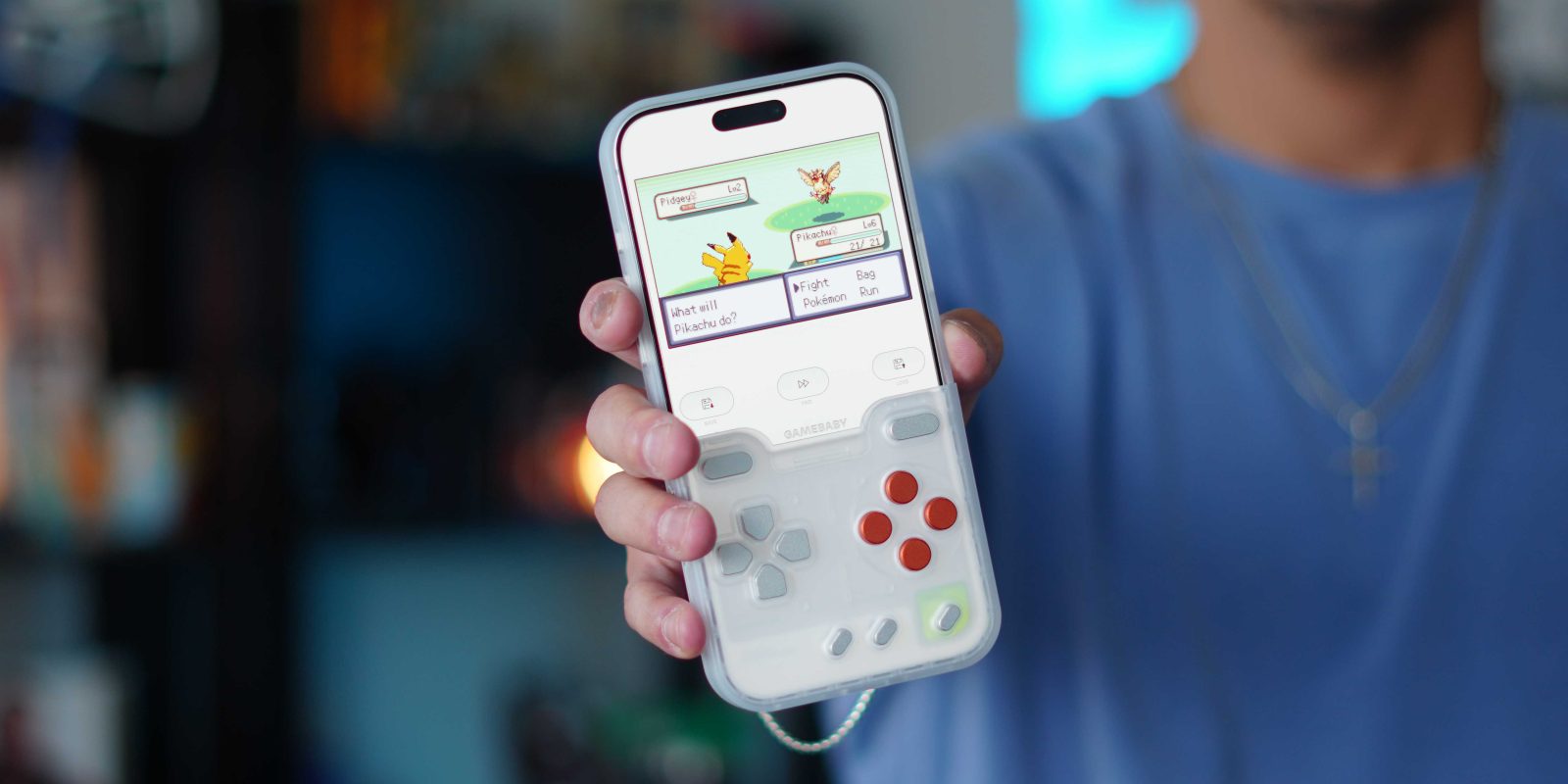
One of my favorite iPhone cases is back with a new look. I have used the previous generations of BitmoLab’s GAMEBABY case and immediately loved it. It felt like an accessory purpose-built to tug at my nostalgia strings. The superpower of this case is that it is not a secondary accessory you need to bring and make sure is charged; it’s a regular iPhone case that is smartly designed to also serve as a set of tactile, physical buttons for playing your favorite Game Boy ROMs (among others). It’s the perfect summation of work smarter, not harder. It uses no batteries or Bluetooth and requires little setup. If you are into any sort of retro game emulation, you have to check this out.
]]>
Apple Watch users in China can participate in the next National Fitness Day challenge this weekend to unlock virtual rewards.
]]>
Juggling multiple devices with Signal? The encrypted messaging service is making it easier to use the app across different iPhones and more.
]]> iPhone 18 concept imageRetail employees have supported major Apple Events for years, so the staffing program itself isn’t new. The memo is notable because Apple gave workers a launch window before publicly announcing the event. Continue Reading on AppleInsider | Discuss on our Forums
]]>
iPhone 18 concept imageRetail employees have supported major Apple Events for years, so the staffing program itself isn’t new. The memo is notable because Apple gave workers a launch window before publicly announcing the event. Continue Reading on AppleInsider | Discuss on our Forums
]]>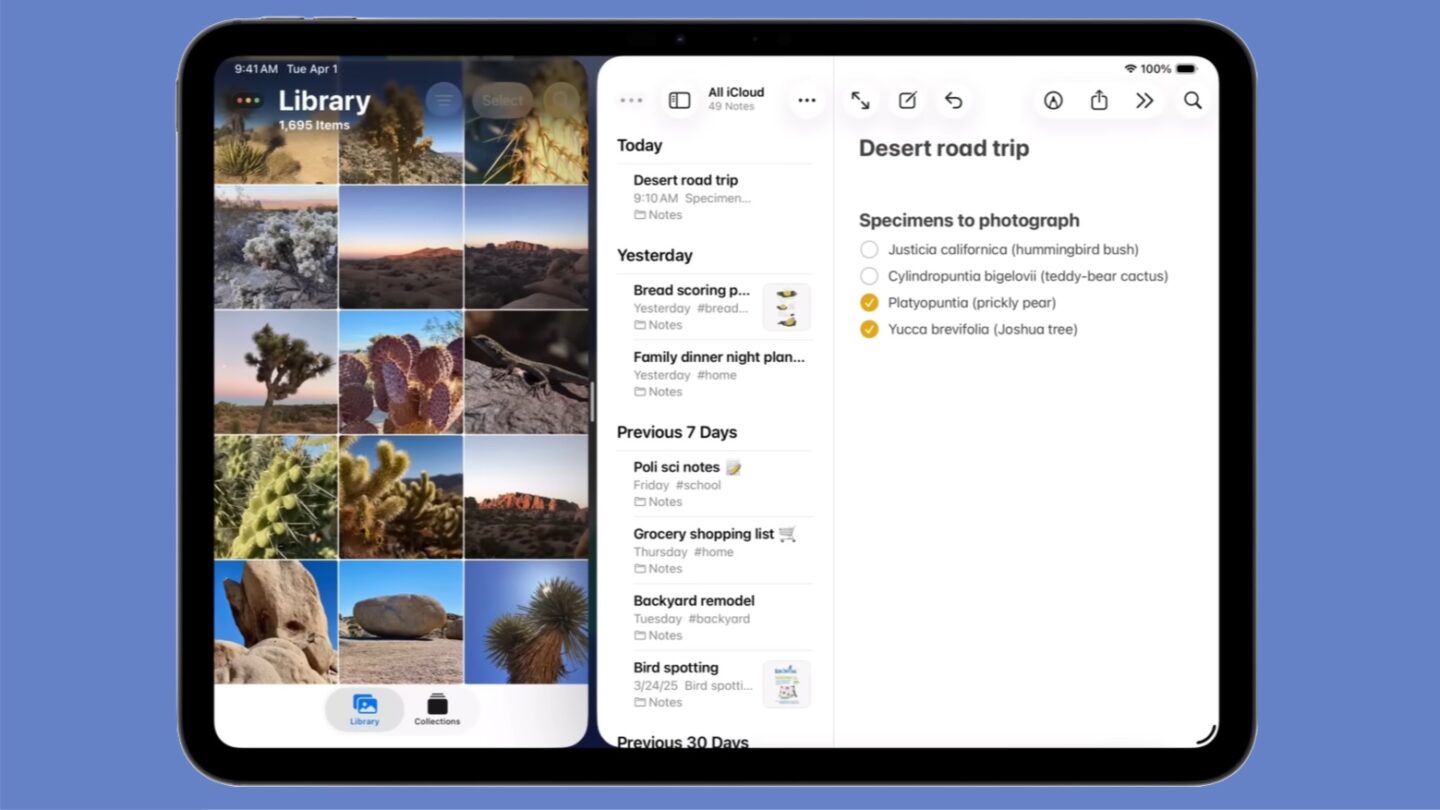
Apple kept Split View side-by-side multitasking in iPadOS 26, despite what you might have read. And setting it up is really easy.
(via Cult of Mac – Your source for the latest Apple news, rumors, analysis, reviews, how-tos and deals.)
]]> Ashley Nicole Black, Dale Dickey, Elle Fanning, Michelle Pfeiffer, Karolina Wydra, Rhea Seehorn, and Jessica Williams attend “THR x Apple TV – Leading The Narrative: Women of Apple TV” at Spago on Aug. 2 in Beverly Hills. (Image: Maya Dehlin/The Hollywood Reporter Via Getty Images)
Apple TV’s Emmy-nominated stars packed Spago for The Hollywood Reporter’s “Women of Apple TV” panel, where Michelle Pfeiffer confessed she never wants to lead a movie again, Elle Fanning celebrated the freedom to play messy and judged characters in Margo’s Got Money Troubles, and Rhea Seehorn pushed back hard on claims her Pluribus survivor is “unlikeable.” Jessica Williams, Dale Dickey, and Karolina Wydra joined the candid chat about complicated women, creative allies, and the pure joy of seeing roles this rich on screen.
Kirsten Chuba for The Hollywood Reporter:
“THR x Apple TV’s Leading the Narrative: The Women of Apple TV” event took over Spago Beverly Hills for a conversation among Margo’s Got Money Troubles stars Michelle Pfeiffer and Elle Fanning, Pluribus‘ Rhea Seehorn and Karolina Wydra, Shrinking actress Jessica Williams and Widow’s Bay scene-stealer Dale Dickey, moderated by Shrinking writer-producer Ashley Nicole Black.
Black kicked off the panel — in front of a room full of influencers and tastemakers — by emphasizing, “I can’t believe all of these performances happened in the same season; I remember being a young woman where you would get one really cool female character per season. To get all of these iconic performances in one is just like, my mind is blown.”
Later in the conversation, Seehorn reacted to the feedback from some viewers that her character in Pluribus, one of only 13 people in the world immune to a virus that transformed the rest of humanity into a peaceful hive mind, is “unlikeable.”
“I disagree; personally I would have taken eight more episodes to get up off the floor so I think she’s kind of doing well, really,” teased Seehorn, who is up for lead actress in a drama series.
MacDailyNews Take: Apple TV is steeped in quality, from writing to acting to directing, in so many interesting and varied series it’s actually the best value in streaming television today.
Please help support MacDailyNews — and enjoy subscriber-only articles, comments, chat, and more — by subscribing to our Substack: macdailynews.substack.com. Thank you!
Support MacDailyNews at no extra cost to you by using this link to shop at Amazon.
The post Apple TV Emmy nominees spill secrets: Michelle Pfeiffer, Elle Fanning, Rhea Seehorn, and more appeared first on MacDailyNews.
]]>
Spotify has crossed 300 million paying subscribers, a major new milestone for the audio subscription service as it competes with Apple Music.
]]> Save up to $500 across Apple’s product lines at Amazon – Image credit: Amazon, AppleSave up to $500 this week at Amazon, with discounts across Apple’s Mac, iPad, and Apple Watch lines. Fresh markdowns include a $60 discount on the current M4 iPad Air and prices as low as $1,847 for MacBook Pros.Save up to $500 on Apple gear Continue Reading on AppleInsider | Discuss on our Forums
]]>
Save up to $500 across Apple’s product lines at Amazon – Image credit: Amazon, AppleSave up to $500 this week at Amazon, with discounts across Apple’s Mac, iPad, and Apple Watch lines. Fresh markdowns include a $60 discount on the current M4 iPad Air and prices as low as $1,847 for MacBook Pros.Save up to $500 on Apple gear Continue Reading on AppleInsider | Discuss on our Forums
]]>
We go hands-on with the Razer Travel Case Folio, a new keyboard case and stand designed for gamers as well as productivity on the go.
(via Cult of Mac – Your source for the latest Apple news, rumors, analysis, reviews, how-tos and deals.)
]]>
We’re just weeks away from the launch of the iPhone 18 Pro and iPhone Fold, and preparations inside Apple are well underway. A new report from Bloomberg says that Apple is opening a lottery for its US retail employees to head to California and help assist at the forthcoming iPhone event in September.
]]>The post The 2026 Leagues Cup Can be Streamed on Apple TV appeared first on iLounge.
]]>The post PlasmaSolve Acquired by Apple appeared first on iLounge.
]]>The post MacBook Air Dealing With Big Shortage Issue appeared first on iLounge.
]]>The post The 14-inch M5 Pro MacBook Pro 24GB/1TB is $239 Off appeared first on iLounge.
]]> Apple Upgrade — a new hardware leasing program — is available on the Apple Store online, in the Apple Store app, and at Apple Store locations in the United States.
Apple’s new Upgrade leasing program lets you pay a low monthly fee for an iPhone, Mac, iPad, or Watch instead of the full price upfront. Max Tech creator Vadim Yuryev ran the numbers on a $2,999 MacBook Pro and claims that leasing, buying out the residual, and reselling can leave you hundreds ahead of purchasing outright — with zero interest. Here’s how the math works (and the caveats that still apply).
Chance Townsend for Mashable:
In a post on X in response to Bloomberg’s Apple expert Mark Gurman, Yuryev walked through the math, using a $2,999 MacBook Pro as an example.
Explained this in today’s YouTube video. If you lease a $2,999 Mac, you pay $58 a month for 36 months. At the end, you owe $911 to pay it off or return it.
However, Apple gives you 6 more months to decide. Meanwhile, you continue paying monthly payments of $53.
You now have 6… https://t.co/ZFm37Bnc5t pic.twitter.com/hH45E2rWvg
— Vadim Yuryev (@VadimYuryev) August 2, 2026
He said a 36-month lease would run $58 per month, leaving a $911 balance due at the end — though Apple gives lessees six additional months to decide, during which payments drop to $53 per month. Yuryev argued that paying off that final balance makes sense because the device could then be resold for “$1,500+ on eBay or Facebook marketplace,” rather than the customer simply losing the amount paid in over the life of the lease.
Yuryev emphasized that “you never pay more” than the device’s MSRP, since Apple Upgrade carries no interest or lease fees. He added that the primary risk is failing to keep up with payments or falling short on the final balance, and noted that once a device is paid off, users can start a new lease while keeping the original one.
MacDailyNews Take: While, as AAPL shareholders, we wish Apple every success with their Apple Upgrade program via Klarna, in an age of zero-interest financing, “buy now, pay later,” and glossy leasing schemes dressed up as smart upgrades, a simple truth keeps getting buried (caution, soap box sermon ahead):
The surest way to build lasting wealth is to avoid debt entirely, buy only what you can afford outright, and live within your means.
Leasing expensive hardware, stretching payments over years, may feel painless month to month. It is still debt. You are paying for the privilege of using something you do not fully own, often while assuming residual balances, credit checks, and the risk that the used-market value collapses when everyone else is dumping the same leased devices. The math can be made to look attractive on a YouTube whiteboard. Reality is less forgiving.
Paying cash for what you can actually afford forces discipline. It prioritizes value over status. It eliminates interest, fees, and the quiet stress of monthly obligations. When the device eventually ages, you own it free and clear — you can sell it, keep it, or pass it on without a lender’s permission. That freedom compounds.
Financial success is not about maximizing monthly cash flow or chasing the newest model every two years. It’s not about keeping up with The Joneses. It is about keeping more of what you earn, avoiding the traps that turn consumers into lifelong renters, and building genuine ownership over time.
Debt is easy. Discipline is harder. The latter is the only reliable route to real financial independence.
Please help support MacDailyNews — and enjoy subscriber-only articles, comments, chat, and more — by subscribing to our Substack: macdailynews.substack.com. Thank you!
Support MacDailyNews at no extra cost to you by using this link to shop at Amazon.
[Thanks to MacDailyNews Reader “Fred Mertz” for the heads up.]
The post Apple Upgrade: Paying monthly for a MacBook Pro might actually save you hundreds of dollars appeared first on MacDailyNews.
]]>The post AirPods With Cameras Is Closer than We Think appeared first on iLounge.
]]>The post Upcoming Apple Smart Glasses May Have Health Features appeared first on iLounge.
]]>The post The Philippines Now Has Apple Pay appeared first on iLounge.
]]>The post The Apple Watch Series 11 42mm GPS is $99 Off appeared first on iLounge.
]]>The post Upcoming iPhone 18 Pro Predicted To Be More Pricey appeared first on iLounge.
]]>The post New iPad Air Could Arrive as Early as 2027 appeared first on iLounge.
]]>